- Magnesium, B6, and tryptophan support melatonin and serotonin production, directly improving sleep onset and quality, as shown in biochemical studies¹.
- Ashwagandha extract improved sleep efficiency by over 10%, reduced sleep latency, and eased anxiety in a 10-week clinical trial².
- Melatonin supplementation improves sleep quality by regulating circadian rhythm, especially in those with sleep disorders or chronic conditions, according to clinical evidence³.
Chapter 1
Power of Mindfulness
Nurturing Well-Being With Mindfulness and Stress Reduction Techniques
The need for effective stress reduction techniques has never been more in demand than in this fast moving era. The competitiveness and the never-ending demands of the modern world can take a toll on our physical and mental well-being; it drains us out.
Mindfulness offers a getaway pass with stress reduction techniques where you can calm your inner self, balance life, and be resilient when faced with challenges or difficult situations.
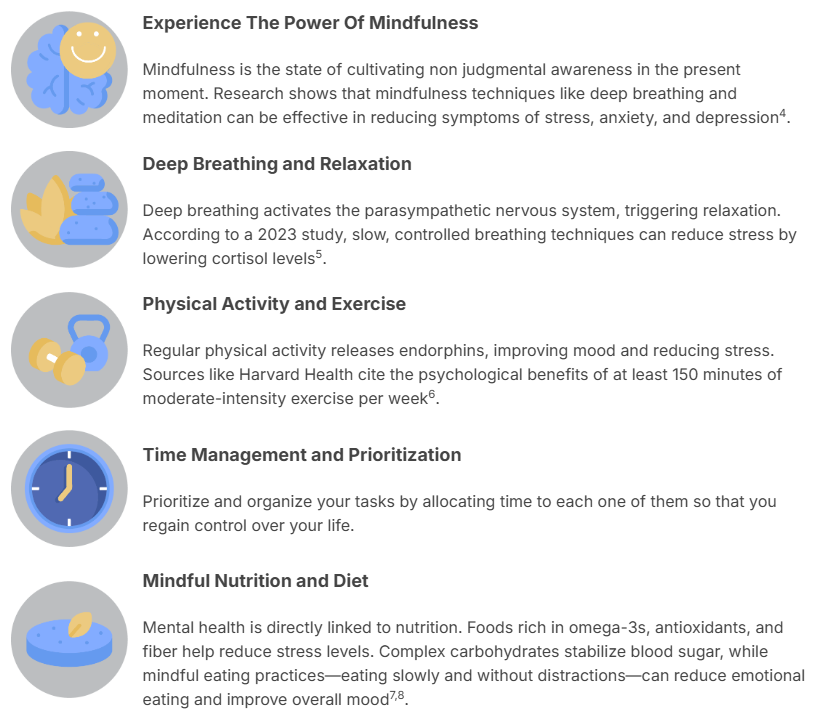
How to Practice Mindfulness
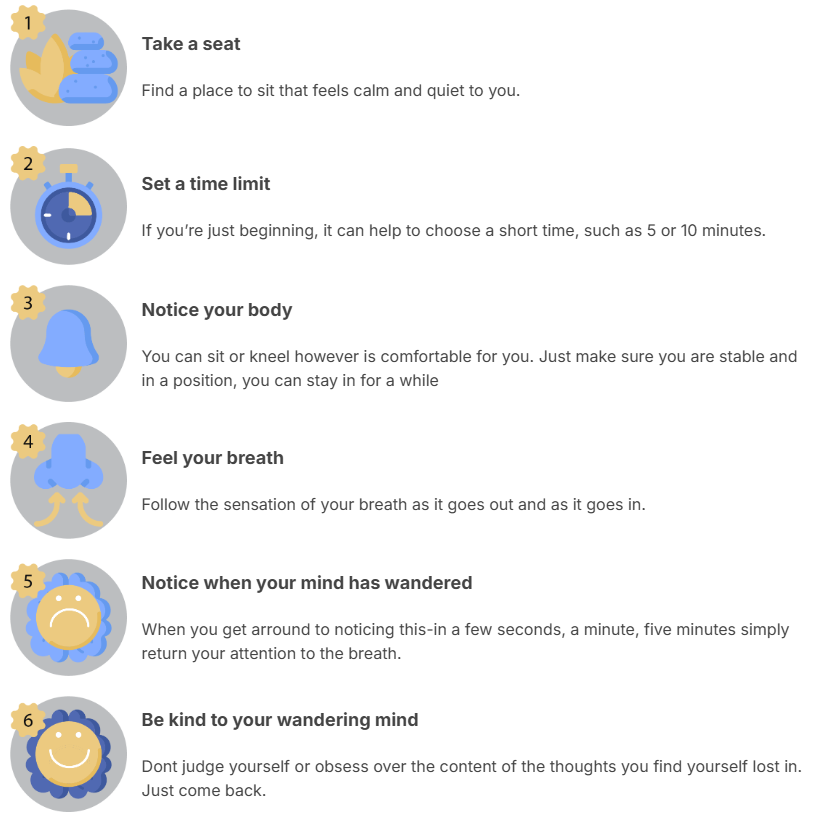
Source: mindful.org
Managing Stress for Better Sleep | A Path to Serenity
Chronic stress significantly disrupts sleep quality by increasing cortisol levels, making it harder to fall and stay asleep⁹.
According to the American Psychological Association, more than 40% of adults report lying awake at night due to stress. This creates a self-reinforcing cycle: stress impairs sleep, and poor sleep increases stress levels the next day. However, there are effective strategies that can help manage the stress in life and improve the quality of your sleep¹⁰.
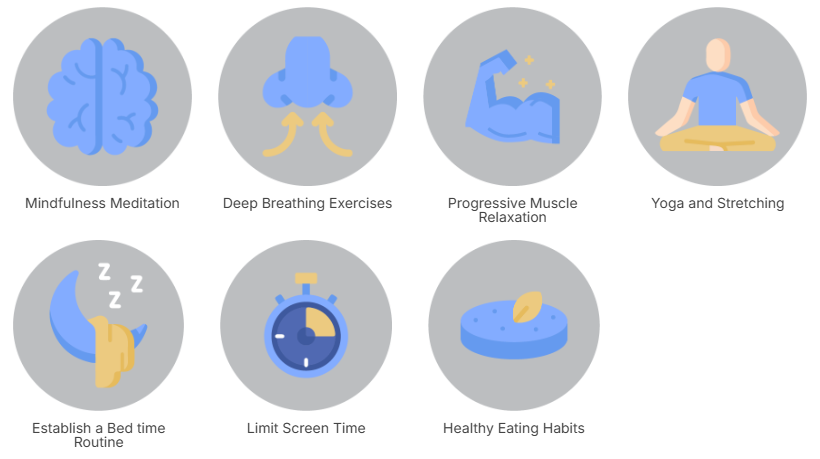
Incorporating stress management techniques into your daily routine can quickly improve your sleep quality. It would be best to remember that stress management is a journey, and it may take time to see what suits you best, so be patient.
To top it all, a peaceful, stress-free mind is the basis for a good, restorative night's sleep. Once you develop these habits, you will feel that stress takes less of you, and your sleep rejuvenates.
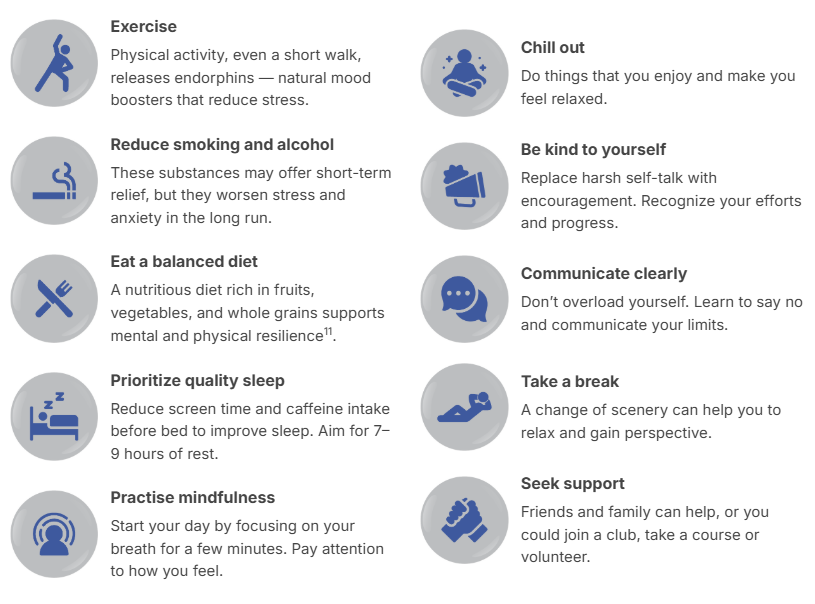
10 tips for managing stress
Stress can affect us all-whether its an event that's affected us or we're feeling under too much pressure. These tips can help.
Chapter 2
2 Nutrition and Sleep
The Vital Connection Between Nutrition and Sleep
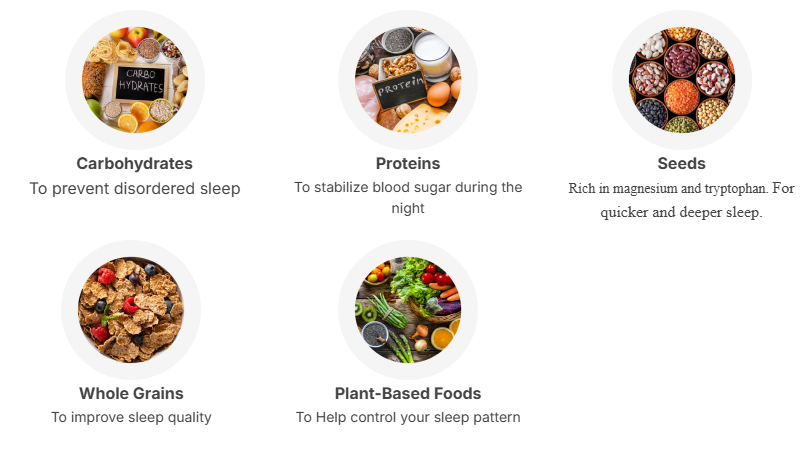
Nutrition and sleep are closely interconnected. What you eat directly affects the quality and duration of your sleep. Certain nutrients play a critical role in producing hormones and neurotransmitters involved in the sleep-wake cycle¹².
So, you go through the list to make informed dietary decisions promoting restful sleep.
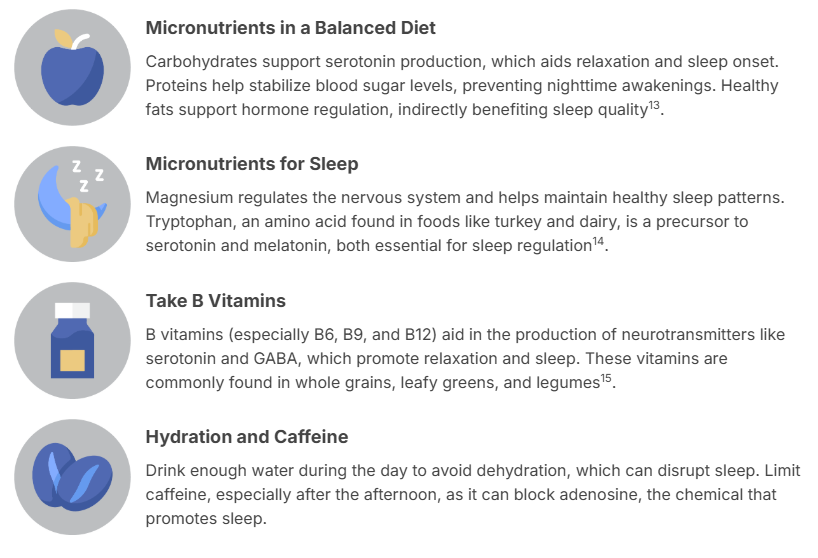
The Healthy Plate That Supports Rejuvenating Sleep
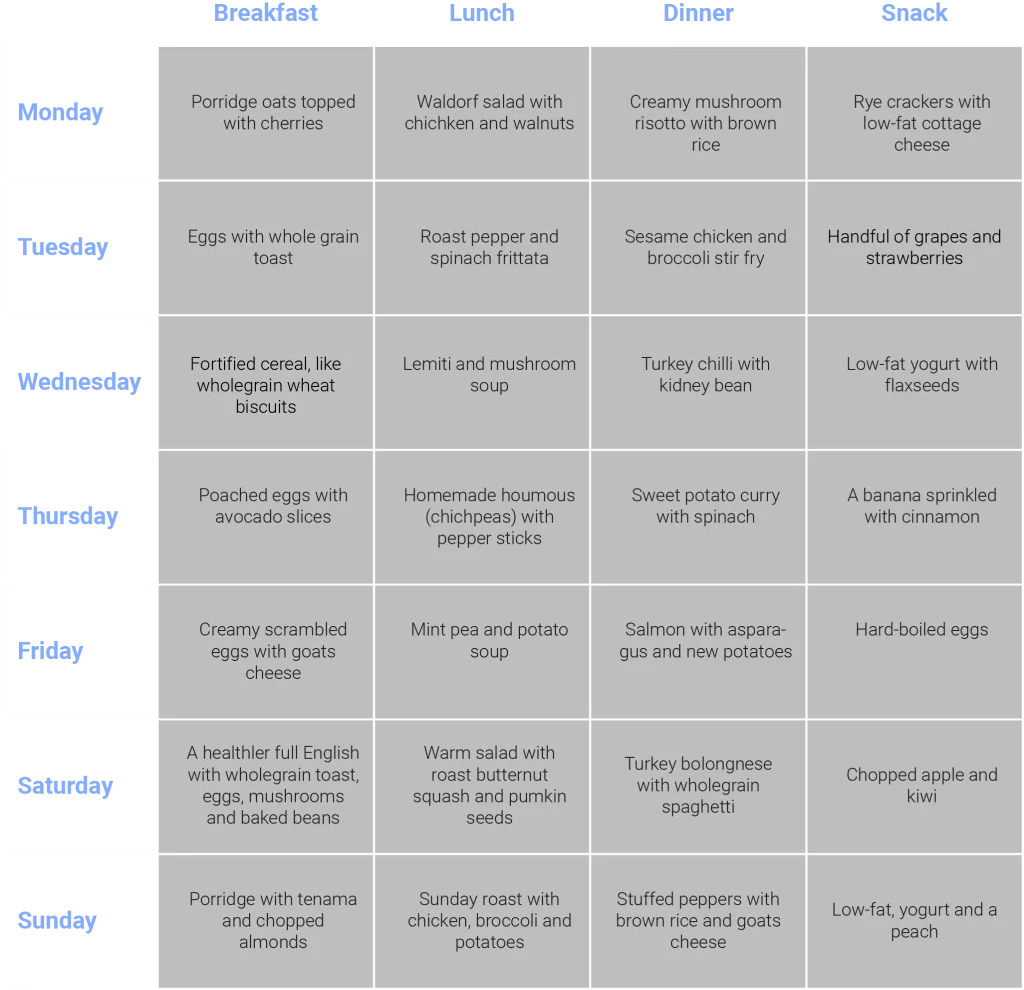
The 7-Day Meal Plan to Support Restful Sleep
This meal plan shows how to get the right nutrients to improve sleep. Adapt the meals to suit your body clock. Swap any ingredients with vegan alternatives, if required.
Chapter 3
Creating a Relaxing Bedtime Routine for Restful Sleep
Quality sleep is generally vital for overall health and well-being. The best way to do it is by practicing the same bedtime routine every day and sticking to it.
Create a calming and consistent night ritual to let your body know it's time to unwind and relax. A calming night ritual might include journaling, reading, gentle stretching, or breathing exercises. Journaling, in particular, helps release racing thoughts and reduce anxiety before bed.
A relaxing bedtime ritual can improve sleep quality at night, incorporate relaxation practices, and train your body to identify when it's time to sleep.
Before we get into the details of what a bedtime routine looks like, let's highlight the sleep disrupters and how we can avoid them:
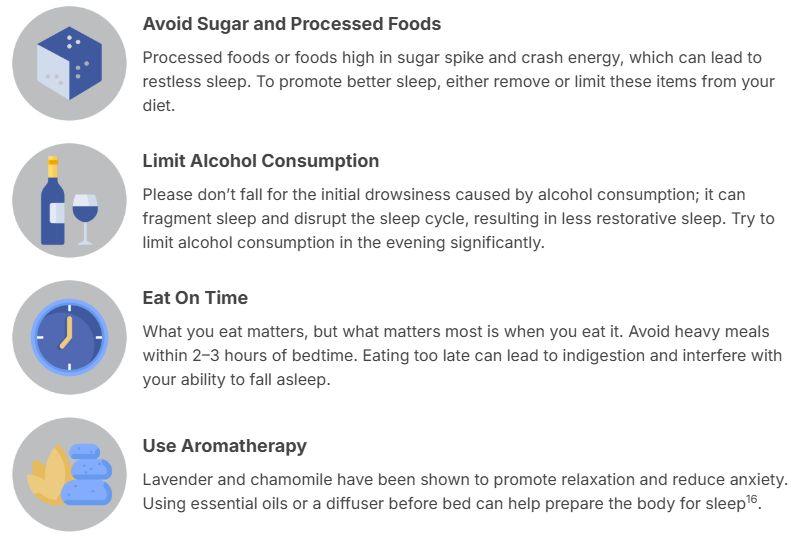
Steps To Build A Bed Time Routine
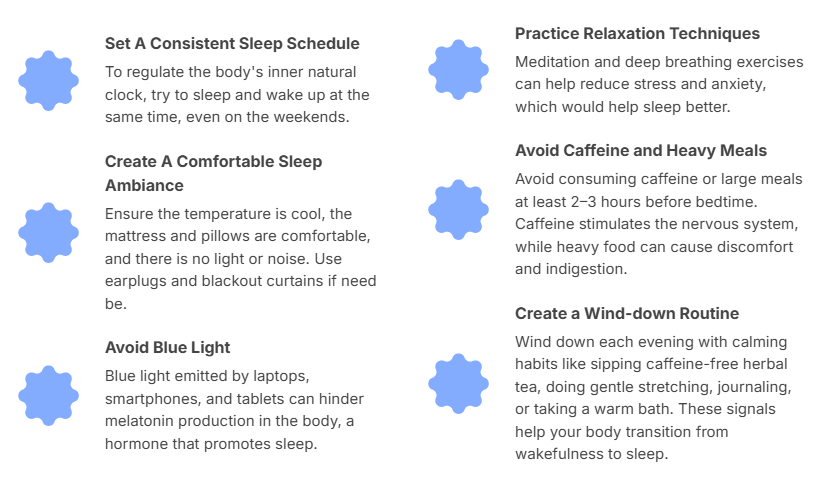
Note: Regarding a bedtime routine, no one size fits all, each to its own; you need to see how to fit these steps into your routine. Your comfort is paramount; see whatever suits your lifestyle and routine.
Seek Medical Advice
Consult Your Health Care Provider If You Experience Persistent Sleep Issues
When you are experiencing severe and persistent sleep issues, it's time to seek professional help because these are not only your sleep but your quality of life as well.
If you are experiencing chronic insomnia, feeling lethargic throughout the day, or suffer from restless leg syndrome or similar symptoms, it's time to visit a healthcare provider.
Also, if you experience a sudden, unexplained change in your sleeping patterns, such as excessive sleepiness or severe insomnia, consult your healthcare professional to rule out any underlying medical conditions.
Always remember that diagnosing and treating sleep disorders usually requires the expert opinion of specialists such as sleep therapists or sleep medicine physicians. Prioritizing sleep health is essential because it affects the overall well-being of an individual.
Chapter 4
How to Sleep Fast
Difficulty Falling Asleep? Here's Why!
There are many reasons why it may be difficult to get a good night's sleep. Identifying the behaviors and causes of your insomnia can help you correct the problem.
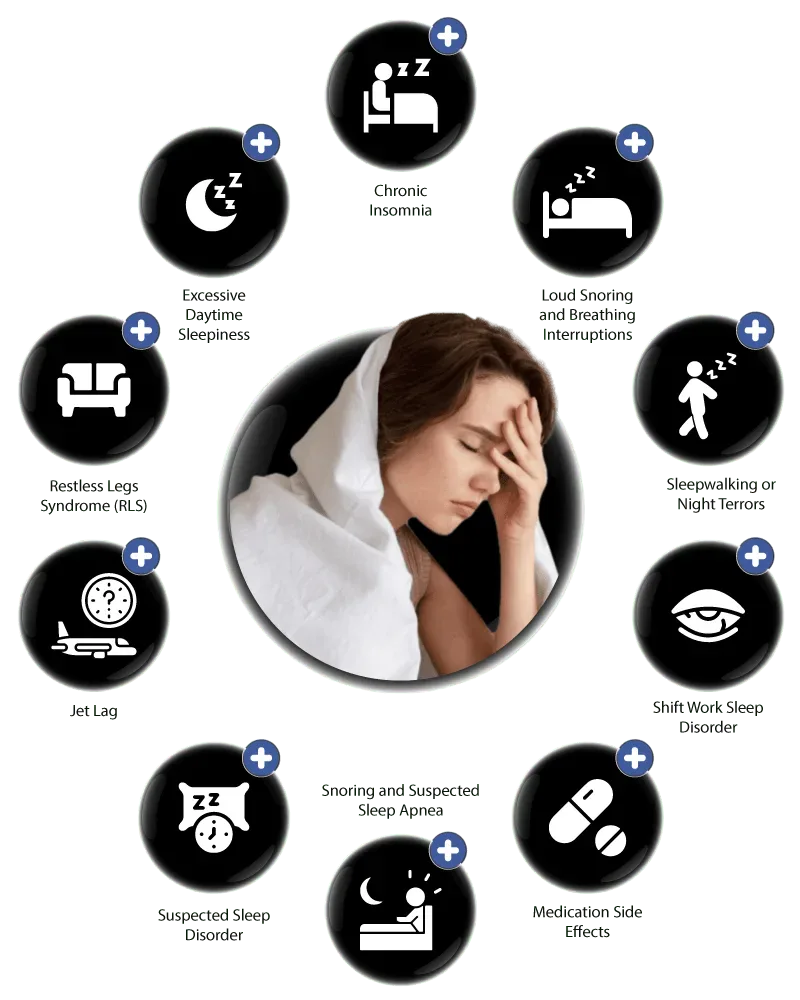
Here are some common causes of insomnia.
Military Method: 10 Seconds Sleep Hack
This technique, developed by the U.S. military, helps train the body to relax quickly. It may take up to two weeks of consistent practice to master.
- Relax your entire face, including the muscles inside your mouth.
- Drop your shoulders to release the tension, and let your hands drop to the side of your body.
- Exhale, relaxing your chest.
- Relax your legs, thighs, and calves.
- Clear your mind for 10 seconds by imagining a relaxing scene.
- If this doesn’t work, try saying “don’t think” repeatedly for 10 seconds.
- Within 10 seconds, you should fall asleep!
Source: healthline.com
Pro Athletes: 48 Seconds Sleep Hack
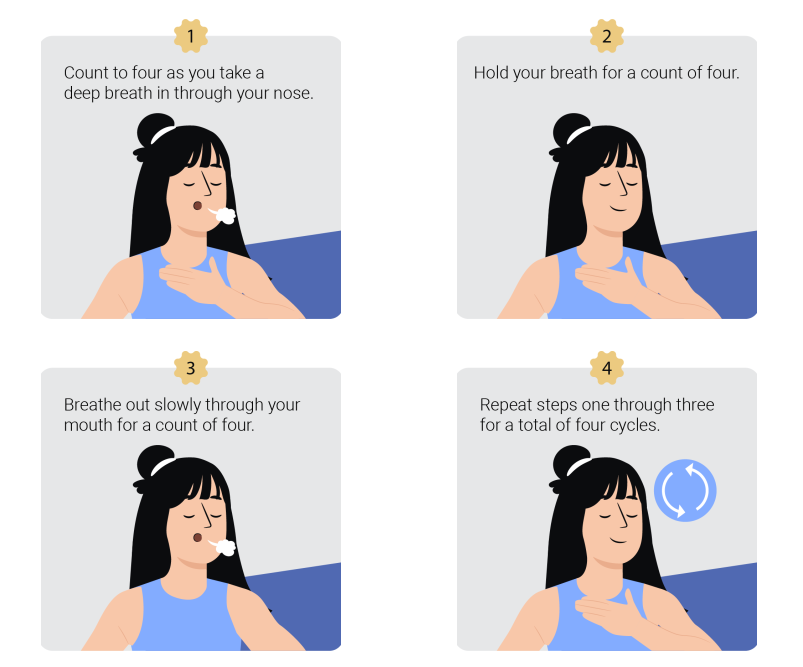
The quickest way to calm the nervous system is to regulate your breathing. Deep, controlled breaths shift the body from a stress response (sympathetic mode) to a relaxation state (parasympathetic mode).
This technique, widely used by athletes, also benefits stage performers, public speakers, people with anxiety, or anyone struggling to fall asleep.
The four-step method is called "relaxed" or "box" breathing.
Chapter 5
Don't Forget Supplement
While a balanced diet is the foundation of good sleep and health, dietary supplements can help address nutrient deficiencies that may interfere with sleep and stress regulation.
Magnesium plays a key role in relaxing muscles and calming the nervous system. Deficiency is linked to anxiety, insomnia, and muscle tension.
B vitamins (like B6 and B12), vitamin D, and zinc also support neurotransmitter production and sleep regulation.
There is no one-size-fits-all solution; supplements should be used with care and consultation. Always remember that supplements complement a healthy lifestyle comprising a balanced diet, routine exercise, and good sleep hygiene.
Award-Winning Proprietary Formula
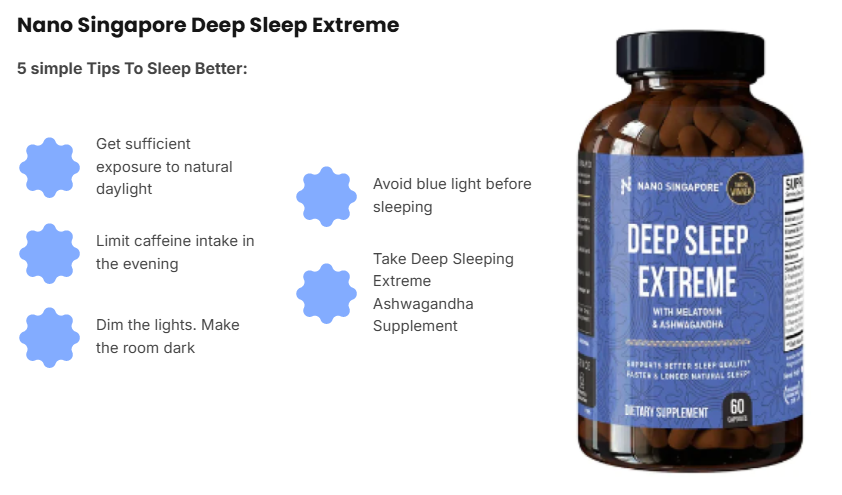
Active formula designed to support faster and longer natural sleep, and maximum calming effect.
By supplementing with Nano Singapore's advance formulated product, you'll be feeling your best every day.
Chapter 6
Sleep quality by the numbers
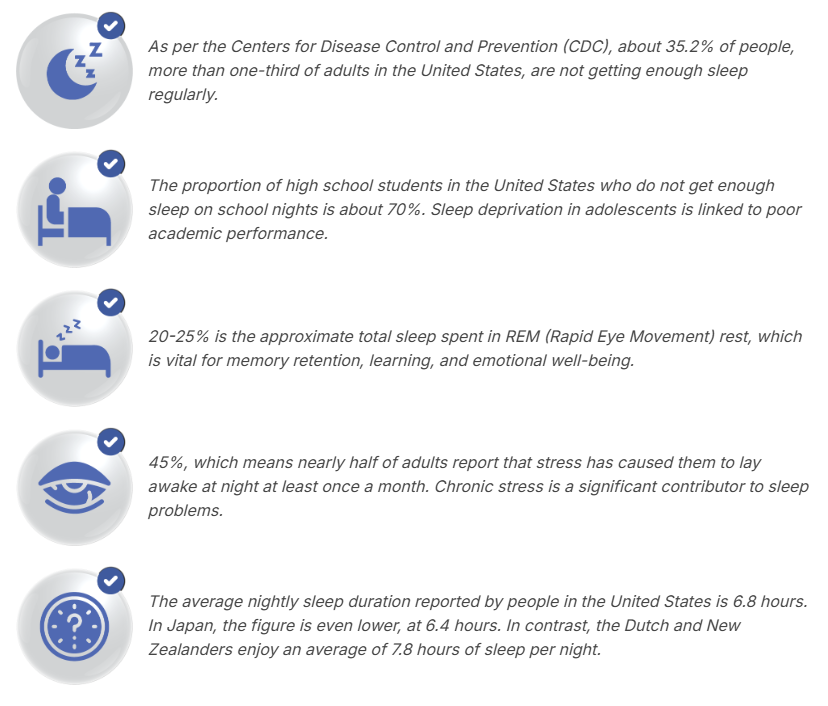
Individual experiences with sleep and aging can vary; some older adults have outstanding sleep routines, while others struggle to sleep peacefully. Understanding the relationship between sleep and aging is crucial.
Aging has a direct impact on the quality of sleep and sleep patterns. Below mentioned are some of the statistics related to aging and sleep:
Chapter 7
A Final Words
Embracing mindfulness and stress reduction techniques are transformative and enhance overall well-being. These techniques provide the tools to manage stress, improve your mental state, and give you profound peace. Some of these tools include mindfulness, deep breathing, and physical activity.
Sleep and nutrition are interconnected, and that too in a complex relationship. These factors influence overall well-being, so we must make conscious dietary choices rich in nutrients and avoid food disrupting sleep.
A balanced diet enhances sleep patterns, gets you a good night's sleep, and leaves you feeling refreshed and energized in the morning to take on the tasks for the day. Remember to stay hydrated and drink plenty of water throughout the day.
It is essential to remember that every individual may have different responses to food, so it's vital to listen to your body and act accordingly. Rejuvenating mind and body requires patience and dedication; stick to the routine, and soon, you will start experiencing the benefits.
The statistics surrounding sleep quality stress the pervasive impact on lives, including health, safety, productivity, and overall well-being. So, prioritizing good sleep hygiene and looking for solutions for sleep-related issues are vital steps towards improving sleep quality and our personal lives.
References
- Bravo R, Matito S, Cubero J, et al. Tryptophan-enriched cereal intake improves nocturnal sleep, melatonin, serotonin, and total antioxidant capacity levels and mood in elderly humans. Age (Dordr). 2013;35(4):1277-1285. doi:10.1007/s11357-012-9419-5
- Langade D, Kanchi S, Salve J, Debnath K, Ambegaokar D, Langade DG. Efficacy and safety of Ashwagandha (Withania somnifera) root extract in insomnia and anxiety: a double-blind, randomized, placebo-controlled study. Cureus. 2019;11(9):e5797. doi:10.7759/cureus.5797
- Fatemeh G, Sajjad M, Niloufar R, Neda S, Leila S, Khadijeh M. Effect of melatonin supplementation on sleep quality: a systematic review and meta-analysis of randomized controlled trials. J Neurol. 2022;269(1):205-216. doi:10.1007/s00415-020-10381-w
- Goyal M, Singh S, Sibinga EM, et al. Meditation programs for psychological stress and well-being: a systematic review and meta-analysis. JAMA Intern Med. 2014;174(3):357-368. doi:10.1001/jamainternmed.2013.13018
- Bentley TG, D’Andrea-Penna G, Rakic M, et al. Breathing practices for stress and anxiety reduction: Conceptual framework of implementation guidelines based on a systematic review of the published literature. Brain Sci. 2023;13(12):1612. doi:10.3390/brainsci13121612
- Bender T, Nagy G, Barna I, Tefner I, Kadas E, Geher P. The effect of physical therapy on beta-endorphin levels. Eur J Appl Physiol. 2007;100(4):371-382. doi:10.1007/s00421-007-0469-97.
- Mazza M, Pomponi M, Janiri L, Bria P, Mazza S. Omega-3 fatty acids and antioxidants in neurological and psychiatric diseases: an overview. Prog Neuropsychopharmacol Biol Psychiatry. 2007;31(1):12-26. doi:10.1016/j.pnpbp.2006.07.010
- Lutz M, Moya PR, Gallorio S, Ríos U, Arancibia M. Effects of dietary fiber, phenolic compounds, and fatty acids on mental health: Possible interactions with genetic and epigenetic aspects. Nutrients. 2024;16(16):2578. doi:10.3390/nu161625789. Bassett SM, Lupis SB, Gianferante D, Rohleder N, Wolf JM. Sleep quality but not sleep quantity effects on cortisol responses to acute psychosocial stress. Stress. 2015;18(6):638-644. doi:10.3109/10253890.2015.108750310. American Psychiatric Association. Sleep-Wake Disorders: DSM-5® Selections. American Psychiatric Publishing; 2015.11. Zavitsanou A, Drigas A. Nutrition in mental and physical health. Technium Soc Sci J. 2021;23:67.12. Sanlier N, Sabuncular G. Relationship between nutrition and sleep quality, focusing on the melatonin biosynthesis. Sleep Biol Rhythms. 2020;18(2):89-99. doi:10.1007/s41105-020-00256-y.13. Mantantzis K, Campos V, Darimont C, Martin FP. Effects of dietary carbohydrate profile on nocturnal metabolism, sleep, and wellbeing: a review. Front Public Health. 2022;10:931781. doi:10.3389/fpubh.2022.93178114. Arab A, Rafie N, Amani R, Shirani F. The role of magnesium in sleep health: a systematic review of available literature. Biol Trace Elem Res. 2023;201(1):121-128. doi:10.1007/s12011-022-03162-115. Kennedy DO. B vitamins and the brain: mechanisms, dose and efficacy—a review. Nutrients. 2016;8(2):68. doi:10.3390/nu802006816. Rafii F, Ameri F, Haghani H, Ghobadi A. The effect of aromatherapy massage with lavender and chamomile oil on anxiety and sleep quality of patients with burns. Burns. 2020;46(1):164-171. doi:10.1016/j.burns.2019.02.017