

- A diverse gut microbiota regulates immunity, metabolism, and vitamin production, and protects against pathogens.27
- Probiotics, fiber-rich foods, and physical activity help restore gut balance and improve digestion.1
- Gut dysbiosis is linked to diseases like type 2 diabetes, obesity, IBD, and cardiovascular conditions.12
Overview
What is Gut Health?
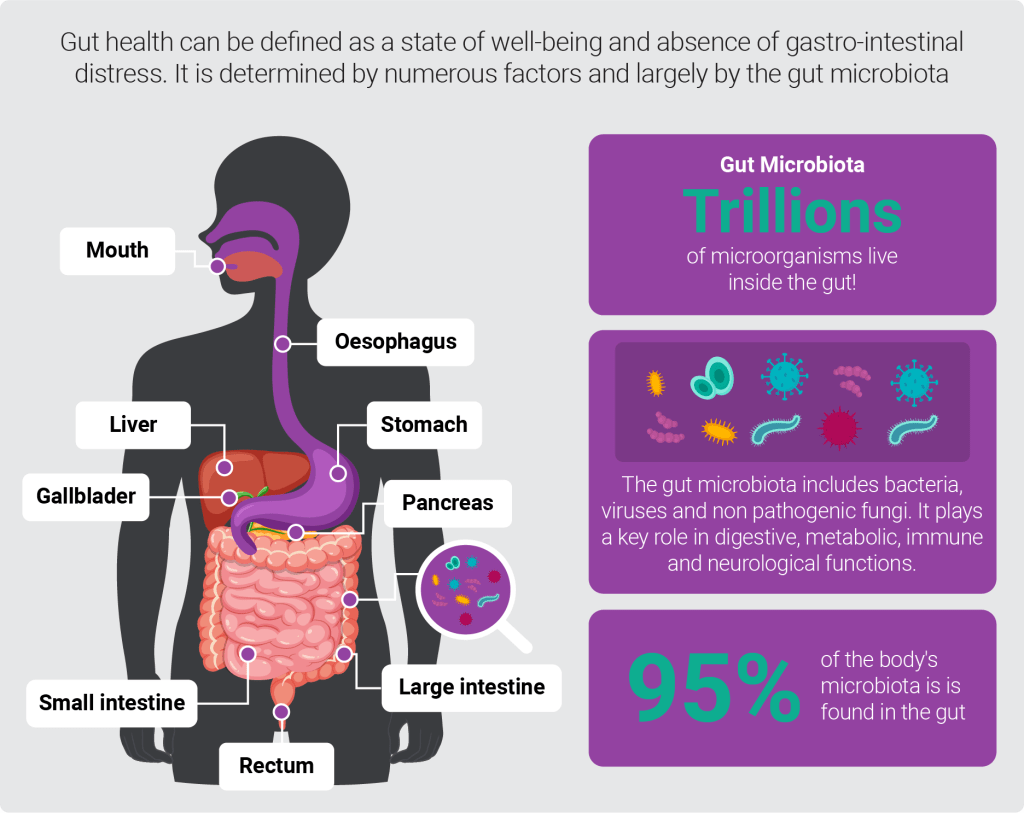
Gut Microbiota Explained
Our gut is home to trillions of bacteria that live in harmony with our body, forming what’s known as the gut microbiota. This ecosystem inside our gut plays a crucial role in keeping us healthy. But what exactly is the gut microbiota, and why is it important?
Gut health can be defined as “a state of physical and mental well-being in the absence of gastrointestinal (GI) complaints that require the consultation of a doctor, in the absence of indications of or risks for bowel disease, and in the absence of confirmed bowel disease.” This definition aligns with the World Health Organisation (WHO) concept of health from 1948, which emphasizes a positive state of well-being rather than merely the absence of disease³. Understanding how this state of health is achieved reveals it’s determined by numerous factors, with the gut microbiota being a primary driver.
What Is Gut Microbiota?
Within our gastrointestinal tract resides a vast and diverse community of microorganisms, predominantly bacteria, that engage in a symbiotic relationship with the human host, collectively termed the gut microbiota. It consists of about 1000 different species of bacteria, fungi, and archaea. This diversity means the bacteria in our gut have more genes than our own bodies, making up what’s called the gut microbiome. This ecosystem inside our gut plays a crucial role in keeping us healthy. But what exactly is the gut microbiota, and why is it important? ²⁷, ²¹.
What is Gut Health?
How Does It Affect Us
These microorganisms communicate with our body in various ways, such as interacting with cell receptors and influencing our metabolism. This can have positive or negative effects on our health, depending on the types and amounts of bacteria present. Although research is still uncovering all the ways gut microbiota affects our health, we already know it plays a role in:³¹
- Managing bone density
- Regulating fat storage
- Supporting immune system development
- Producing vitamins and amino acids
- Protecting against harmful pathogens
- Influencing our nervous system and appetite
The potential of gut microbiota in medicine and science is huge, with many functions still to be discovered.
Health Impacts
Research strongly supports the link between gut microbiota dysbiosis, an imbalance in the gut microbial community, and a wide range of systemic diseases impacting the digestive, metabolic, cardiovascular, immune, and neurological systems. Key evidence includes associations with: inflammatory bowel disease, irritable bowel syndrome, celiac disease, heart disease, metabolic syndrome, obesity, asthma, and allergies. For instance, alterations in gut microbiota composition have been consistently observed in individuals with type 2 diabetes, suggesting a causal or contributory role for gut bacteria in the disease pathogenesis¹²,²³.
Chapter 1
The Role of Probiotics and Prebiotics
Prebiotics vs Probiotics
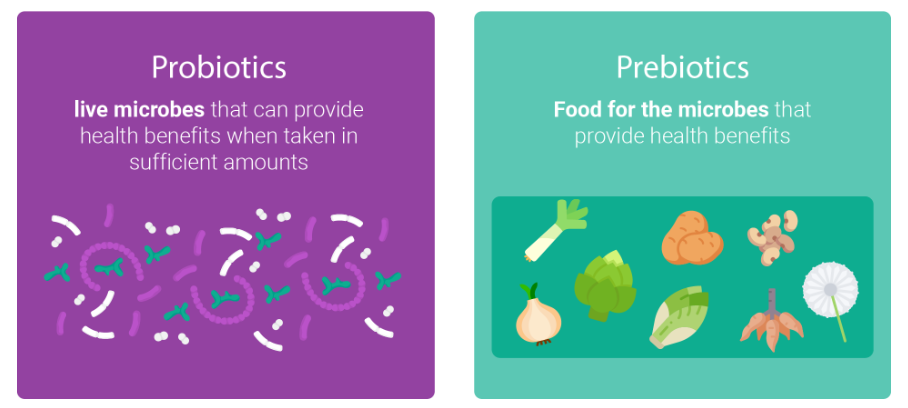
FOODS THAT CONTAIN
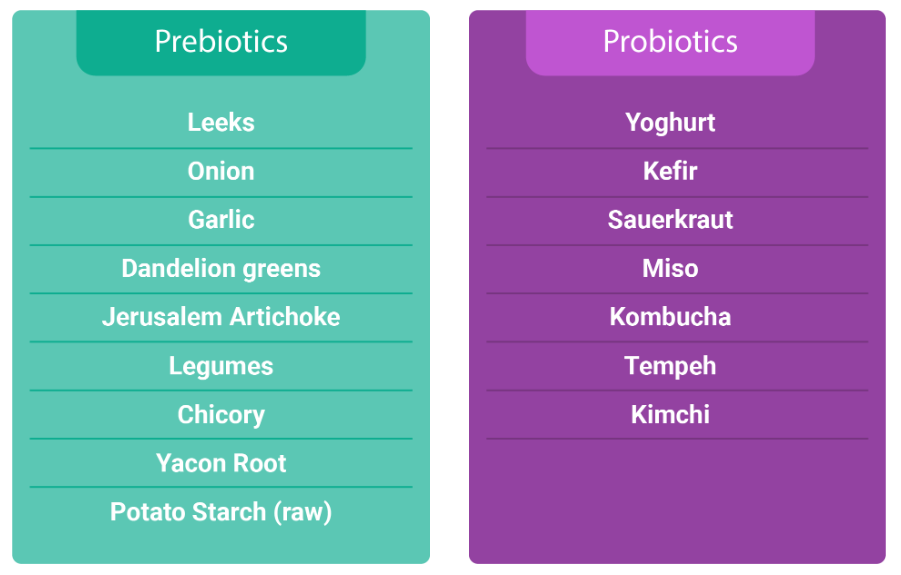
Understanding the significance of probiotics and prebiotics is fundamental to promoting gut health. It delves into these elements' crucial roles in maintaining a healthy digestive system.
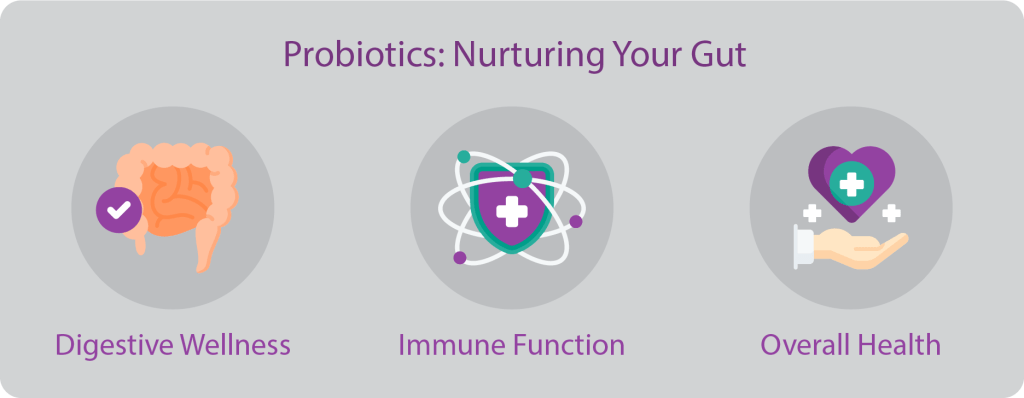
Probiotics: Nurturing Your Gut
Prebiotics: Fuel for Gut Health
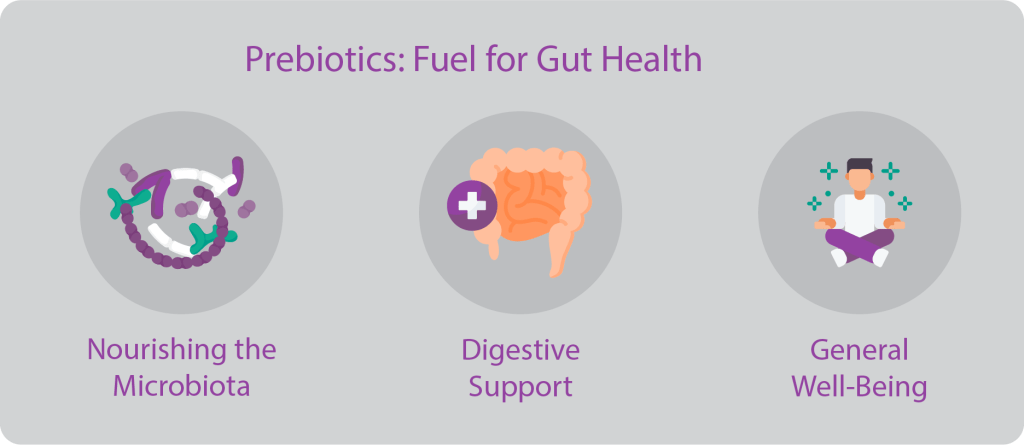
Understanding the role of probiotics and prebiotics is essential for supporting gut health, as both play critical roles in maintaining a balanced gut microbiota and optimal digestive function³⁴.
With the help of cutting-edge research and innovative tools, scientists and health professionals have deepened their understanding of how these beneficial microorganisms and fibers impact our well-being.
This evolving knowledge empowers individuals to explore the intricate interactions within the gut microbiome and its influence on overall health in unprecedented ways and make evidence-based dietary choices to support gastrointestinal and overall health.
Chapter 2
Daily Activities for a Healthy Gut
Importance of Active Activities for Gut Health
In today's fast-paced lifestyle, prioritizing activities for gut health is crucial for overall well-being. This chapter sheds light on integrating active habits into daily routines to support digestive health.
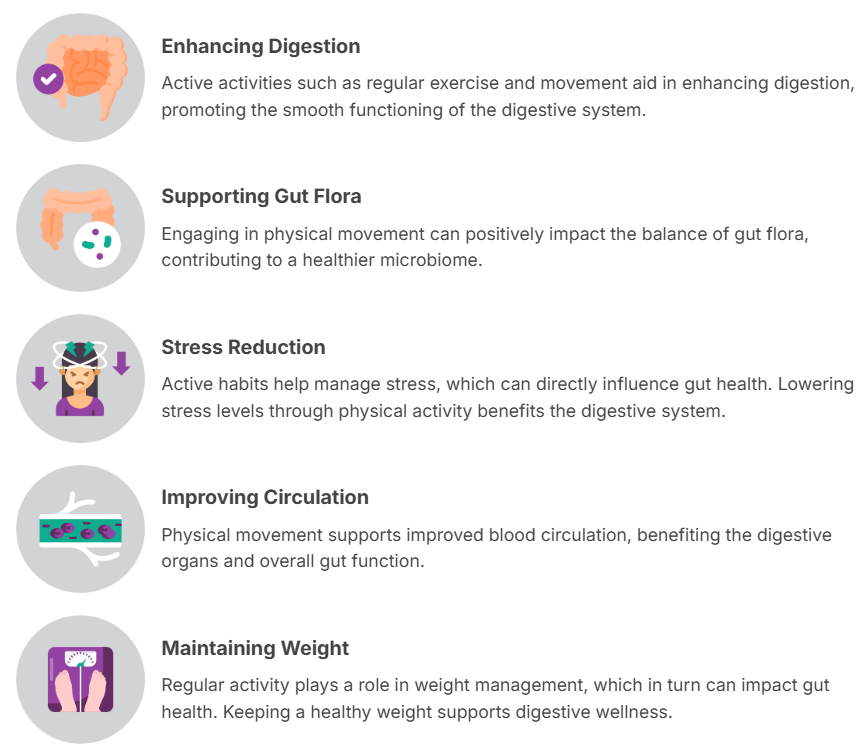
Yoga For Gut Health

Improve your Gut Health in 21 days

Chapter 3
Dietary Choices for Gut Health
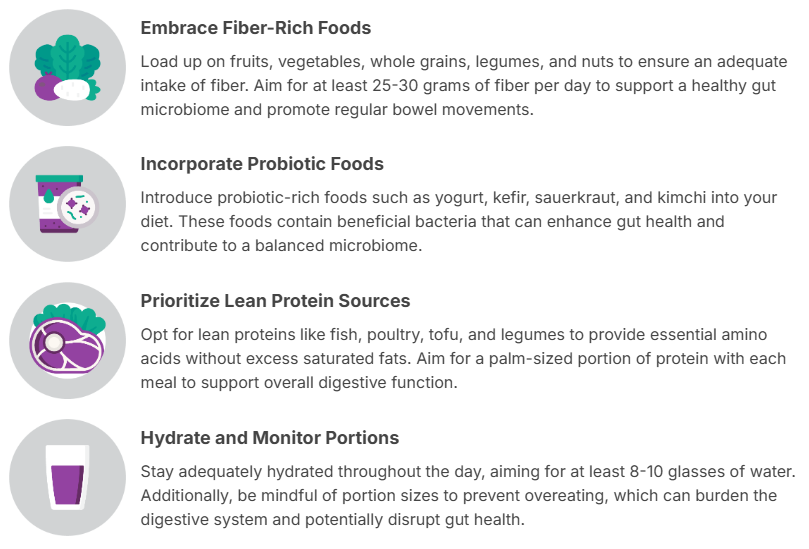
Your gut plays a vital role in overall health, and by making mindful dietary decisions, you can actively support its function and balance. Here is a quick and practical guide to help you make nourishing dietary choices for optimal gut health.
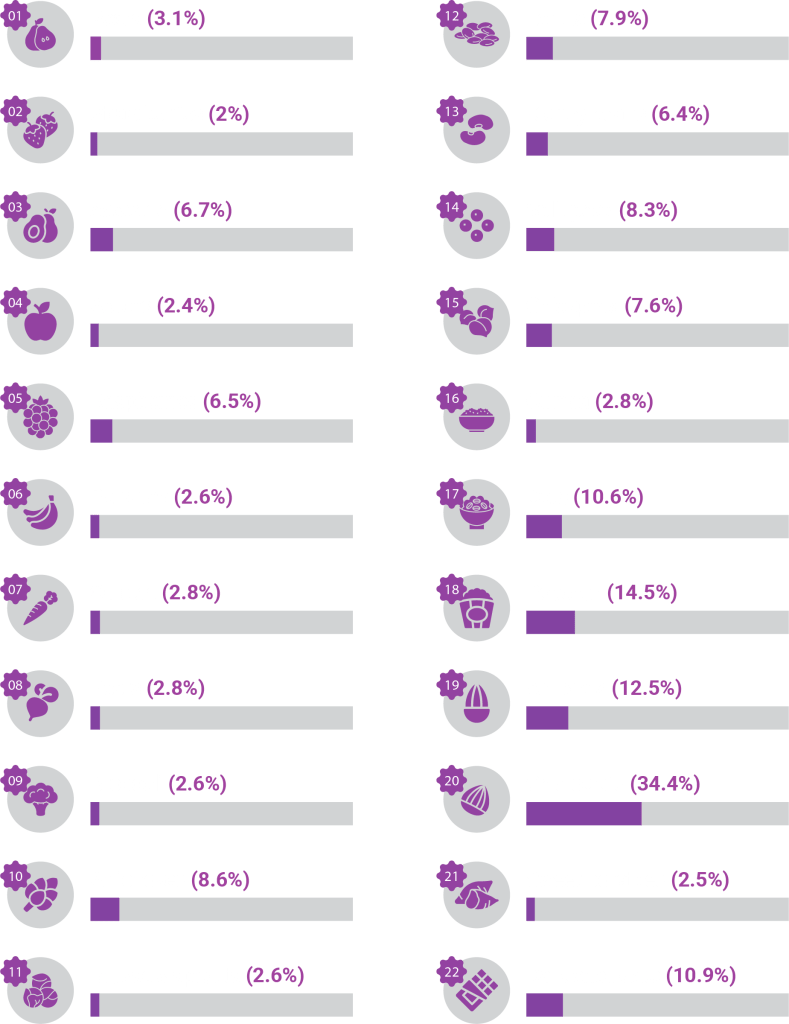
Get plenty of fibre
Our bacteria love fibre. Foods that pack the biggest fibre punches include:
The Anatomy of a Gut-Healthy Plate

Meal Planner To Promote Gut Health

Chapter 4
Detoxification Importance for Healthy Gut
In today's fast-paced and toxin-filled world, maintaining a healthy gut is essential for overall well-being. Detoxification is crucial in ensuring that our digestive system functions optimally, allowing us to absorb nutrients efficiently and support our immune system.
Here is why detoxification is so important for a healthy gut:
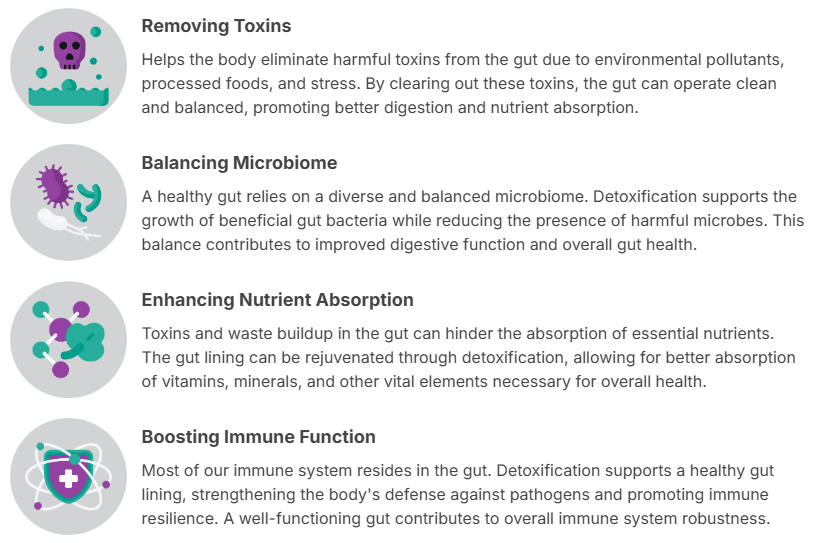
Healthy Gut
Detoxification is vital for achieving and maintaining a healthy gut. By implementing effective strategies, we can support the body's natural cleansing mechanisms and promote optimal digestive function.
Here are some key strategies for detoxifying the gut:
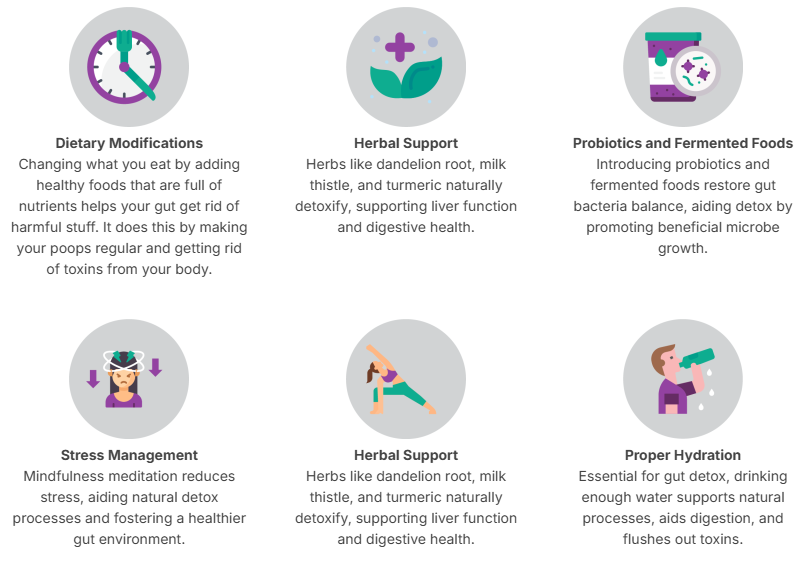
Note: By integrating these strategies into our daily lives, we can effectively detoxify the gut and foster lasting digestive health. It introduces practical methods to aid your gut's natural detoxification processes, leading to a happier, healthier you.
When to Consult Your Healthcare Provider
Recognizing the signs that indicate the need to consult a healthcare provider for gut health is crucial for overall well-being. If you experience persistent digestive discomfort, unexplained weight changes, prolonged constipation, diarrhea, or blood in stool, seeking medical advice is important.
Recurring symptoms such as bloating, gas, or indigestion that significantly impact daily life should be considered. Individuals with a family history of gastrointestinal conditions or those undergoing prolonged use of medications affecting the digestive system should also consider seeking professional guidance.
The following are key reasons to consult your healthcare provider:
- Persistent digestive discomforts, such as chronic bloating, gas, or abdominal pain
- Unexplained changes in bowel habits or prolonged constipation or diarrhea
- Severe heartburn or acid reflux that doesn’t respond to over-the-counter treatments
- Noticeable changes in appetite, especially a sudden or significant loss of appetite
- Unintentional weight loss or gain without changes in diet or exercise routine
- Presence of blood in the stool or black, tarry stool
- Family history of gastrointestinal conditions or diseases
- Suspected food allergies or intolerances impacting daily life
- Symptoms of malabsorption, such as chronic fatigue, weakness, or nutrient deficiencies
- Persistent discomfort or symptoms despite making dietary and lifestyle adjustments
Consulting a healthcare provider is essential if lifestyle modifications and over-the-counter remedies fail to alleviate digestive issues. Individuals can prioritize their gut health and overall wellness by being attentive to these signs and proactively seeking medical assistance when necessary.
Chapter 5
Modern Life & Gut Health
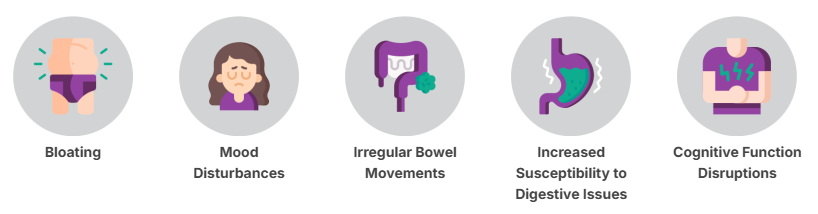
When our gut health suffers from bad habits, it triggers uncomfortable symptoms like bloating and irregular bowel movements. Sedentary lifestyles further exacerbate digestion issues, highlighting the crucial link between habits and gut balance.
Poor gut health impacts mental well-being, with imbalances in the gut microbiome causing mood disturbances and cognitive issues. Nurturing a healthy gut through mindful choices is vital for overall wellness.
Negative effects that can impact gut health, including:
The renowned gastroenterologist Dr. Smith emphasizes, "The impact of bad habits on gut health cannot be overstated. Poor dietary choices, high-stress levels, and sedentary lifestyles significantly affect the delicate balance of the gut microbiome, leading to many digestive issues."
Furthermore, Dr. Patel, a leading nutrition specialist, asserts, "Nutritional imbalances due to bad eating habits can disrupt the gut-brain axis, contributing to mood disorders and cognitive issues. It's crucial to recognize the profound link between gut health and overall well-being."
Dr. Chen, a respected gastroenterologist, recommends, "Incorporating fiber-rich foods, probiotics, and fermented products can positively influence gut flora composition. These simple dietary modifications can help restore gut equilibrium and promote digestive wellness."
These expert insights underscore the significance of acknowledging and addressing bad habits impacting gut health. Individuals can proactively nurture their gut health and pave the way for long-term well-being by heeding professional advice and implementing targeted lifestyle adjustments.
Good health begins in the gut
Diarrhoes, constipation and bloating, it's likely that your microbiome the 100 trillion microbes in your gut, mode up of around 1000 different families, all with different jobs to do is struggling to find balance.
Modern life does a number on our microbiome.
Here's the basics on how to make it happy:
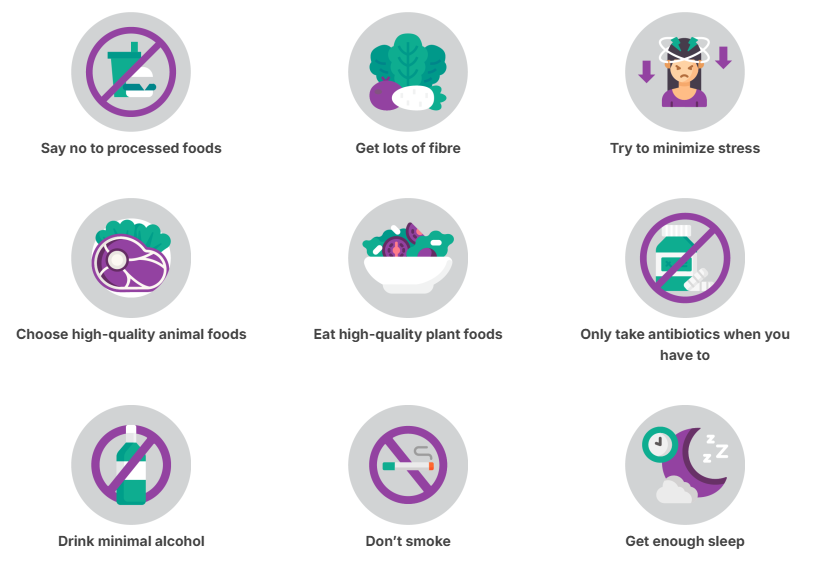
And stay away from these enemies of gut health:
- Ultra-processed foods (takeaways, crisps, biscuits, cakes)
- Sugar
- Refined oils
- Alcohol
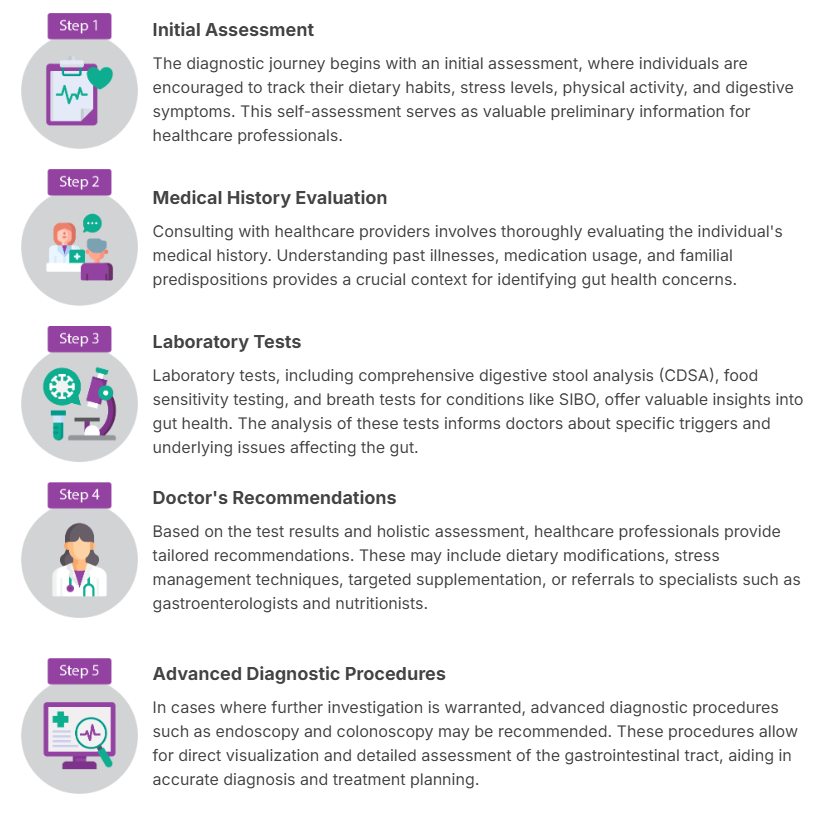
Test Analysis and Doctor's Recommendations
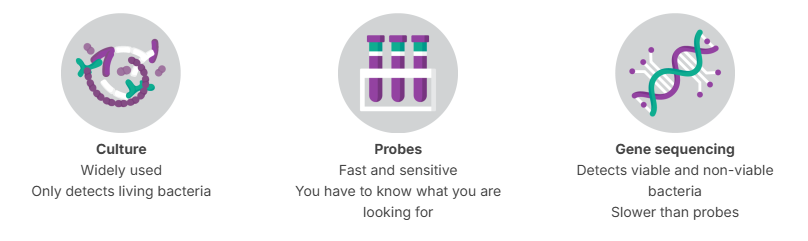
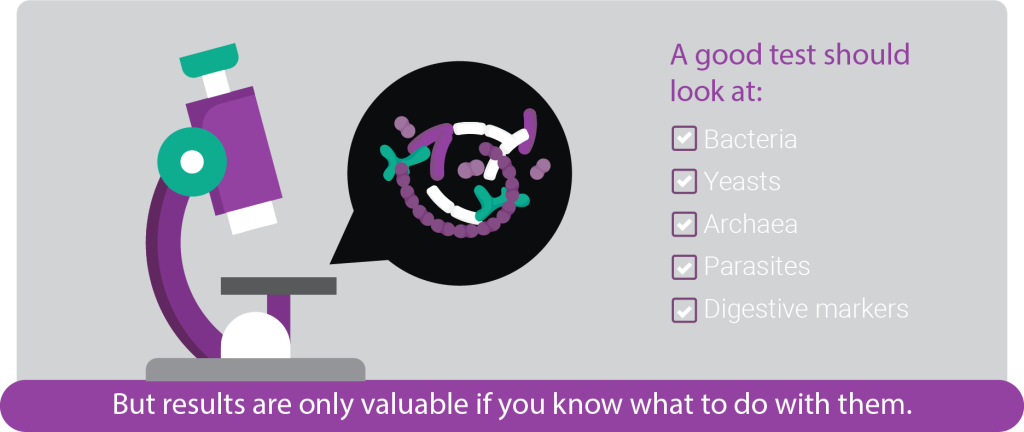
There are a few methods for analysing gut bacteria

Chapter 6
Don't Forget Supplements
Don't forget to consider supplements as a valuable addition to your gut health regimen. While a balanced diet and regular exercise are foundational, certain vitamins and minerals, like vitamin D, magnesium, and zinc, are essential for supporting a healthy gut.
Additionally, specialised supplements such as probiotics, prebiotics, and digestive enzymes can be beneficial in nurturing a thriving gut microbiome and improving digestion³⁴.
Award-Winning Proprietary Formula
Active formula designed to support healthy digestion, gut, colon and liver.
By supplementing with Nano Singapore's advanced formulated product, you'll be feeling your best every day.
WHY 15 DAYS DETOX?
11 Amazing Ingredients + Acai Berries
- Super Foods & All Natural Ingredients: Nano Singapore's 15 Days Detox consist of 11 amazing ingredients including Chlorella Superfood, Black Walnuts, Ginger Papaya!
- Fights Free Radicals: Acai Berries a mirade fruit for thousands of years has 34x the antioxidants of apple. Soak up darraging free radicals and give your body a healing protection of this powerful anticoxidant
Our NanoShield was advanced the layer protection that maximize survival of probiotics to the intestine
- Step 1 – NanoShield: Two Step Acid Protection - Our probiotic bacteria are enrobed by an extract of Brown Seaweed called complex marinepolysaccharides.When our nanoshield capsule is swallowed it will come in contact with the stomach acid. Theacid will then dissolve the capsule. The complex marine polysaccharides will form a secondaryinternal capsule protecting the living probiotic cells from the acid.
- Step 2 – NanoShield: In-Transit Buffering - This step is a proprietary all natural buffering system that helps to support the in-transitdigestive environment condition.
- Step 3 – NanoShield: Additional Safeguards - Our probiotic strains used are

Singapore's Best Probiotics Supplement
As nourishing as probiotics can be for a body, some studies show that 99% of non-micro-shield probiotics die off in the first 30 minutes of their journey to the intestines due to a low pH environment.
One of the things that set Nano Singapore's Best Probiotics Supplements apart from other supplements is the fact that it is made with nano-encapsulated probiotics. This means that are more resistant to stomach acid and can survive transit through the digestive system.
Chapter 7
A Final Word
In the exploratory journey into the realm of gut health improvement, it's imperative to recognize the profound impact that a nurtured gut ecosystem holds for our overall well-being.
The delicate harmony in our digestive system has a big impact on how strong and energetic we feel. When we take good care of our gut, it gives us the energy we need to face each day and provides our body with the basics it needs to stay healthy and do well.
Ignoring our gut health can upset the balance in our body, which might cause discomfort and make it harder to do our daily tasks.
On the other hand, taking care of our gut by eating the right foods, having probiotics, managing stress, drinking enough water, and staying active makes our body stronger, helping us deal with the demands of modern life and the effects of aging.
In nurturing our gut health, we are not merely investing in a robust digestive system; we are cultivating a life brimming with vitality and the capacity to relish each moment to its fullest.
Let's prioritize our gut health, recognizing its transformative power in our well-being. Here's to a future adorned with flourishing gut health and a harmonious relationship with our bodies.
References
3. Bischoff, S.C. (2011) '"Gut health": a new objective in medicine?', BMC Medicine, 9(1).
5. Cleveland Clinic (2023) What Are Probiotics & What Do They Do?, Cleveland Clinic.
8. Gunnars, K. (2020) 22 High Fiber Foods, Healthline. Healthline Media.
9. Healthpath - We Help People to Take Charge of Their Gut Health (2025) Healthpath.
20. Patel, N. and Shackelford, K.B. (2022) Irritable Bowel Syndrome, Nih.gov. StatPearls Publishing.
27. Turnbaugh, P. (2007) The Human Microbiome Project, Nature.