
- Vitamin C supplementation can reduce cold duration by up to 18% and cut cold risk by 52% in physically stressed individuals, according to clinical trials1.
- Zinc supplementation reduced cold duration by 1 day and lowered the risk of catching a cold by 36%, according to clinical trial analysis2.
- Beta-glucan reduced the number of cold episodes and eased symptoms like sore throat, cough, and runny nose in a double-blind clinical trial3.
Chapter 1
How Your Lifestyle Affects Immunity
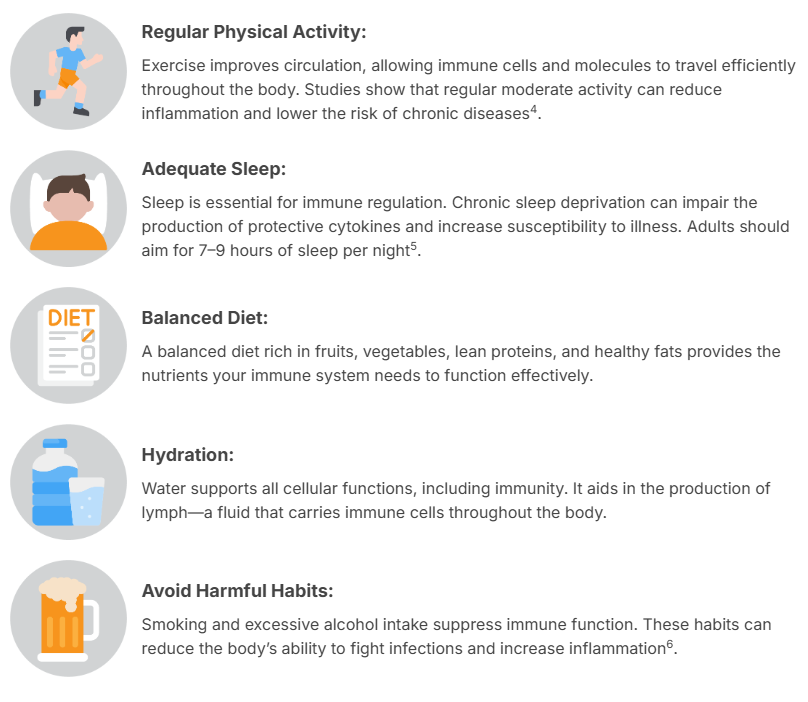
The immune system is the body’s defense network against infections and illnesses. Its effectiveness depends largely on your daily lifestyle choices. Healthy habits like proper sleep, exercise, and nutrition can significantly enhance immune function and improve overall health.
Key lifestyle factors that influence immunity include:
8 Yoga Poses to Reduce Inflammation + Boost Immunity
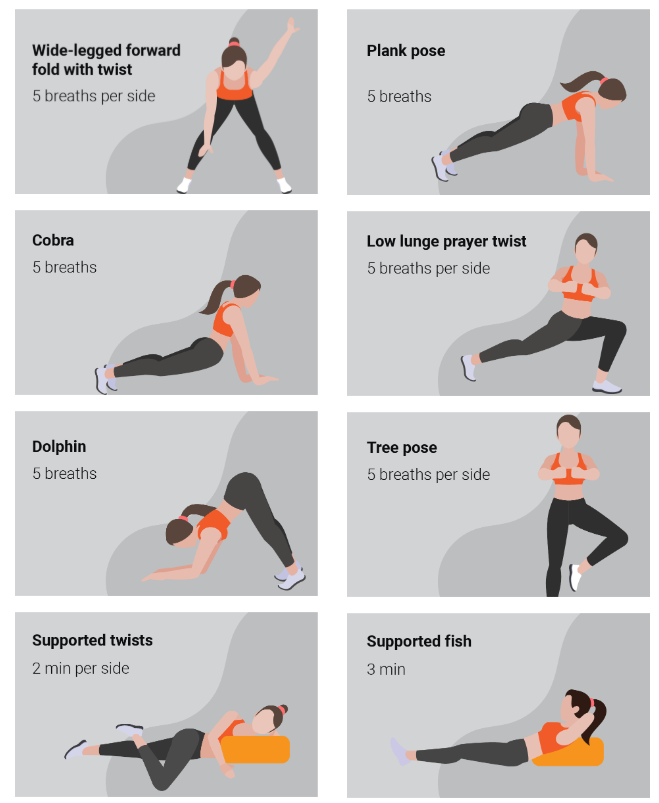
Source: Kelly Collins
Chapter 2
Nutrition & Immunity
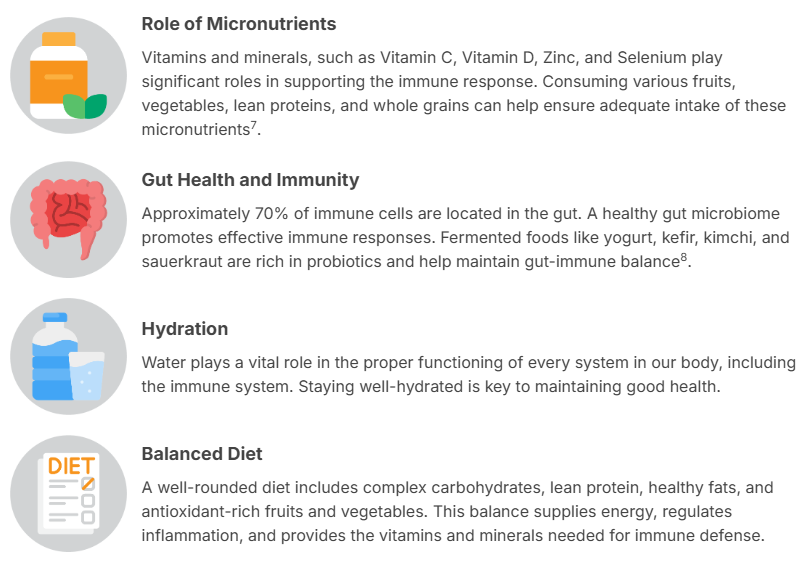
Nutrition and immunity are deeply interconnected. What we eat influences immune cell development, antibody production, and inflammation regulation. Scientific research confirms that micronutrients, gut health, and hydration all play essential roles in maintaining immune function.
Our immune system, a complex network, defends against pathogens. It relies on essential nutrients for optimal function. Scientific evidence shows diet’s profound impact on immune function, from vitamins to phytonutrient.
Sources: Harvard Health, Cleveland Clinic
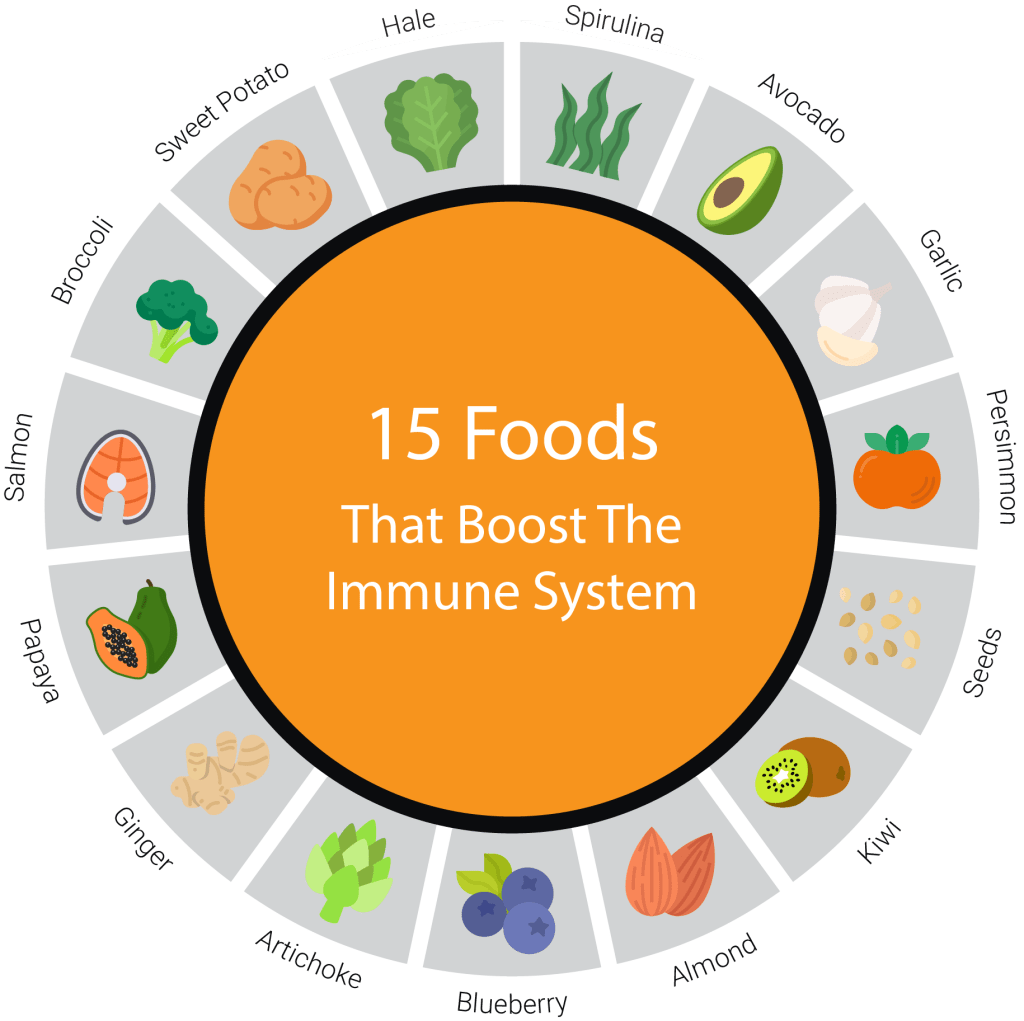
The Healthy Plate for Immunity Health
A balanced and nutritious diet plays a pivotal role in bolstering our immune system. Here’s how you can design a ‘Healthy Plate’ for strong immunity:
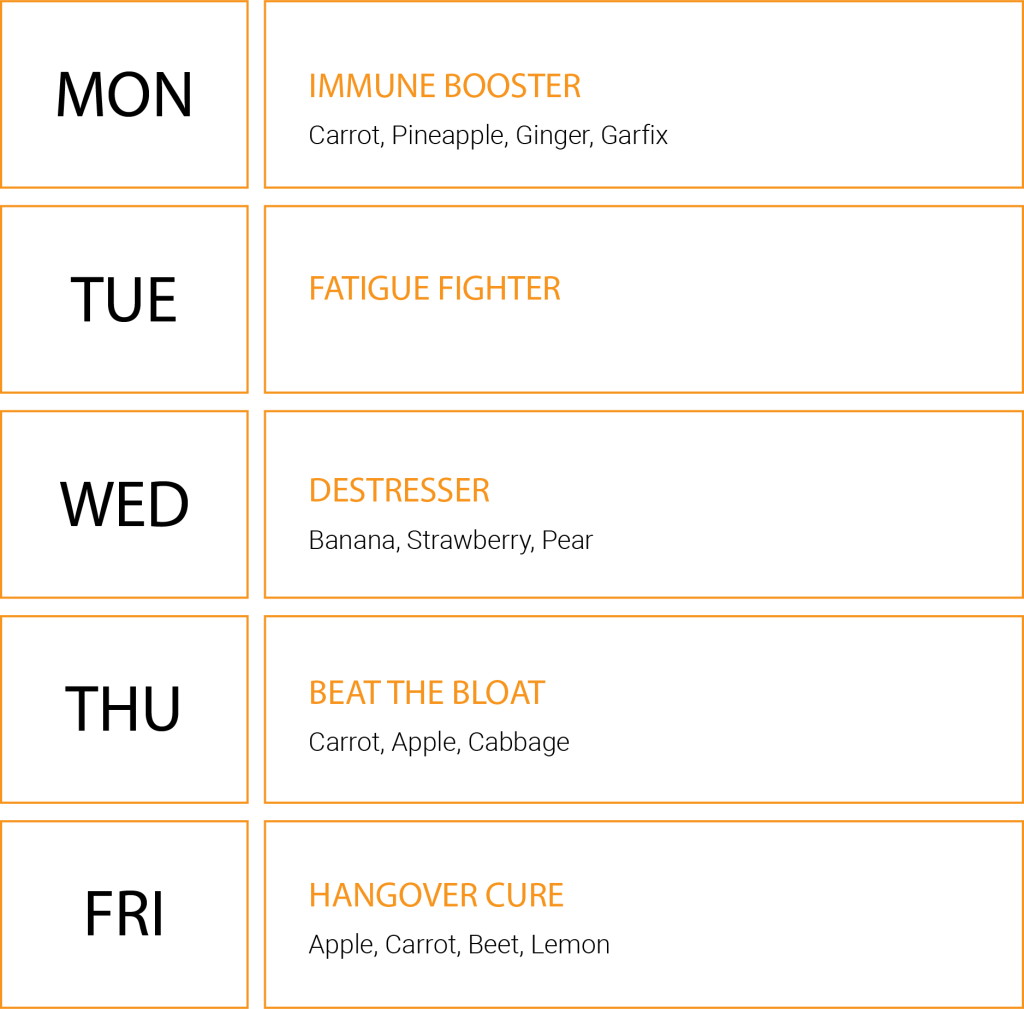
A Juice A Day…
Our favorite juice combinations for any day of the week. For immunity boosting, weight loss or curing mental fatigue.
Sources: establishedcalifornia.com
Chapter 3
Stress & Immunity
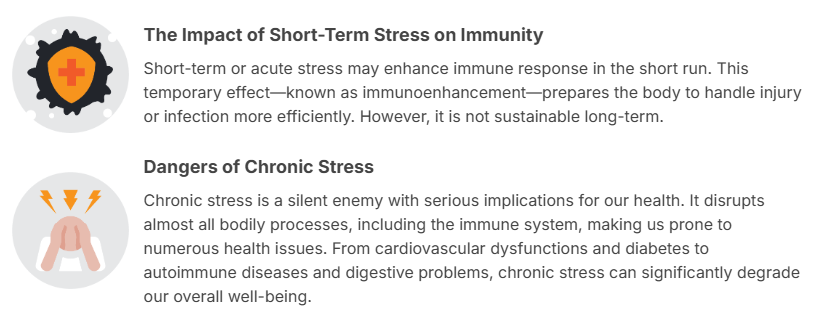
The immune system defends the body against infections and diseases. Stress, however, can interfere with this defense. During stressful events, the body activates the “fight-or-flight” response, releasing hormones such as cortisol and adrenaline. These hormones temporarily alter immune activity9.
When stress becomes chronic or unmanaged, it can negatively impact your immune system, making you more susceptible to illnesses. Thus, stress management is crucial for maintaining a robust immune system.
Sources: mayoclinic.org
Dangers of Chronic Stress
Chronic stress, when left unchecked, can take a severe toll on our immune system and overall health. Here are the key dangers associated with it:
- Impaired ImmunityChronic stress hinders the immune system's functioning, making us more vulnerable to infections and diseases.
- Mental Health IssuesStress can trigger or exacerbate mental health problems like depression and anxiety disorders.
- Cardiovascular ProblemsIt can lead to high blood pressure, heart disease, and stroke due to the constant 'fight or flight' response.
- Digestive DisordersIt can cause or worsen digestive problems like gastritis, ulcerative colitis, and irritable bowel syndrome.
Stress Hormones and Immunity
Cortisol, the primary stress hormone, plays a dual role in immune regulation. In acute stress, cortisol can help modulate inflammation and enhance short-term immune preparedness. However, prolonged or chronic stress leads to persistently high cortisol levels, which suppress white blood cell activity and antibody production. This increases the risk of infection, slows wound healing, and may contribute to chronic inflammatory conditions10.
Understanding the balance between stress hormone activity and immune function is essential for preventing long-term immune dysfunction.
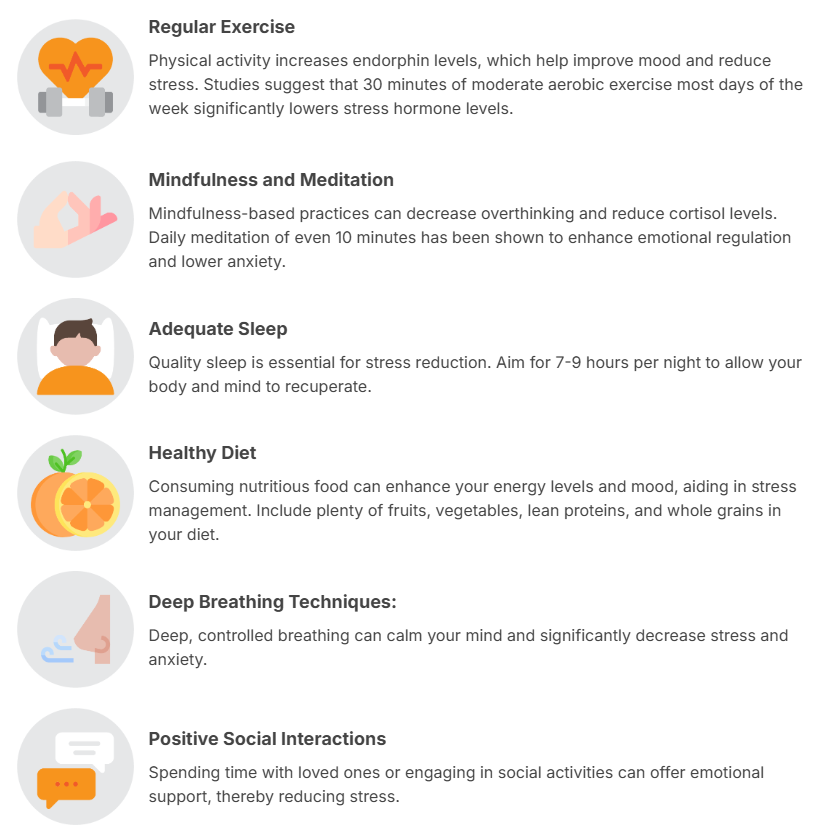
Effective Stress Reduction Techniques
Effectively reducing stress is vital for maintaining overall health and well-being. Here are some practical techniques:
Chapter 4
Building Personal Immunity
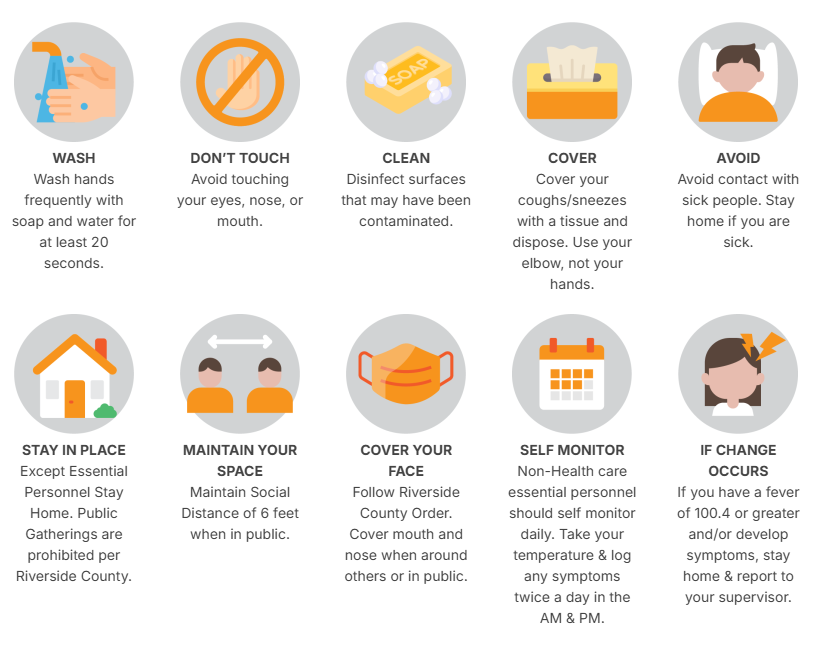
Improving personal immunity is essential, especially during periods of increased viral spread, such as the COVID-19 pandemic. Vaccination, including COVID-19 vaccines and booster shots, remains the most effective method for priming the immune system against specific pathogens. Vaccines help the body recognize and respond to threats more rapidly, preventing severe illness.
In addition to vaccination, various lifestyle strategies can support your immune system—such as maintaining a balanced diet, regular exercise, quality sleep, and managing stress.
However, there are also other non-vaccine methods that allow you to keep yourself healthy.
Sources:ehs.ucr.edu
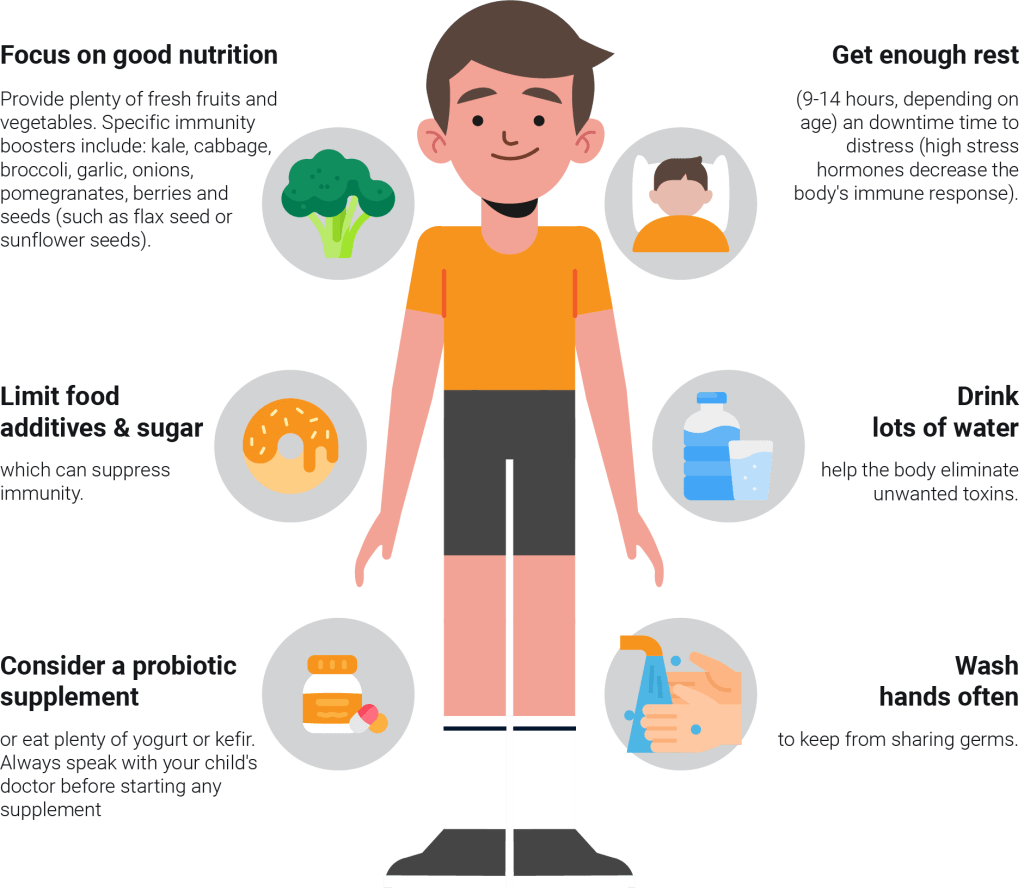
Boosting Your Child’s Personal Immunity
Attempting to keep your kids well this cold and flu season? Try these tips and an anti-flu smoothie to boost your child’s immune system. These work for you, too, mom and dad!
Sources: Mercy | LIVEUP
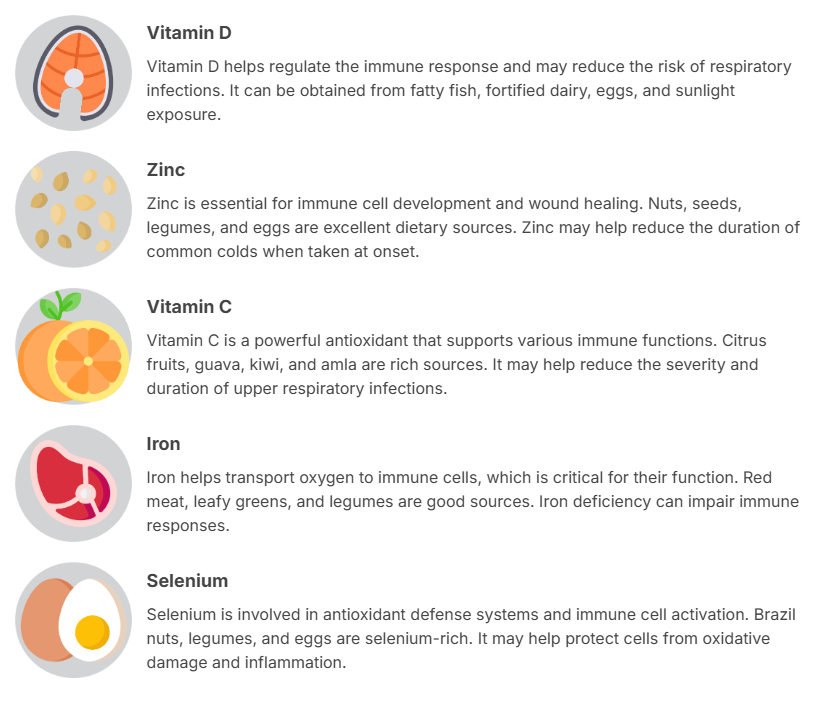
5 Nutrients to Boost Immune System
Sources: NetMeds
Source:verywellhealth.com
Chapter 5
Don’t Forget Supplements
Strengthening your immune system often requires more than just a balanced diet and lifestyle. That’s where Nano Singapore steps in. Featuring an award-winning proprietary formula, this supplement is meticulously designed to boost general health, vitality, and immune strength.
This advanced formulation combines the power of science and nature, providing you with the nutrients you need to enhance your body’s natural defenses. By integrating Nano Singapore’s supplements into your daily routine, you’re investing in your well-being, empowering your body to function at its peak.
Feel your best each day with the comprehensive support that Nano Singapore’s superior product provides. Remember, it’s not just about living, but living well.
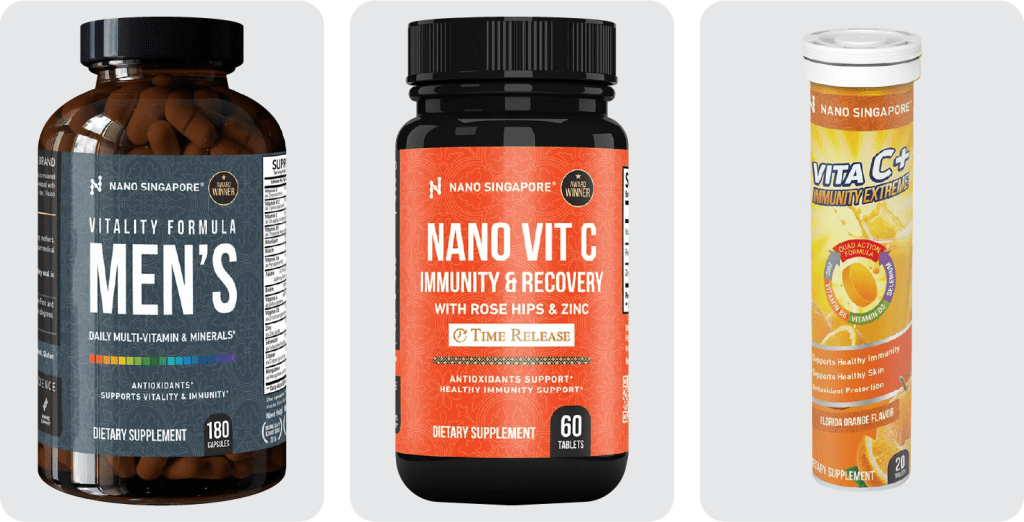
By supplementing with Nano Singapore’s advance formulated product, you’ll be feeling your best every day
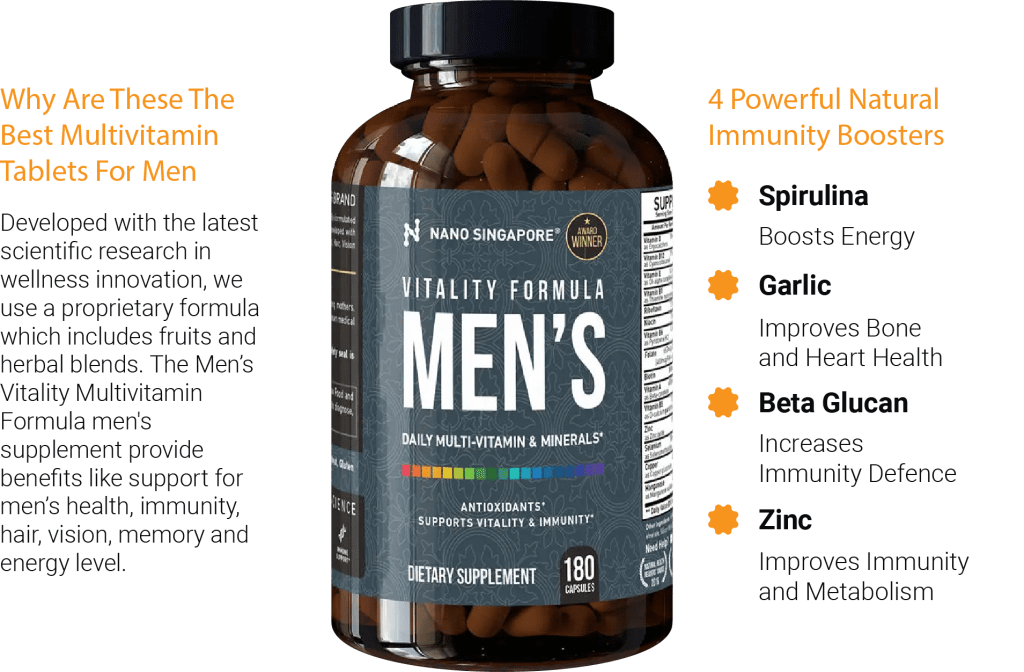
Multivitamin Capsule Benefits
A multivitamin is a supplement that contains a variety of vitamins and minerals from food sources. Taking a complete multivitamin formula for men daily can help us compensate for nutritional deficiencies and improve our health.
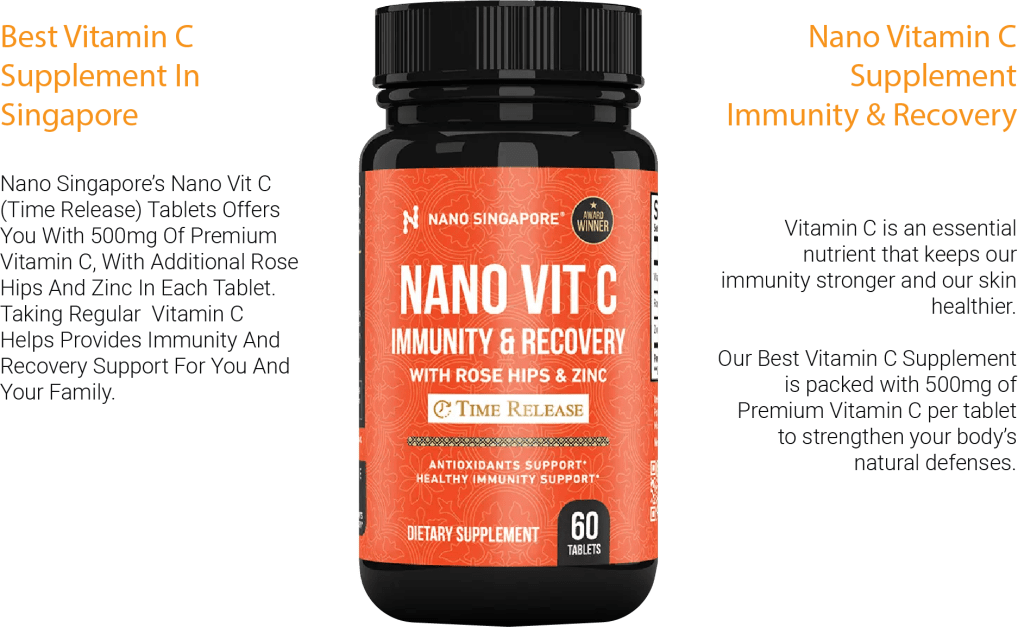
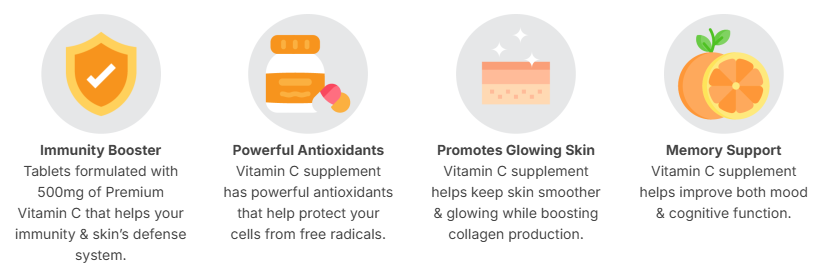
4 Amazing Benefits of Nano Vitamin C Supplement
Nano Vit C Immunity & Recovery (Time Release)
Effectively reducing stress is vital for maintaining overall health and well-being. Here are some practical techniques.
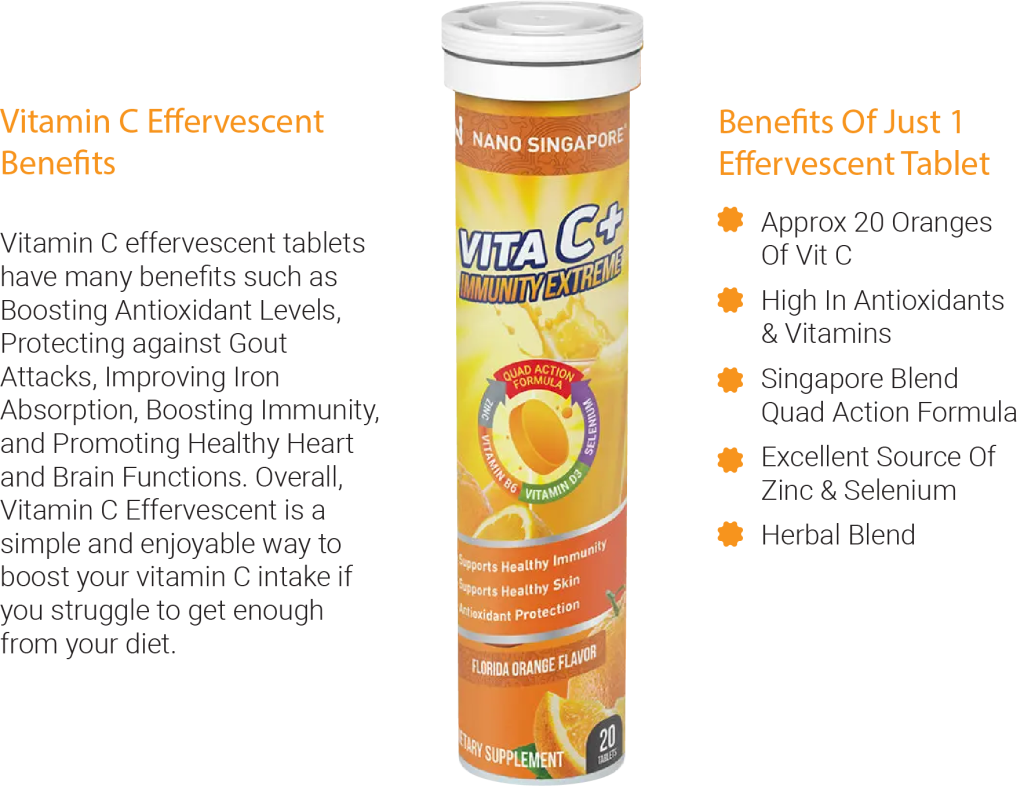
Singapore Crafted Blend With Quad Action Formula
Nano Singapore's Vita C+ Immunity Extreme
Chapter 6
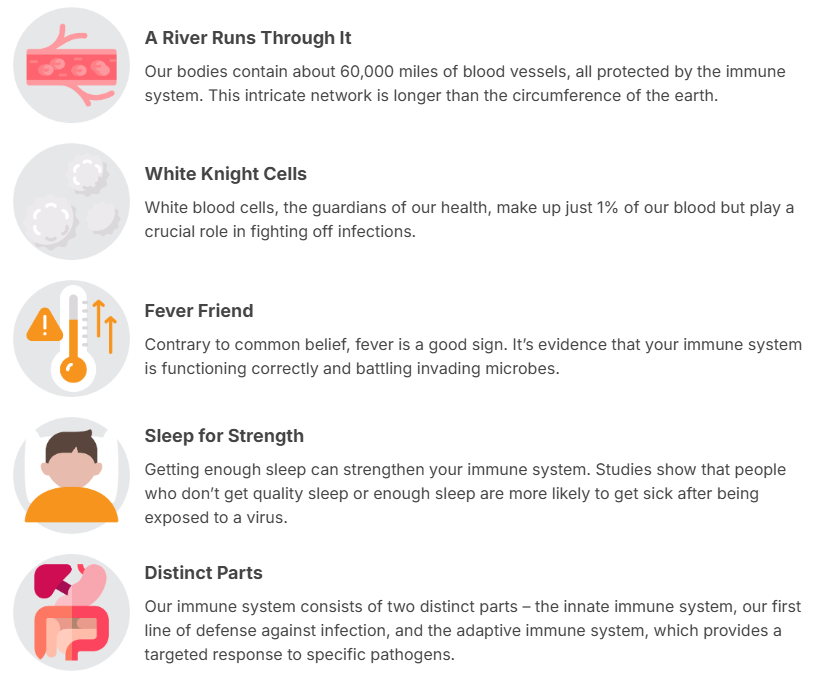
Immunity Fun Facts by the Numbers
Effective Stress Reduction Techniques
Chapter 7
A Final Word
The immune system is our body’s natural defense mechanism against disease-causing microorganisms. However, it’s not infallible and can be compromised due to various factors like stress, lack of sleep, poor nutrition, and lack of physical activity. Therefore, it’s crucial to take steps to boost our immunity and maintain optimal health.
One of the most effective ways to strengthen our immune system is by maintaining a healthy lifestyle. Regular physical activity, a balanced diet rich in fruits and vegetables, adequate sleep, and proper stress management can significantly enhance our immune function.
Supplements can also play a key role in supporting our immune health. Vitamins C, D, E, B6, and A, along with minerals like zinc, iron, selenium, copper, and folic acid, are particularly beneficial for our immune system. However, these should be taken as per recommended daily allowances and under professional guidance.
Moreover, keeping ourselves hydrated, minimizing our intake of processed foods, and avoiding smoking and excessive alcohol consumption can further contribute to a robust immune system.
References
2. Singh M, Das RR. Zinc for the common cold. Cochrane Database Syst Rev.
9. Sitorus HP, Silitonga M. The role of cortisol in the stress response. Int J Ecophysiol. 2025.
10. Marketon JIW, Glaser R. Stress hormones and immune function. Cell Immunol. 2008.