
- Lifestyle strongly affects immune health: diet, sleep, stress, and exercise directly impact immune defense. Chronic stress raises cortisol, weakening immunity; good sleep boosts infection resistance¹.
- Key nutrients and gut health are essential: Vitamins D, C, zinc, iron, selenium support immunity. Since 70% of immune cells are in the gut, probiotics like yogurt and fermented veggies aid immune regulation².
- Immune system has dual defense: innate system provides rapid, non-specific defense; adaptive system targets specific pathogens and builds memory for long-term immunity³30633-4).
Chapter 1
Mental Exercises and Brain Training
Importance of Mental Trainings To Improve Brain Functions
"Exercise is as good for the brain as it is for the body." Dr. John J. Ratey, MD, author of "Spark: The Revolutionary New Science of Exercise and the Brain,"
"Your brain is like a muscle; the more you exercise it, the stronger it gets." Idowu Koyenikan, Wealth for All: Living a Life of Success at the Edge of Your Ability
Regular mental training plays a significant role in enhancing cognitive functions such as memory, attention, and problem-solving. Just as physical activity improves muscular strength, mental exercises can strengthen neural connections and promote brain plasticity—the brain's ability to adapt and reorganize itself.
Research supports that activities like learning a new language, solving puzzles, or practicing mindfulness can stimulate brain regions responsible for critical thinking and emotional regulation. Over time, consistent mental engagement may help slow cognitive decline and improve overall mental performance.
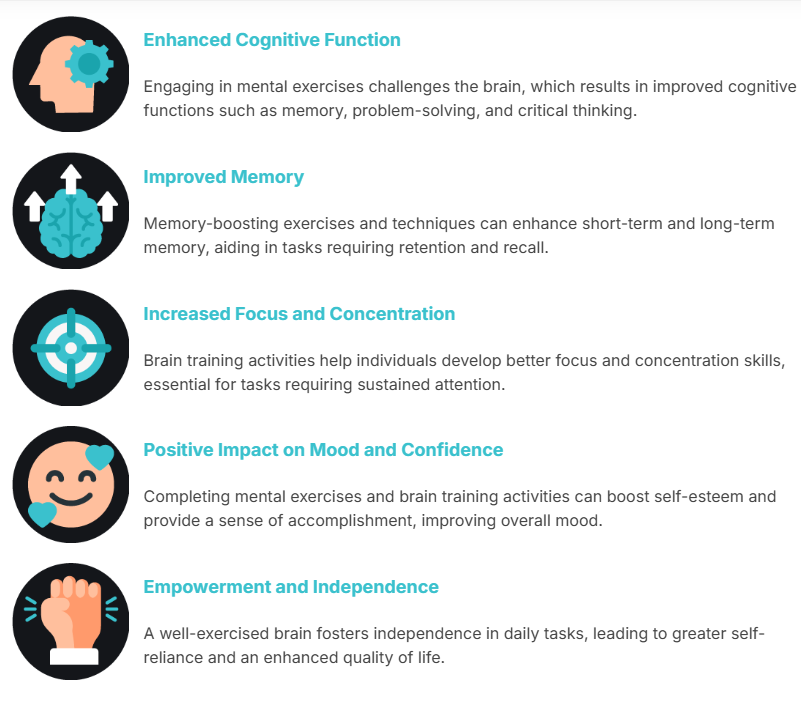
Here are Some

Critical Thinking Exercises
- Analyzing arguments and logical reasoning
- Engaging in debates or discussions
- Solving complex problems

Reading and Learning
- Reading books, articles, and academic materials
- Learning a new language
- Taking online courses or workshops

Mindfulness and Meditation
- Mindful breathing exercises
- Guided meditation sessions
- Body scan techniques

Puzzles and Brainteasers
- Crossword puzzles
- Sudoku
- Logic puzzles

Strategy Games
- Chess
- Strategy board games like Go or Risk
- Strategy video games

Memory Games
- Matching games
- Concentration games
- Memory card games
Your Brain On Exercise
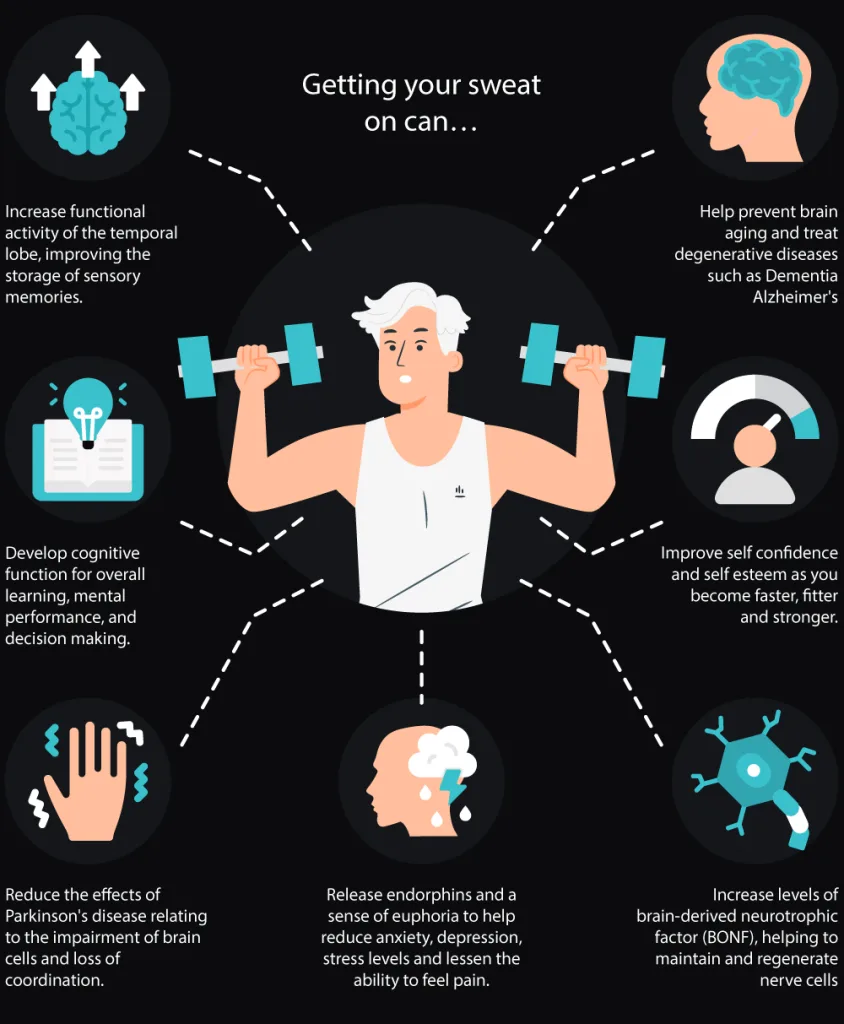
What Counts?
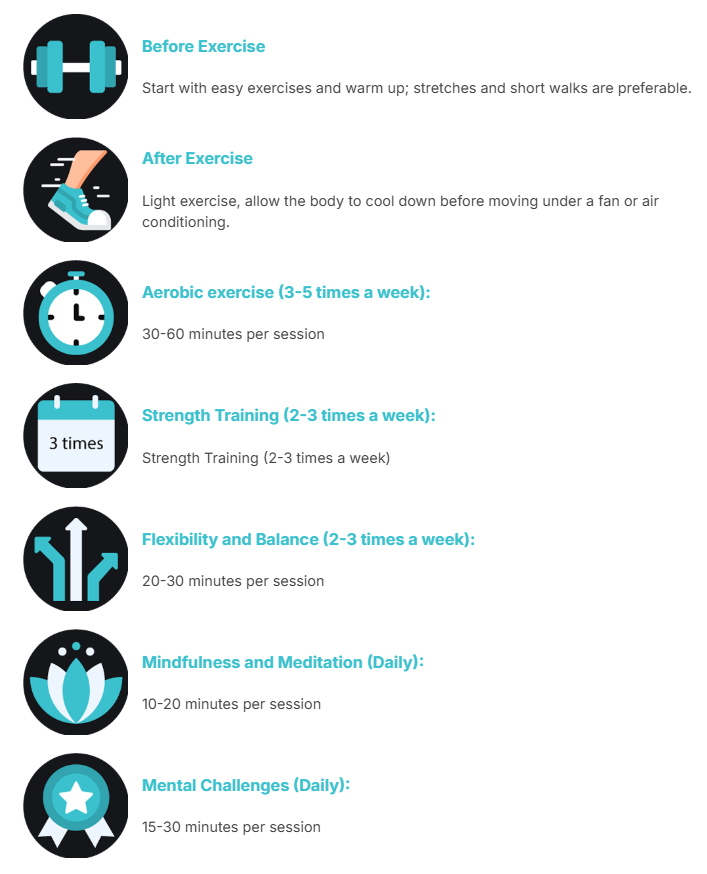
According to NHS England, adults should aim to be physically active every day. The recommended minimum is 150 minutes of moderate-intensity physical activity per week, which can be achieved through a variety of activities such as brisk walking, cycling, or dancing.
This level of activity contributes to improved cardiovascular health, mental well-being, and cognitive performance.
Exercise Plan For Cognitive Health / Mental Health
Consult a healthcare professional before starting. Set realistic goals and choose enjoyable activities.
Warm-up and maintain proper form. Gradually increase intensity, stay hydrated, and diversify your routine.
After, cool down, reflect, nourish, and rest.
Chapter 2
The Role of Diet in Brain Health
Diet plays a critical role in maintaining brain health, as the brain requires a continuous supply of energy and specific nutrients to function properly. Nutrient-dense foods rich in vitamins, minerals, omega-3 fatty acids, and antioxidants help support memory, focus, and long-term cognitive performance5.
For example, studies show that diets high in leafy greens, berries, nuts, and fatty fish are associated with a lower risk of age-related cognitive decline and neurodegenerative conditions such as Alzheimer's disease. These foods reduce oxidative stress and inflammation, which are two key contributors to cognitive aging6.
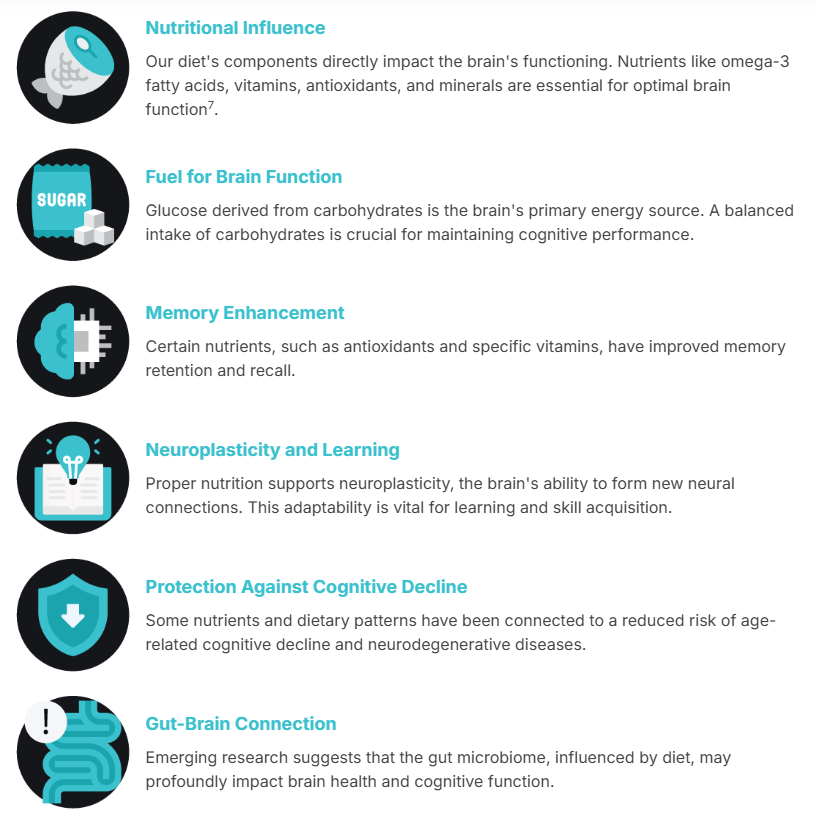
Nourish Your Brain With A Healthy Diet
Eating a balanced diet is essential for both heart and brain health. The foods you consume directly affect your memory, concentration, and mood.
By choosing nutrient-dense options such as leafy greens, berries, whole grains, nuts, and fatty fish, you can support optimal brain performance throughout life.
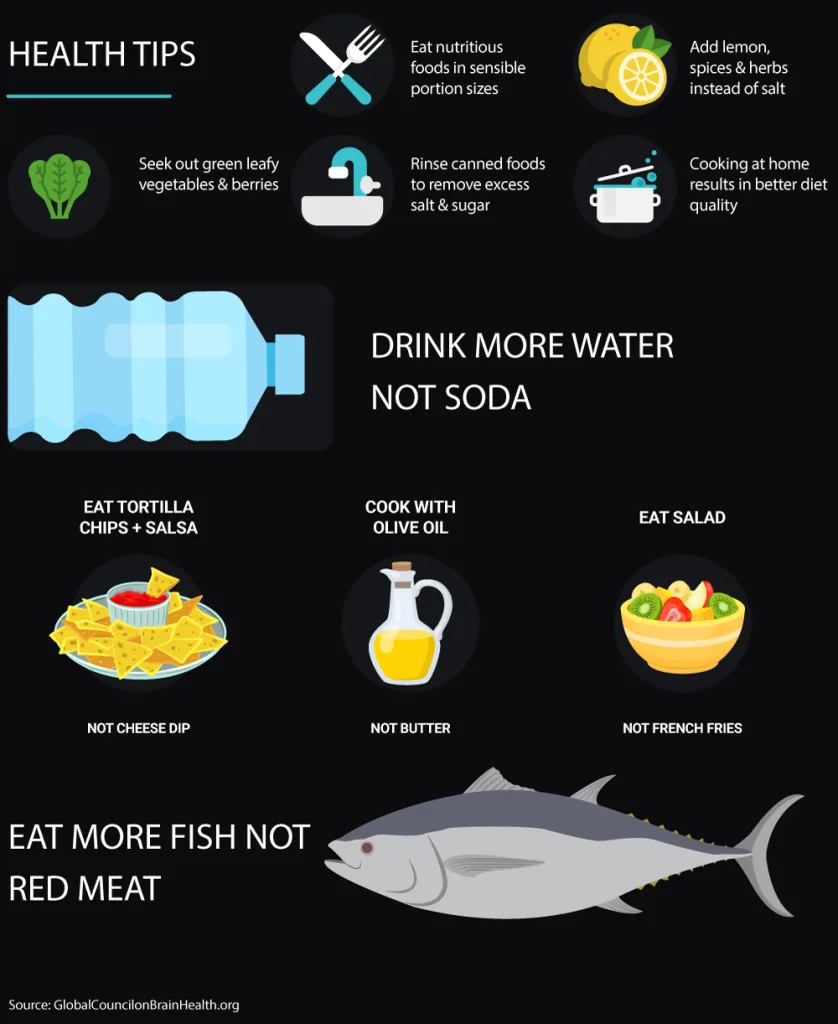
Potent Ingredients for Mental and Brain Health
Mind Diet 7 Day Meal Plan
| Day 1 | Day 2 | Day 3 | Day 4 | Day 5 | Day 6 | Day 7 | |
|---|---|---|---|---|---|---|---|
| Day 1 | Day 2 | Day 3 | Day 4 | Day 5 | Day 6 | Day 7 | |
| Breakfast | - 1/2 cup oatmeal with 1/2 cup strawberries | - Egg whites, 2 tsp olive oil - 3 oz turkey sausage.- 1 piece whole grain toast. | 1 whole grain protein pancake with light syrup | - Fruit smoothie with banana, kale, Greek yogurt, and honey | - 1/2 cup overnight oats with 1/2 cup blueberries and 1/3 cup cashews | - Avocado toast on 1 slice whole grain bread | - Quinca breakfast bowl- 1/2 cup quinoa, 1 tsp olive oil |
| Snack | - Greek yogurt with 1/3 cup shaved almonds | - 1/2 pita with hummus dip | - Multigrain crackers (1 serving) and bean dip | - 1/2 cup oatmeal with 1/2 cup strawberries | - 3 oz tuna salad and 1/2 cup sliced cucumber | - Cottage cheese and peaches | - Multigrain crackers (1) serving) and bean dip |
| Lunch | - Fiesta salad bowl. - 3 oz grilled chicken, 1/2 cup quinoa, 1/2 cup black beans, bell peppers, corn, red onion, cilantro, tomatoes, avocado.- Drizzle with 1 tsp olive oil and lemon juice. | - Large loaded baked potato with 1 cup kale side salad | - Bowl of lentil soup - 1/2 cup quinoa | Arugula and beet salad with grilled chicken 1/2 cup quinoa - Arugula and beet salad with grilled chicken - 1/2 cup quinoa - 1 tsp olive oil. | - Mushroom tacos - 1/2 cup pinto beans, 1/2 cup brown rice, 1/2 cup romaine, pico de gallo | - 1 whole grain flat bread pizza with 1/2 cup vegetables and 1/2 cup cooked spinach, 1 tsp olive oil | - Vegetable patty burger 1 cup romaine, tomato, onion, 1 tsp olive oil |
| Snack | - Sliced apples with 1 TBSP of almond butter | - 1/2 cup unsalted trail mix | - Banana drizzled with 2 TBSP peanut butter and cinnamon | - Guacamole and veggie chips | Nut and protein bar | - Guacamole and veggie chips | - 1 oz walnuts - 1 medium plum |
| Dinner | - 3 oz salmon with 1/2 cup brown rice, 1/2 cup broccoli, 1 tsp olive oil | - Chicken tacos- 1/2 cup corn - 1/2 cup black beans - 1 com tortilla | - 3 oz ground turkey, 2 tsp olive oil - Mashed potatoes, 1/2 cup green beans | - Shrimp - 1/2 cup whole grain pasta - Olives, 1/2 cup tomato, 1/2 cup steamed spinach, 1 tsp olive oil | - Turkey cobb salad- 1/2 cup brown rice, 2 tsp olive oil vinaigrette | - Chicken skewers- Brussels sprouts, 1/2 cup black bean salsa, 1/2 cup brown rice side, 1 tsp olive oil | - Ground turkey lettuce wraps.- 3 oz ground turkey, 1/2 cup brown rice |
| Snack | - Smoothie:- 1/2 cup frozen raspberries, 1 oz walnuts, 1/2 cup spinach, 1 scoop protein powder- Water and ice cubes | - Strawberries with non-fat whipped cream | - Carrot sticks with 1 TBSP almond butter | - Sliced pear with pecans and nutmeg | - Sorbet with pistachio topping | - Apple with 2 TBSP peanut butter | - 1/2 cup sliced bell peppers with guacamole |
Source: thegeriatricdietitian.com
Chapter 3
Quality Sleep and Cognitive Function
The Role of Quality Sleep in Cognitive Function
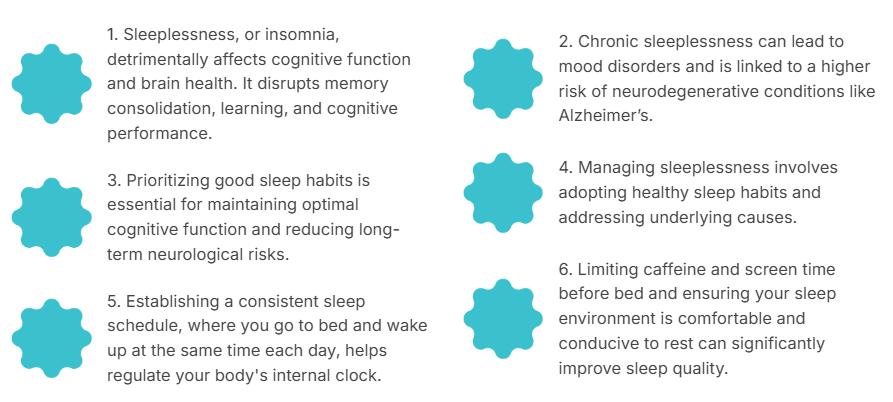
Quality sleep plays a fundamental role in maintaining cognitive function. During sleep—especially in the deep (slow-wave) and REM stages—the brain performs essential tasks such as memory consolidation, emotional processing, and toxin clearance through the glymphatic system.
Studies show that insufficient or poor-quality sleep negatively affects attention, decision-making, problem-solving, and emotional regulation. Chronic sleep deprivation is also associated with cognitive decline and increased risk of neurodegenerative diseases such as Alzheimer's.
Thus, sleep and cognition form a tightly linked system: well-rested individuals exhibit stronger learning capacity, memory retention, and mental resilience.
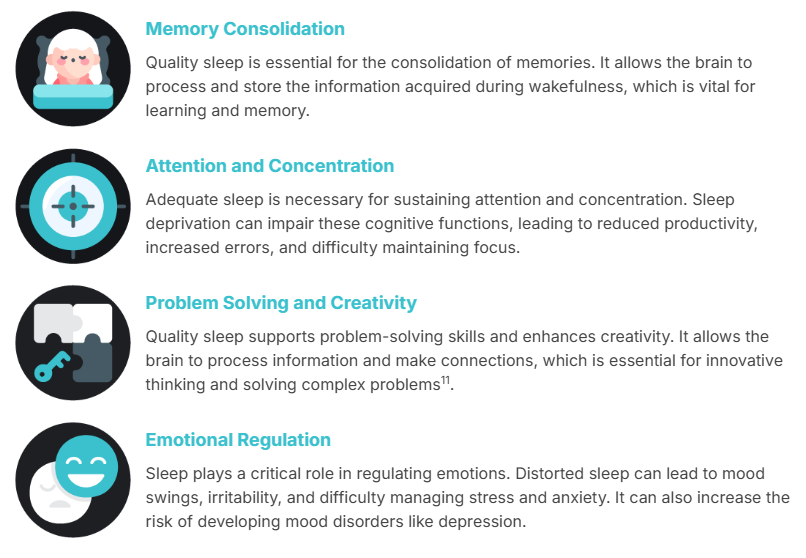
Impact of sleeplessness
Note: Creating a calming bedtime routine, including reading or gentle stretching, signals your body that it's time to wind down.
Managing stress through meditation, deep breathing, or relaxation exercises can alleviate insomnia. If sleeplessness persists, consulting a healthcare professional can help identify and address any underlying medical or psychological factors contributing to the issue.
When to seek medical help for brain health?

Seek medical help for brain health
If there is persistent and unexplained memory loss, significant alterations in cognitive function, and severe headaches accompanied by other neurological symptoms.
Additionally, difficulties with Balance leading to frequent falls, sudden and drastic changes in vision, and new or changing seizures should prompt immediate medical evaluation.
Loss of consciousness or unexplained fainting episodes, especially when recurrent, warrant attention. Moreover, any neurological symptoms following a head injury, even seemingly minor ones, should not be overlooked.
Chronic sleep disturbances and a gradual decline in cognitive function over time also require medical assessment. Many individuals tend to overlook these symptoms, dismissing them as minor inconveniences.
However, it is of paramount importance to address them promptly. Ignoring persistent and unexplained memory loss, significant changes in cognitive function, or severe headaches with neurological symptoms can lead to potential complications.
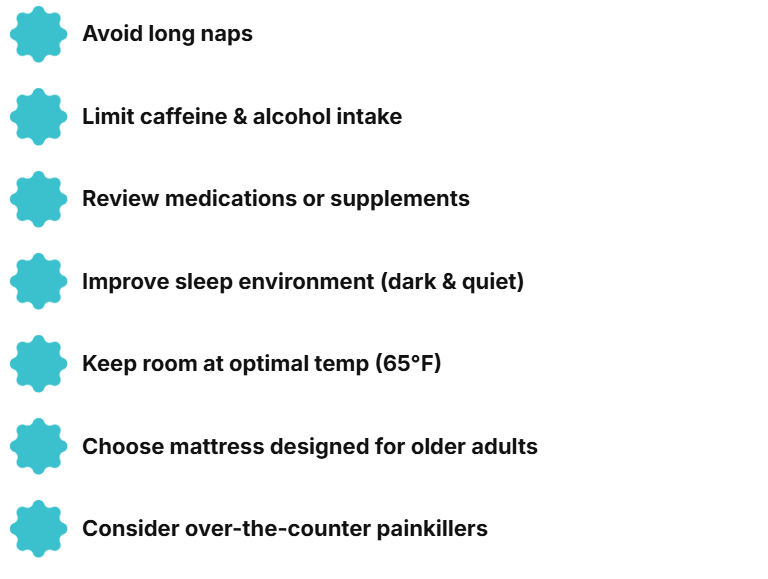
Helpful Sleeping Tips For Seniors
Chapter 4
Social Engagement and Cognitive Well-Being
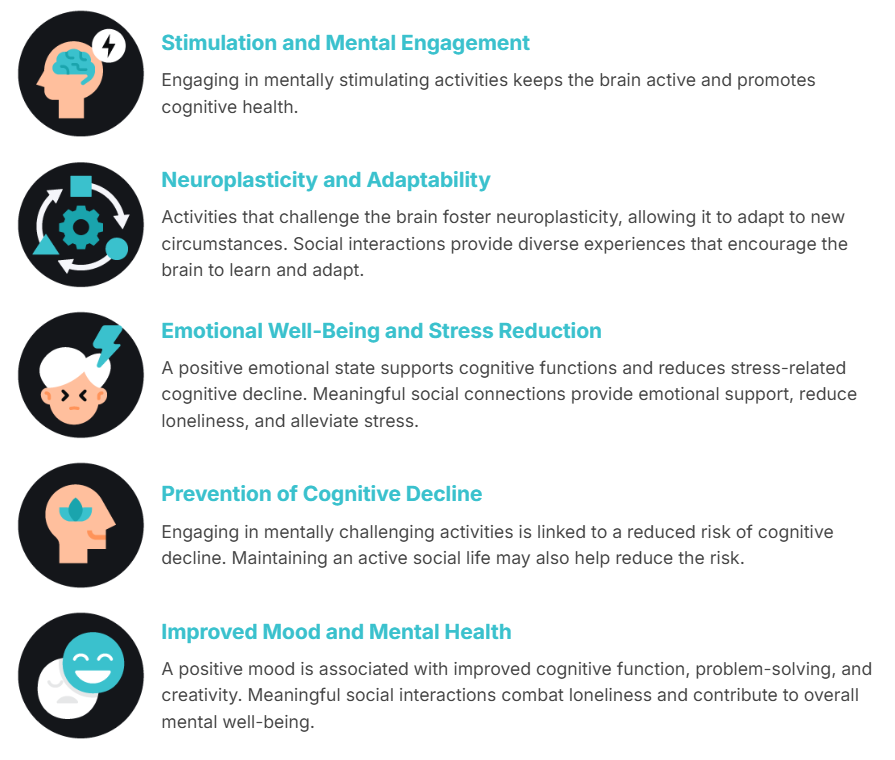
Social engagement plays a vital role in promoting cognitive well-being, especially as we age. Interacting with others stimulates mental processes such as memory, language, attention, and emotional regulation. Studies have shown that individuals with strong social networks have a lower risk of cognitive decline and dementia.
Activities such as group discussions, volunteering, and social games encourage continuous learning, problem-solving, and emotional resilience, all of which are essential for maintaining a healthy brain.
Tips For Coping With Loneliness
A 2020 study by Cigna reported that 61% of U.S. adults felt lonely—highlighting a growing public health issue. Loneliness is not just emotional; it can increase the risk of depression, anxiety, and even cardiovascular problems.


Source: Rush, Verywell Mind
What Can Potentially Isolate Older Adults?
Social isolation contributes to cognitive decline in older adults. What makes them vulnerable?
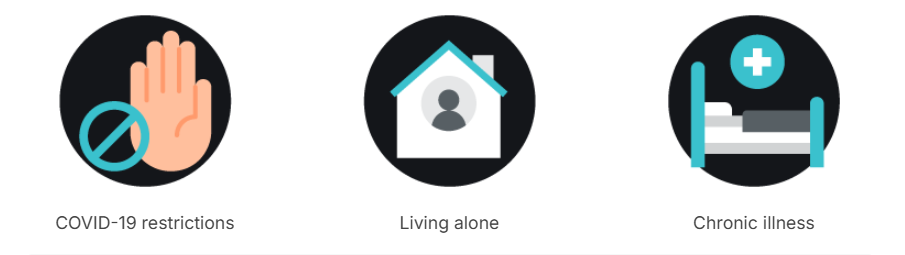
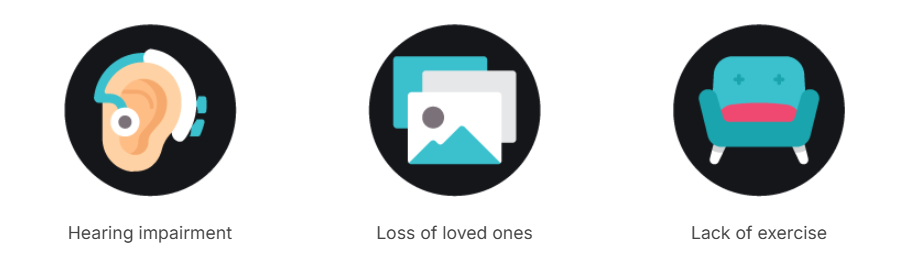
Source: Rush, Verywell Mind
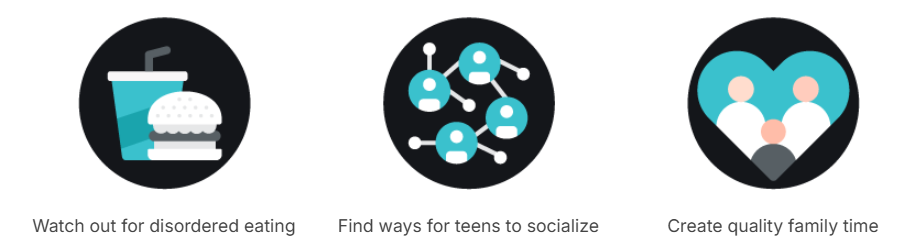
Social Isolation And Teens: How Parents Can Help
Social isolation threatens normal adolescent development, and no two teens are alike. How can parents help?
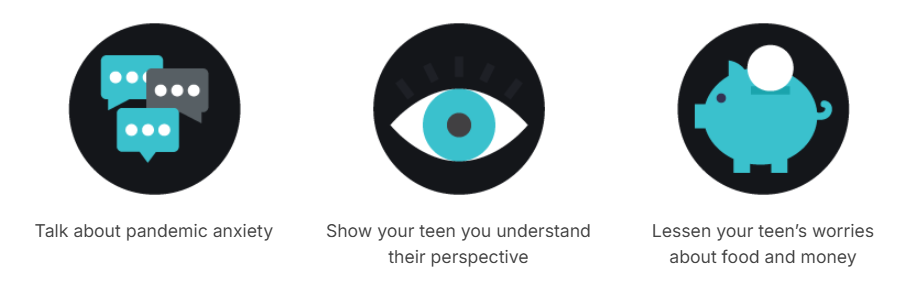

Source: Rush, Verywell Mind
Chapter 5
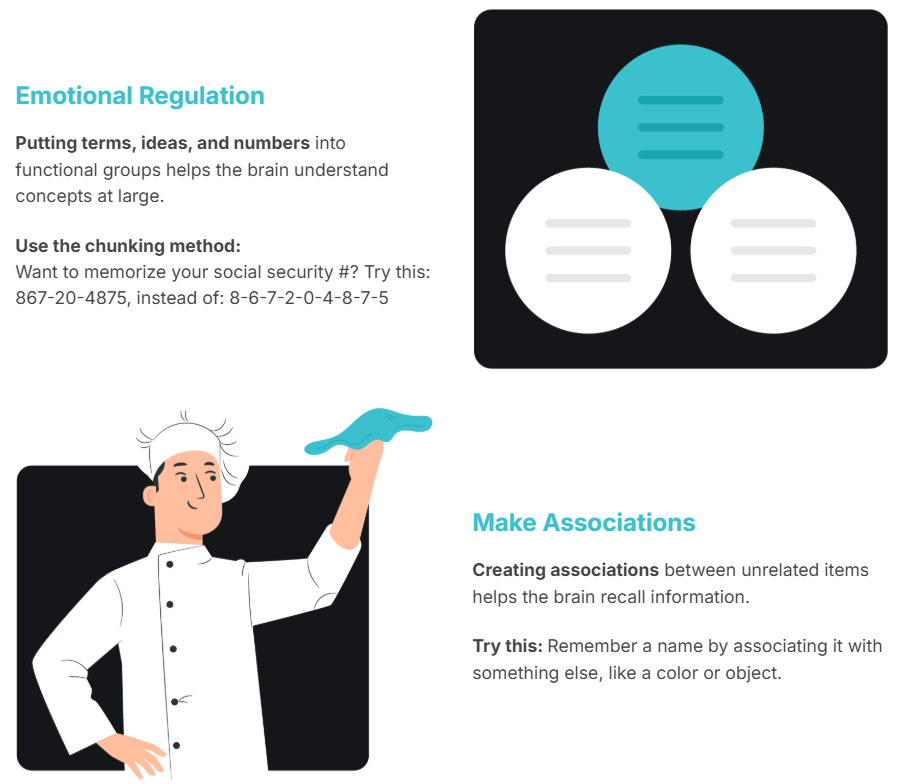
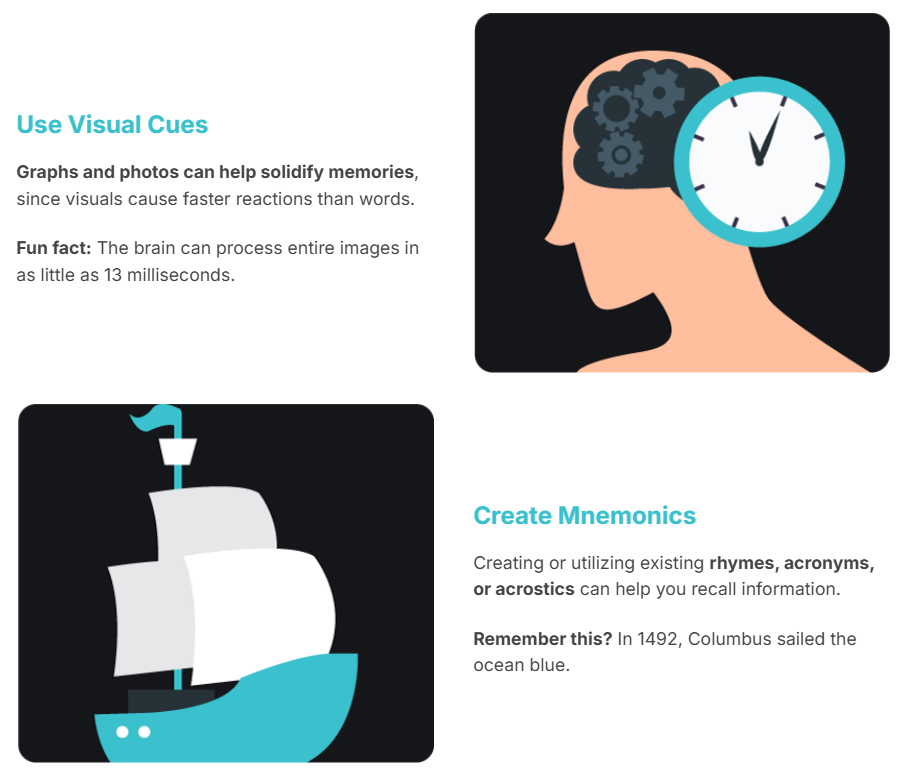
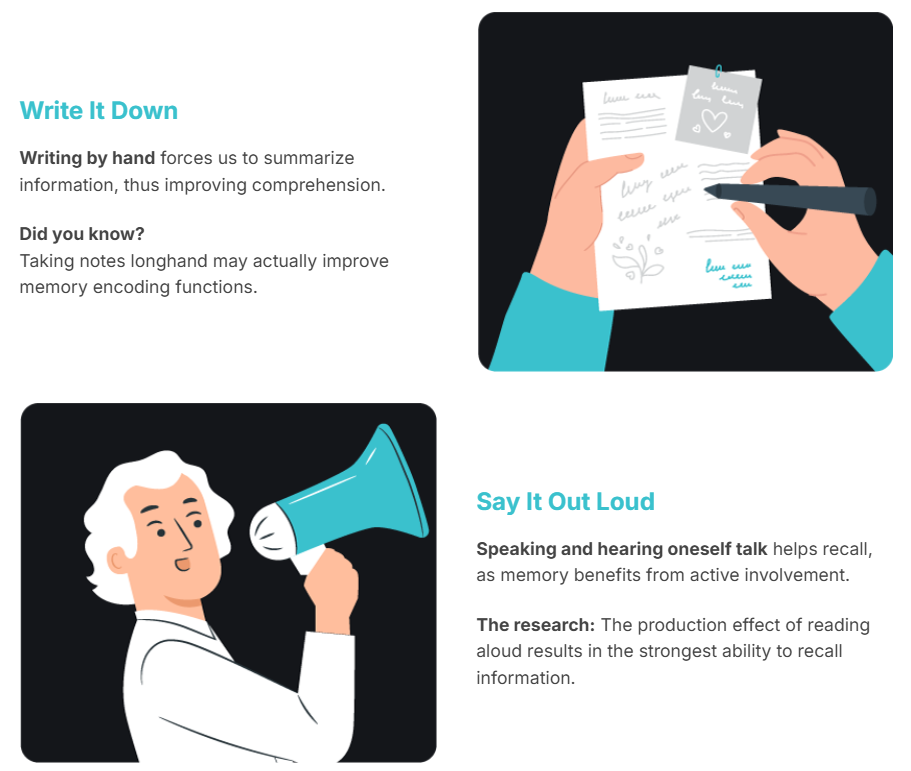
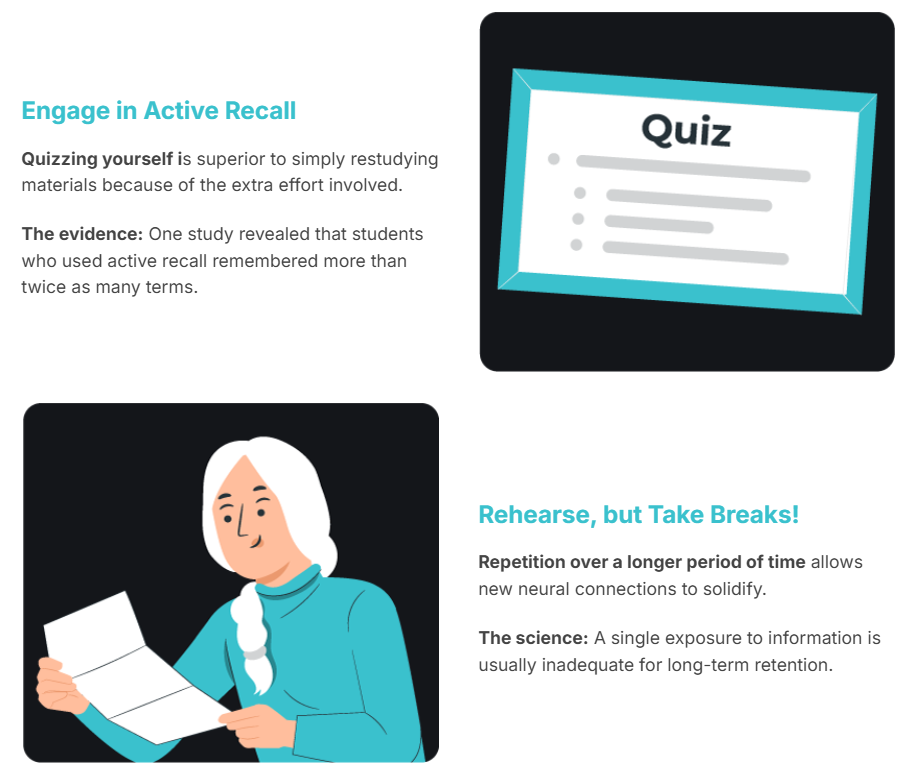
8 Techniques for Memorizing Information
Source: Rush, Verywell Mind
Role of Music to Improve Cognitive Health
Music plays a powerful role in supporting cognitive health across all ages. Listening to or playing music activates multiple brain areas simultaneously—particularly those involved in memory, attention, language, and emotion.
For individuals with cognitive disorders such as dementia or Alzheimer's, music can trigger emotional responses and unlock long-term memories. Clinical studies show that music therapy reduces anxiety and agitation in patients with neurodegenerative diseases.
Learning a musical instrument enhances neuroplasticity, which is essential for forming new neural connections and retaining information. Moreover, group musical activities foster social connection and a sense of purpose.
Music also contributes to stress reduction by lowering cortisol levels, indirectly protecting cognitive function. Lastly, rhythmic elements in music have been shown to aid in pain management and motor coordination, particularly in Parkinson's patients.

Methods For Assessing Brain Health
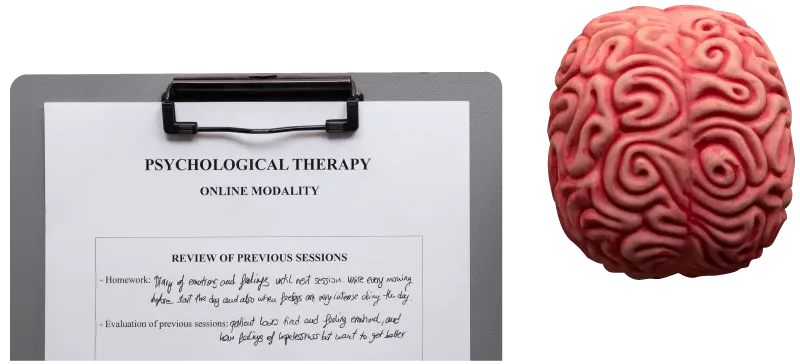
Evaluating brain health requires a comprehensive approach. This entails a combination of medical tests. These methods provide valuable insights into cognitive function and brain structure, enabling healthcare professionals to make informed assessments and tailored recommendations for maintaining or improving brain health.
Medical history and physical examinations delve into an individual's past health conditions, family history, and lifestyle choices. This uncovers crucial information about risk factors that may impact brain health, such as cardiovascular issues, previous head injuries, or genetic predispositions.
Neuropsychological testing is a specialized assessment that evaluates cognitive functions like memory, attention, language proficiency, and problem-solving abilities. These tests comprehensively understand an individual's cognitive strengths and areas that may require intervention or support.
Imaging studies, including MRI and CT scans, offer intricate visual insights into the brain's structure. They enable the detection of structural irregularities or abnormalities, aiding in diagnosing conditions like tumors, strokes, or degenerative disorders. This information is pivotal in determining appropriate treatment and management strategies.
Blood tests measure vital factors like glucose and cholesterol, reflecting metabolic health. Elevated levels may signal glucose metabolism or vascular function issues, which can impact cognitive well-being. These tests offer essential information about the physiological state of the brain and guide interventions to support optimal cognitive function.
Genetic testing identifies neurological condition-associated genetic variations, and mental health assessments evaluate emotional well-being. This comprehensive methodology enables healthcare professionals to efficiently gauge and address various facets of brain health.
Chapter 6
Don't Forget Supplement
Supplements play a pivotal role in supporting brain health for various reasons. Firstly, they bridge nutrient gaps in our diets, ensuring the brain receives a consistent supply of essential vitamins, minerals, and other crucial compounds. This is especially important when obtaining all necessary nutrients solely from food sources is challenging.
Additionally, supplements are instrumental in meeting specific health needs, catering to unique requirements during pregnancy, aging, or for individuals following specialized diets. For those with high activity levels, such as athletes, supplements can enhance performance and aid in post-exertion recovery.
Moreover, they allow for targeted support of particular health goals, ranging from cardiovascular health to cognitive function and immune support. When used judiciously and under professional guidance, supplements act as valuable compliments to a balanced diet, serving as a supportive measure for overall well-being, which includes the crucial aspect of cognitive function.
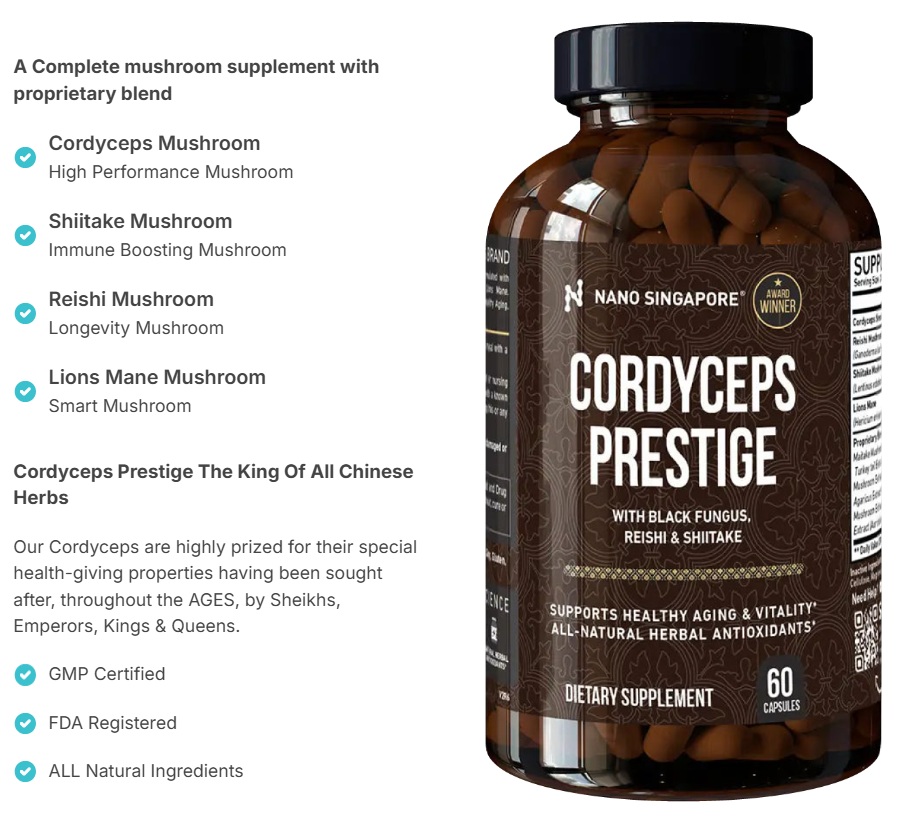
Award-Winning Proprietary Formula
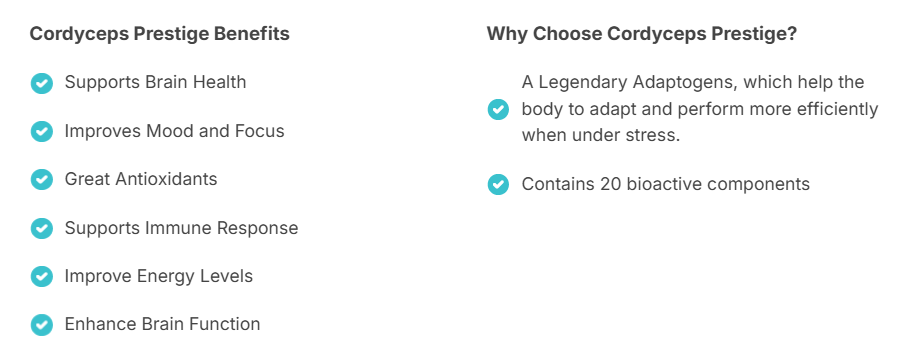
Active formula designed to support brain health, mood, focus and energy levels.



By supplementing with Nano Singapore's advance formulated product, you'll be feeling your best every day.
Nano Singapore Cordyceps Prestige
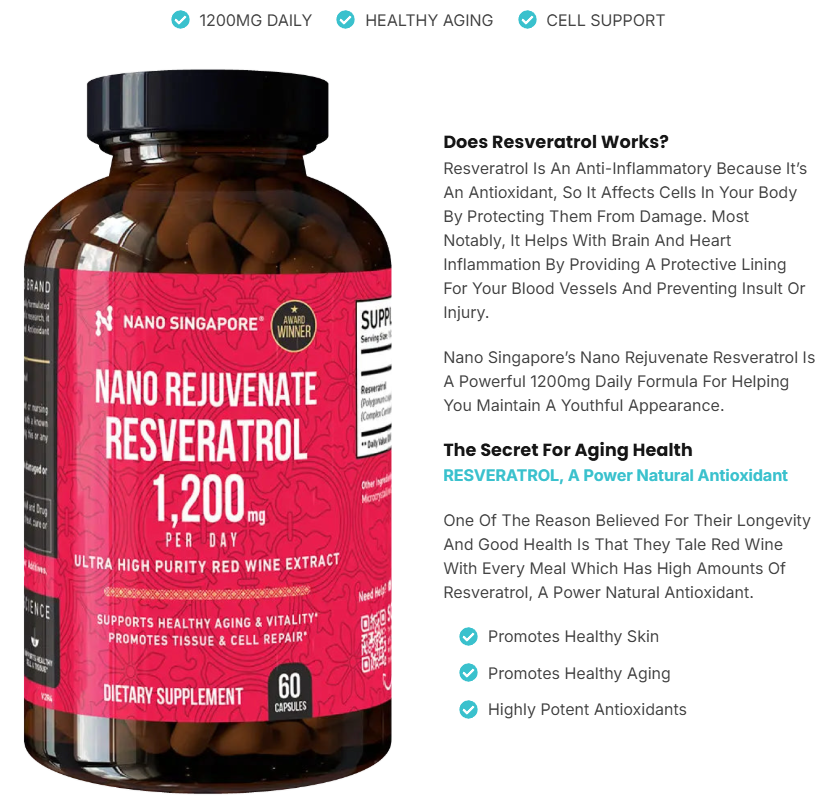
Nano Singapore - Nano Rejuvenate Resveratrol
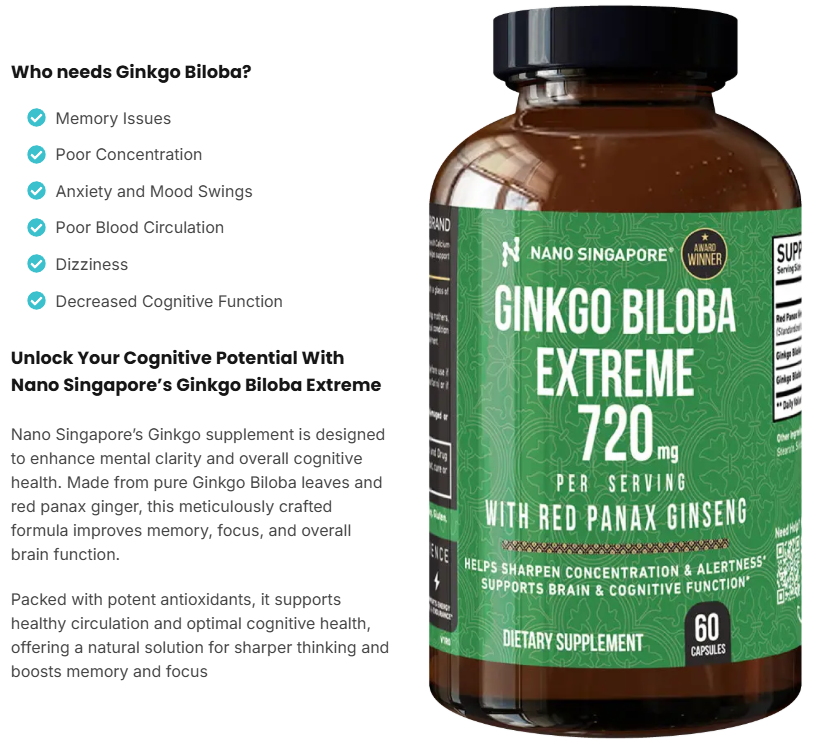
Nano Singapore - Ginkgo Biloba Extreme
Chapter 7
Cognitive Fun Facts By The Numbers
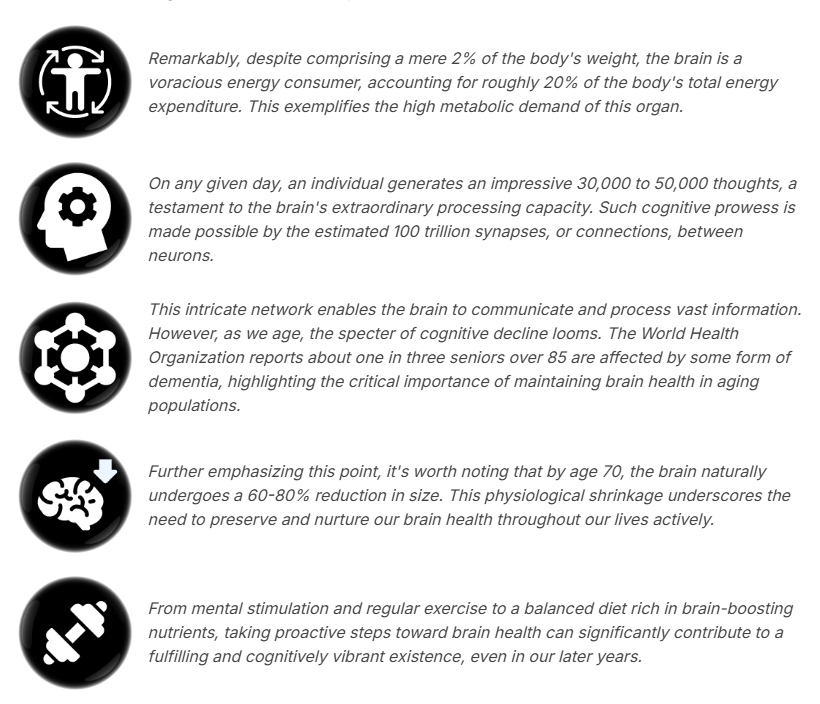
The adult human brain, a marvel of biological engineering, boasts 86 billion neurons. These neurons intricately form a complex network that facilitates communication and processes information, enabling us to think, learn, and perceive the world around us.
Chapter 8
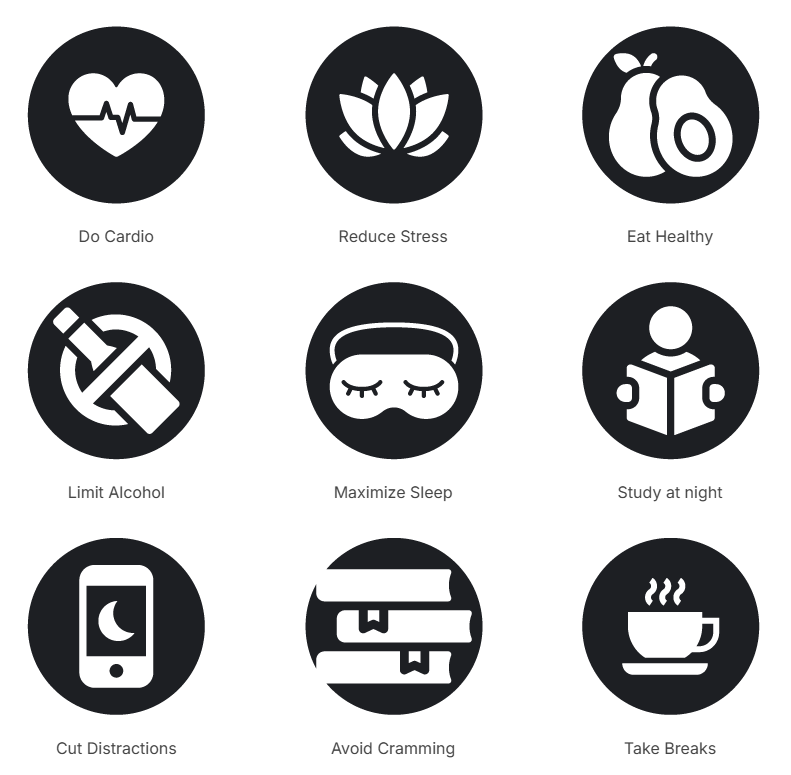
Tips and Tricks to Improve Memory & Recall
References
- Shao T, Verma HK, Pande B, Costanzo V, Ye W, Cai Y, Bhaskar LVKS. Physical activity and nutritional influence on immune function: an important strategy to improve immunity and health status. *Frontiers in Physiology*. 2021;12:751374.
- Ashraf R, Shah NP. Immune system stimulation by probiotic microorganisms. Critical Reviews in Food Science and Nutrition. 2014;54(7):938-956.
- Netea MG, Schlitzer A, Placek K, Joosten LA, Schultze JL. Innate and adaptive immune memory: an evolutionary continuum in the host’s response to pathogens. *Cell Host & Microbe*. 2019;25(1):13-26.30633-4)
- Park DC, Bischof GN. The aging mind: neuroplasticity in response to cognitive training. *Dialogues in Clinical Neuroscience*. 2013;15(1):109-119.
- Ekstrand B, Scheers N, Rasmussen MK, Young JF, Ross AB, Landberg R. Brain foods—the role of diet in brain performance and health. *Nutrition Reviews*. 2021;79(6):693-708.
- Walters M, Hackett K, Caesar E, Isaacson R, Mosconi L. Role of nutrition to promote healthy brain aging and reduce risk of Alzheimer’s disease. *Current Nutrition Reports*. 2017;6(2):63-71.
- Freemantle E, Vandal M, Tremblay-Mercier J, Tremblay S, Blachère JC, Bégin ME, et al. Omega-3 fatty acids, energy substrates, and brain function during aging. *Prostaglandins, Leukotrienes and Essential Fatty Acids*. 2006;75(3):213-220.
- Spencer JP. The impact of flavonoids on memory: physiological and molecular considerations. *Chemical Society Reviews*. 2009;38(4):1152-1161.
- Ruxton CHS. The impact of caffeine on mood, cognitive function, performance and hydration: a review of benefits and risks. *Nutrition Bulletin*. 2008;33(1):15-25.
- Carey AN, Poulose SM, Shukitt-Hale B. The beneficial effects of tree nuts on the aging brain. *Nutrition and Aging*. 2012;1(1):55-67.
- Gilley RR. The role of sleep in cognitive function: the value of a good night’s rest. *Clinical EEG and Neuroscience*. 2023;54(1):12-20.