- A 5–10% weight loss can cut blood pressure by 5 mmHg, lower LDL cholesterol by 10%, and improve glucose¹.
- Extreme diets often cause up to 25% muscle loss and reduce metabolic rate, raising the risk of rapid weight regain².
- Mindfulness-based programs cut emotional eating by up to 31% and improve weight regulation³.
Chapter 1
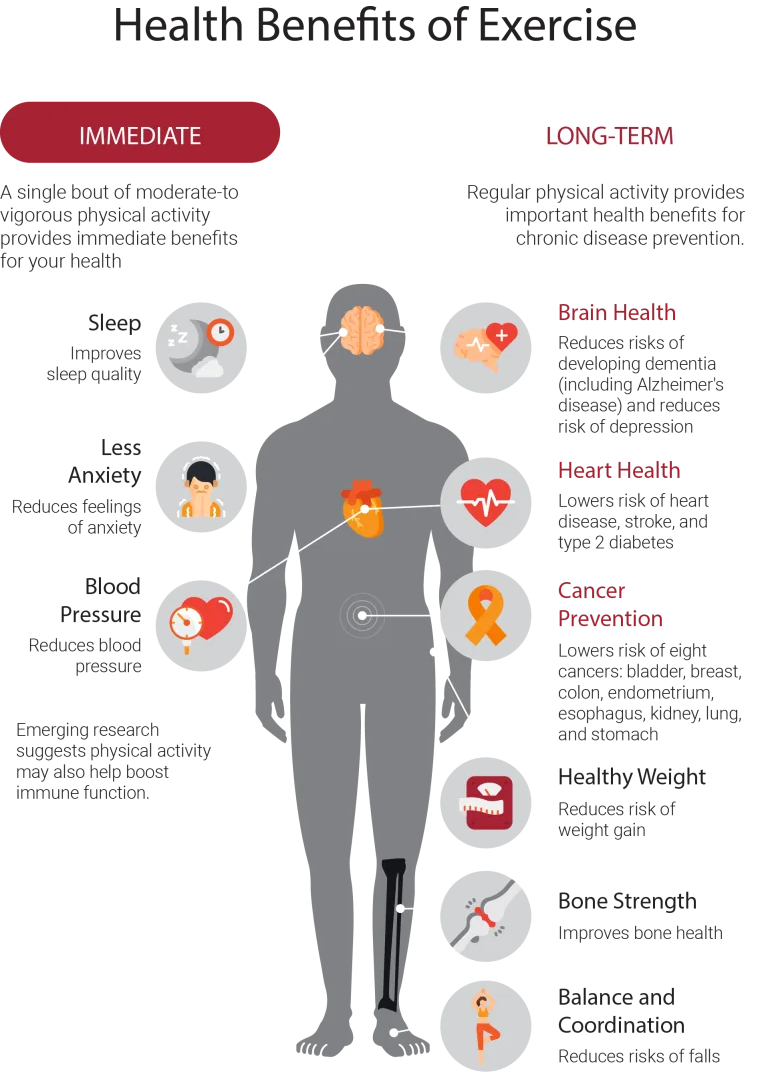
Health Benefits of Exercise
- IMMEDIATE: A single bout of moderate-to vigorous physical activity provides immediate benefits for your health.
- LONG-TERM: Regular physical activity provides important health benefits for chronic disease prevention.
Should I do LISS cardio or a HIIT workout?
When deciding who is the better runner, the race distance matters. Sprinters excel in short bursts, like a 200-meter dash, relying on explosive speed and fast-twitch muscle fibers, whereas marathoners thrive over long distances, such as an 18-mile run, benefiting from endurance and efficient oxygen use⁷.
The same principle applies to choosing between high-intensity interval training (HIIT) and low-intensity steady-state (LISS) cardio. There is no one-size-fits-all winner; the best approach depends on your fitness goals, whether it is improving cardiovascular health, burning fat, or building stamina.
So, what sets HIIT apart from LISS? HIIT alternates between short bursts of maximal effort and periods of rest or low-intensity activity. For example, a typical routine might involve:
- 30 seconds of all-out effort followed by 30 seconds of rest
- 45 seconds of vigorous activity with 15 seconds of recovery
- A Tabata-style session of 20 seconds intense exercise and 10 seconds rest
Studies show that HIIT can burn up to 25–30% more calories in the same time frame compared to traditional steady-state cardio⁹.
In contrast, LISS cardio involves sustained, moderate activities such as brisk walking, light jogging, or cycling at a comfortable pace. While it may burn fewer calories per minute than HIIT, LISS is easier to sustain for longer durations and is highly effective for building aerobic endurance and promoting fat metabolism over time⁷.
Ultimately, the choice between HIIT and LISS should be guided by your goals, fitness level, and personal enjoyment. Many fitness enthusiasts find that combining both approaches provides the best of both worlds: intensity for calorie burn and endurance for stamina⁸.
What's better: high-intensity or low-intensity training?
HIIT
- Revs metabolism
- Shortens time spent working out
- Burns more calories in less time
- Helps build lean muscle mass
- Improves athletic performance
- After-burn effect burns calories for 12–48 hours
Low-intensity exercise
- A good way to ease into exercise
- Allows you to work out for longer
- Burns calories
- Improves bone density
- Healthy aging
- Improves ability to perform daily activities
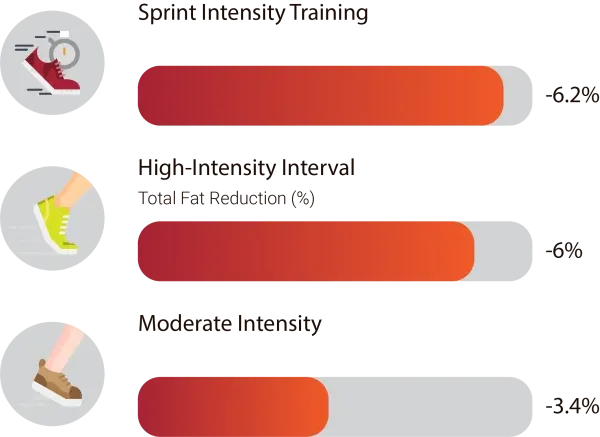
High Intensity Interval Training vs. Sprint Interval Training for Fat Loss
Traditionally, running has been one of the most common fitness routines, with many people enjoying a brisk run around their neighborhood. However, recent studies suggest that alternating between high-energy spurts and moderate activity can be extremely efficient, sometimes even more so than steady runs.
A review of 36 different studies comparing fat loss outcomes found that participants performing high-intensity intervals or sprints experienced up to twice the fat loss compared to those doing regular moderate-intensity workouts. This means that short bursts of intense effort can accelerate calorie burn and improve body composition more effectively than a traditional long jog¹⁰.
Therefore, if your goal is weight loss or improving fitness quickly, incorporating short, intense sprints or interval sessions may be more effective than sticking solely to steady-paced runs.
Doing your own HITT Workout at home
Incorporating a daily HIIT workout at home ranks among the top methods for shedding weight effectively.
HIIT routines stand out for their efficiency, offering significant fitness progress in a compressed timeframe. They're a top-tier choice for maximizing your workout efforts, especially if you're aiming to enhance both muscle strength and aerobic capacity concurrently.
HITT For Beginners
You can also consider this Beginner HIIT program designed for individuals who are new to fitness or are starting out. Begin at a comfortable pace to get the form right, which should be your initial target.
Pay attention to your breathing, muscle engagement, and overall strength. When you feel ready, try to increase the number of rounds and pick up the pace for optimal outcomes. It was designed by a company called SquatWolf.
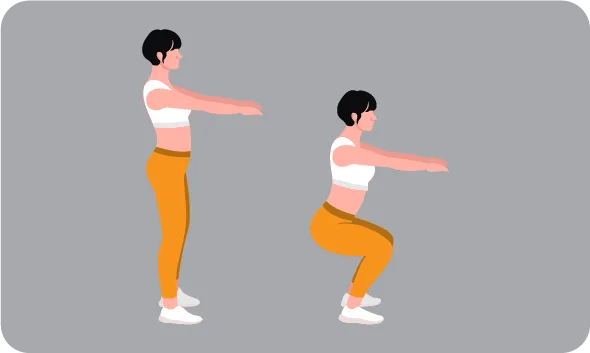
Squats x8
Impact
Quads, Glutes, Hamstring, Abs
- Look straight
- Bend your knees to 90 degrees
- Keep your back straight
- Keep your shoulders and feet aligned
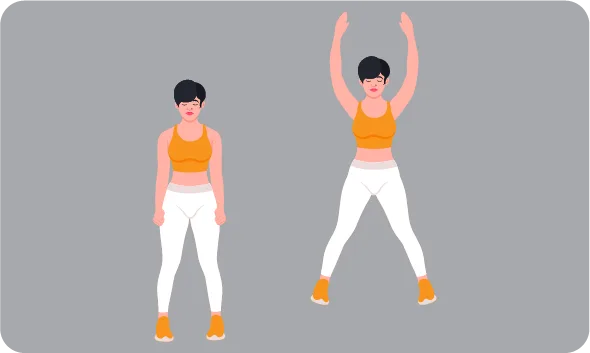
Jumping Jacks x8
Impact
Delts, Glutes, Traps
- Jump to the second position
- Widen legs on a comfortable position
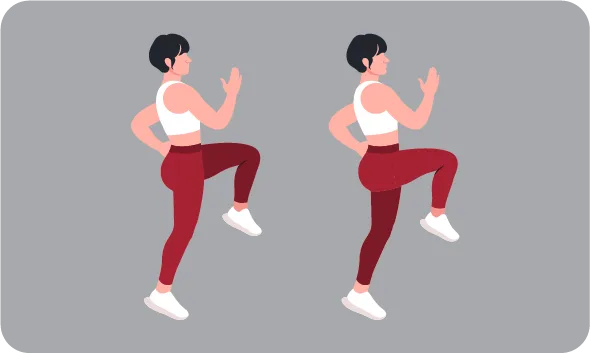
Jumping Jacks x8
Impact
Shins, Glutes, Hamstring, Calves, Quads
- Keep your position straight
- Knees should go higher than hips
- Land on toes to prevent injury
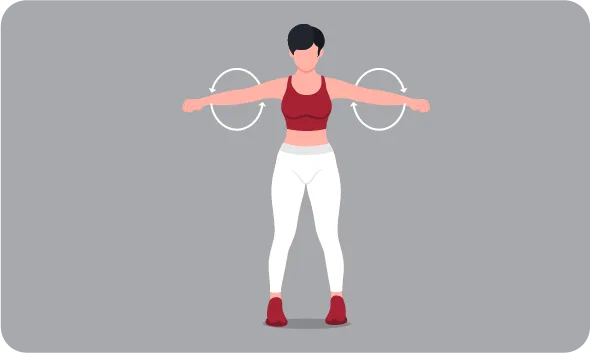
Arm Circles x8
Impact
Delts, Traps
- Keep hands straight
- Circle movements in both directions, 8 times each
- Land on toes to prevent injury
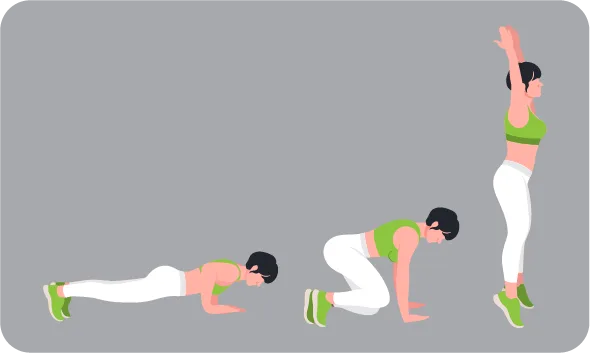
Burpees
Impact
Whole Body
- Do one push-up with straight back
- Get into squat position and jump with hands high
- Repeat after landing on toes
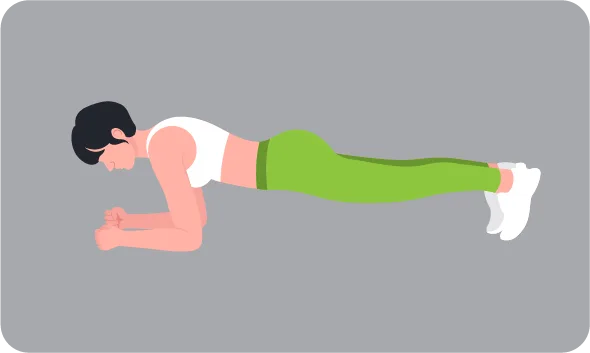
Basic Planks
Impact
Shoulders, Abs, Oblique, Quads
- Keep your elbows and shoulders aligned
- Keep your back and torso straight
- Make sure no sagging or bending
Chapter 2
Importance Of Portion Control
Since calories come from food, and to lose weight, you need to either eat less or exercise more, or both. And if you eat more than your body uses, it turns into fat.
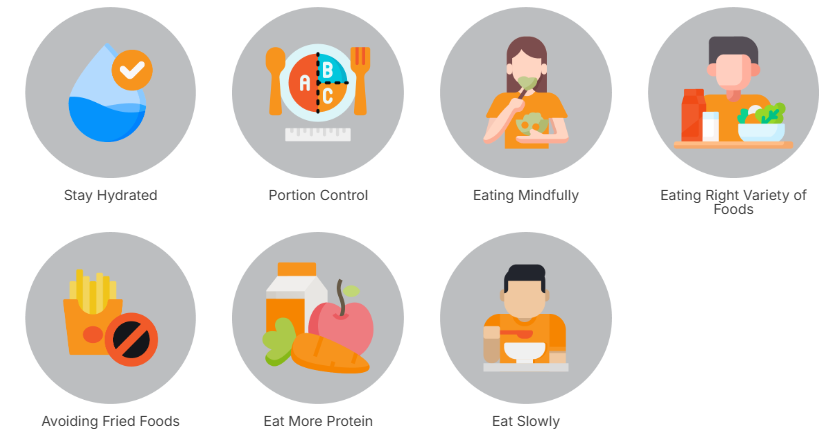
Here the question arises, how much you should eat? Knowing how much you should eat is important for managing weight. Portion control doesn't mean cutting back on food but finding a balance by making smarter choices and being aware.
Portion control is not about starving: though you can also enjoy different foods without overeating. It is an easy and effective strategy without following strict diet plans. Therefore, controlling what you eat and staying active are the key to shedding your extra weight.
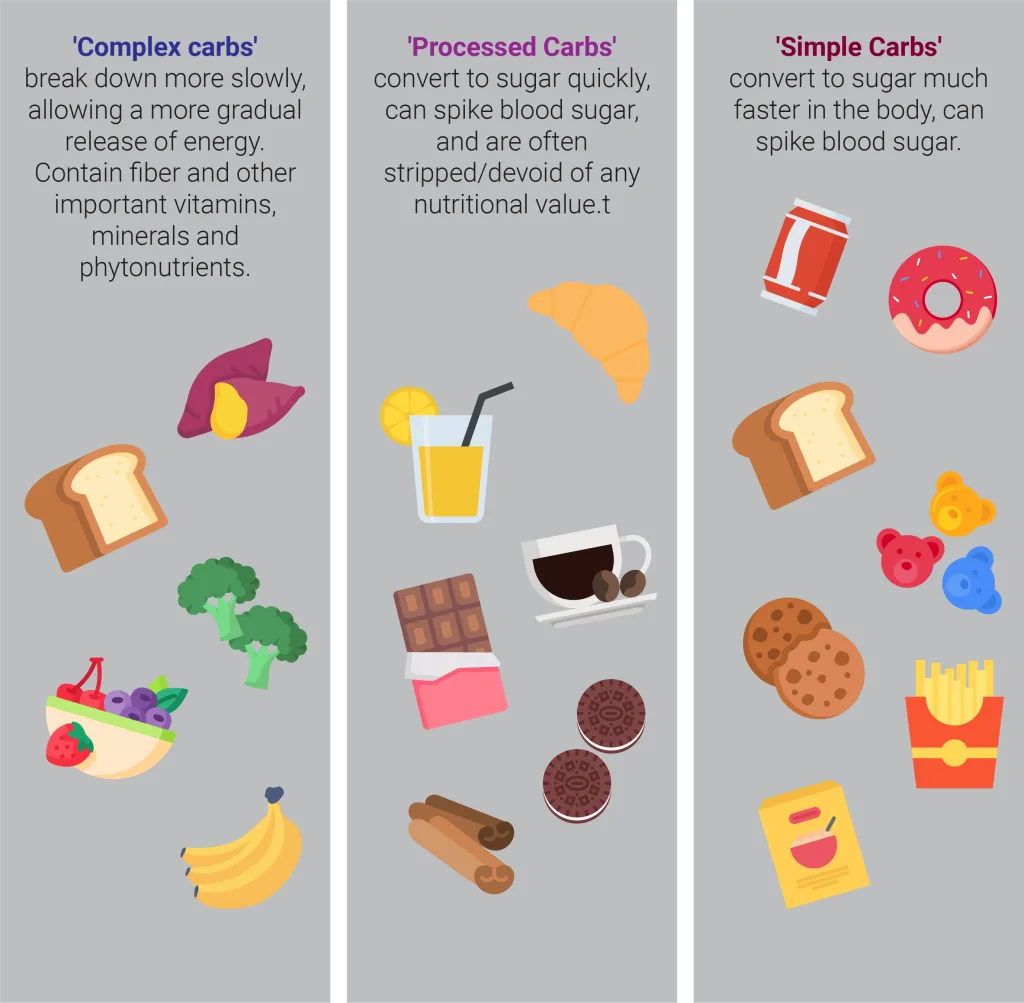
An essential part of reducing weight is to make healthier food choices. Here's portion control diets tips for weight loss:
What Is a Calorie Deficit?
To lose weight, you need to consume fewer calories than your body uses—a principle known as a calorie deficit. If your calorie intake exceeds the calories you burn, weight loss becomes unlikely.
You can increase your calorie deficit by adjusting your diet, increasing physical activity, or ideally combining both approaches. Research shows that a combination of dietary changes and exercise leads to more consistent and sustainable weight loss than either strategy alone¹¹.
A practical guideline for safe weight loss is to aim for a daily calorie deficit of around 500 calories. This typically results in a weight loss of about 1 pound (0.45 kg) per week, which is considered safe and sustainable.
For general guidance, women often start with a daily intake of 1,200 to 1,500 calories, while men may aim for 1,500 to 1,800 calories. Consuming fewer calories than these minimums can negatively affect metabolism and overall health. Consulting a healthcare professional can help determine the appropriate calorie target for your individual needs.
For those focused on weight loss, tracking calorie intake can be very effective. Using apps or food diaries to monitor what you eat and the calories it contains helps maintain awareness and supports consistent progress toward your goals.
A quick look at the best calorie counter apps
- Best overall: MyFitnessPal
- Best free features: Lose It!
- Best fully free: FatSecret
- Best for specific diets: Cronometer
- Best for weight loss: Noom
- Best for building healthy habits: Lifesum
- Best for diet quality: MyNetDiary
- Best for simplicity: Calory
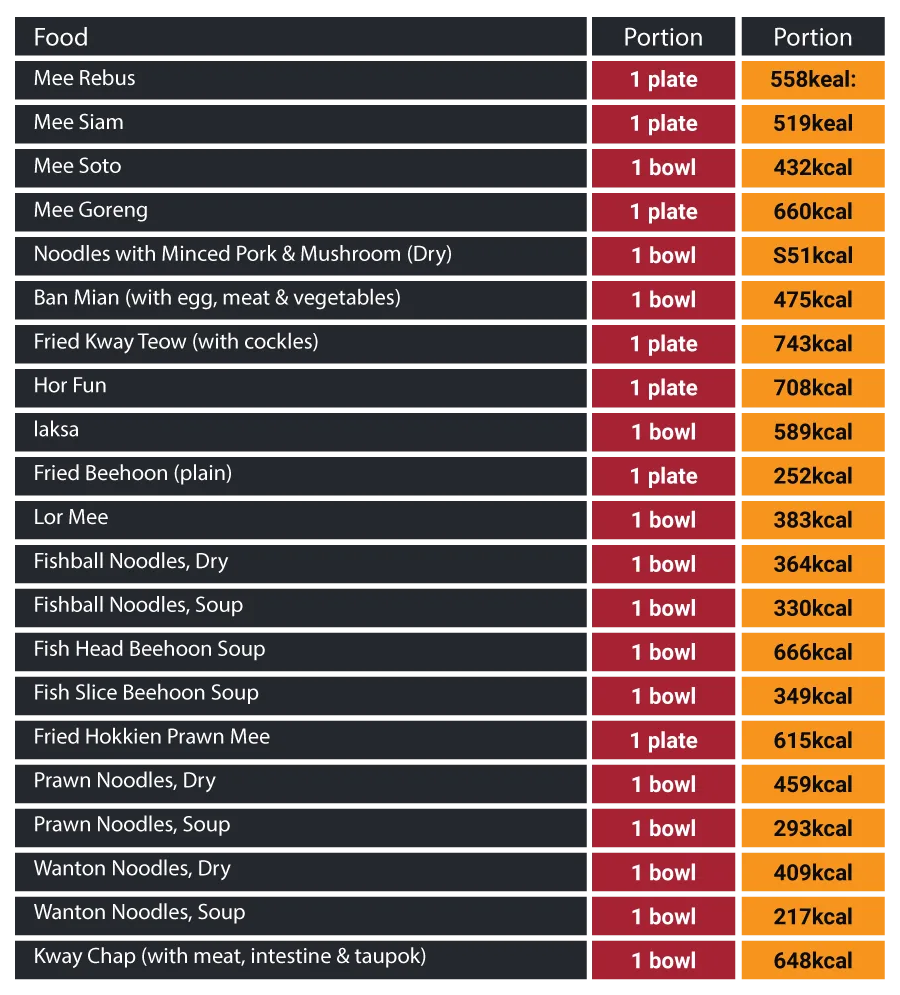
Singapore Hawker Food Calorie Chart
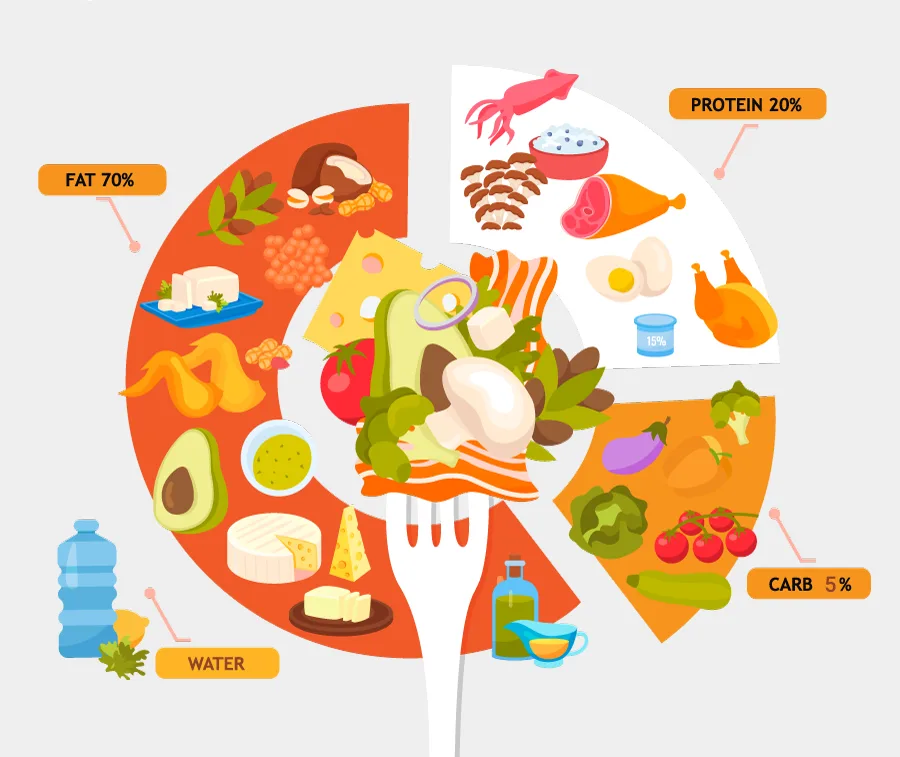
What Is the Ketogenic Diet?
The ketogenic, or "keto," diet is a low-carbohydrate, high-fat, and moderate-protein eating pattern. On this diet, the typical macronutrient breakdown is approximately:
- Carbohydrates: 5% of daily calories or less
- Protein: 20–25% of daily calories
- Fat: 70–75% of daily calories
Normally, foods like bread, pasta, potatoes, and sweets raise blood sugar levels because they are converted into glucose in the body. Protein and fat also influence blood sugar, but to a much lesser extent.
By restricting carbohydrates, the keto diet encourages the body to enter a state called ketosis, where it primarily uses fat for fuel instead of glucose. This fat can come from dietary sources or stored body fat.
Many people find the keto diet appealing because it can help reduce hunger, support muscle retention, and promote weight loss. Studies have shown that individuals following a ketogenic diet can lose 2–3 times more weight in the first few months compared to traditional low-fat diets, while also experiencing improvements in blood sugar and lipid profiles¹².
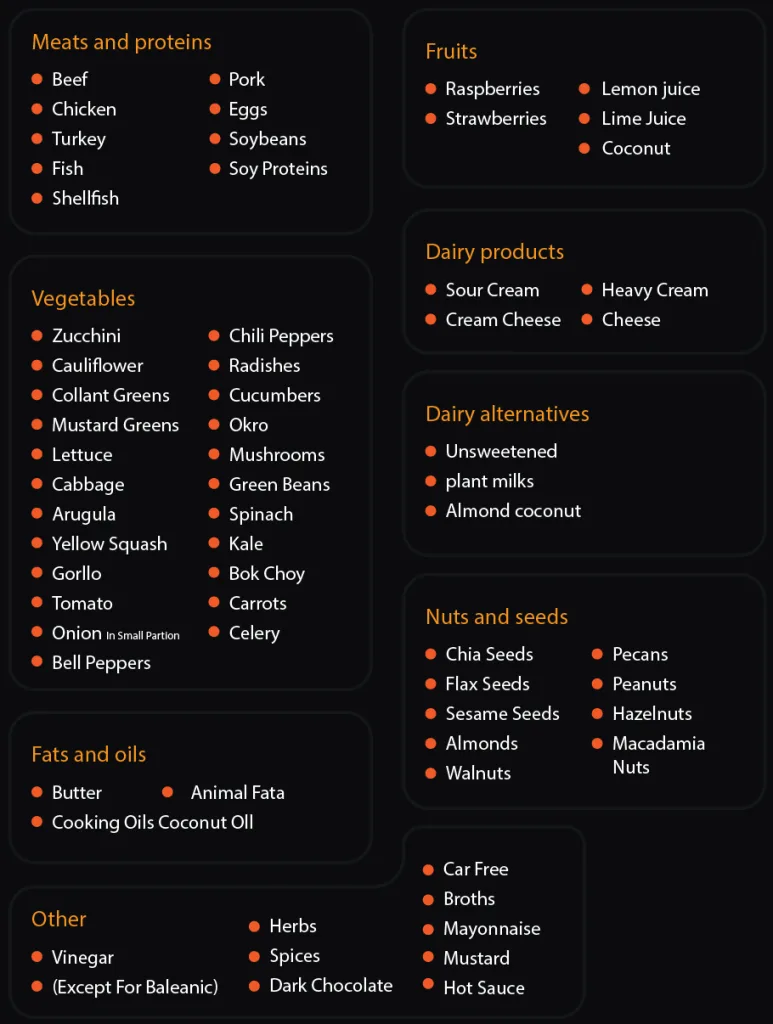
What to Eat on a Keto Diet
Chapter 3
Staying Positive And Beating Plateaus
Many start their weight loss with enthusiasm, only to hit a plateau where progress seems to stall despite exercise and a healthy diet.
This plateau, where weight loss slows or stops, is a common challenge but it's a normal phase and can be overcome. Understanding why plateaus occur is key to moving past them. They can be due to various reasons but don't worry, they're surmountable with the right approach.
Below are some reasons why this happens
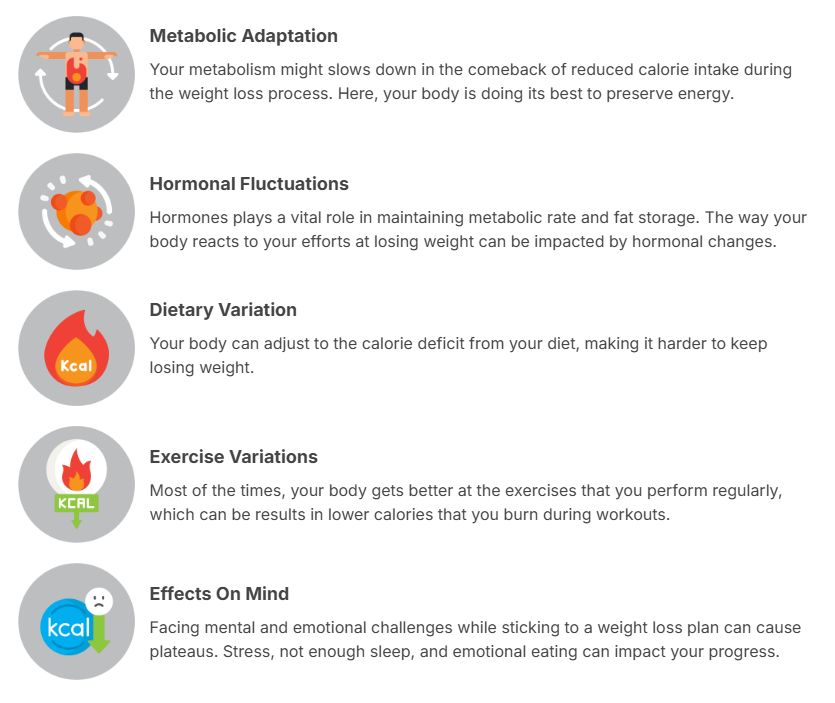
How to Break a Fat Loss Plateau
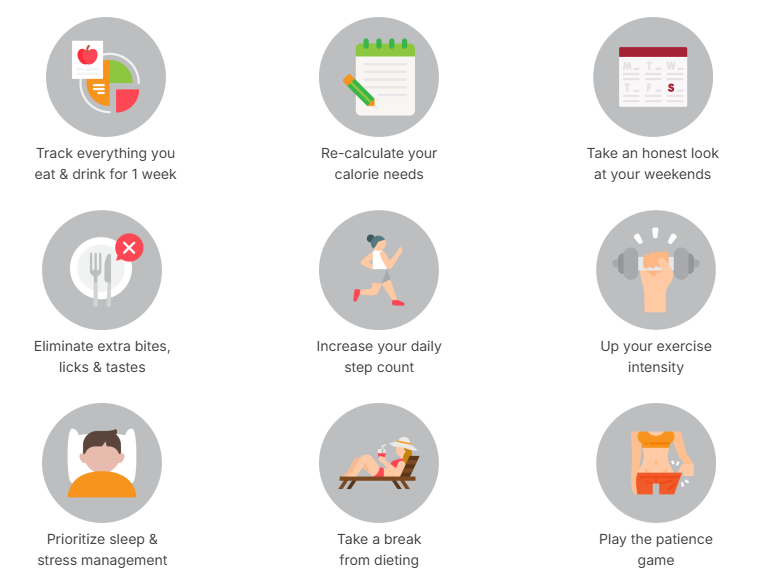
Source: Parafit
Chapter 4
Stay Away from Harmful Weight Loss Methods
Extreme diets and insufficient daily food intake may seem like a shortcut to weight loss, but they rarely work long-term and can even backfire. Such approaches often make it difficult to maintain healthy habits, and the body may respond by storing more calories as fat.
There are many unhealthy strategies marketed as "quick fixes," including fad diets, extreme starvation methods, or skipping meals. These can lead to nutrient deficiencies, decreased muscle mass, slowed metabolism, and even long-term health issues.
Research shows that rapid weight-loss methods often result in regaining most or all of the lost weight within a year¹³.
When trying to slim down, it's tempting to chase fast results, but sustainable weight loss comes from balanced nutrition, consistent exercise, and healthy lifestyle changes. To stay safe, avoid skipping meals, extreme calorie restriction, or excessive exercise. Focusing on steady, manageable changes is far more effective for long-term health and weight management.
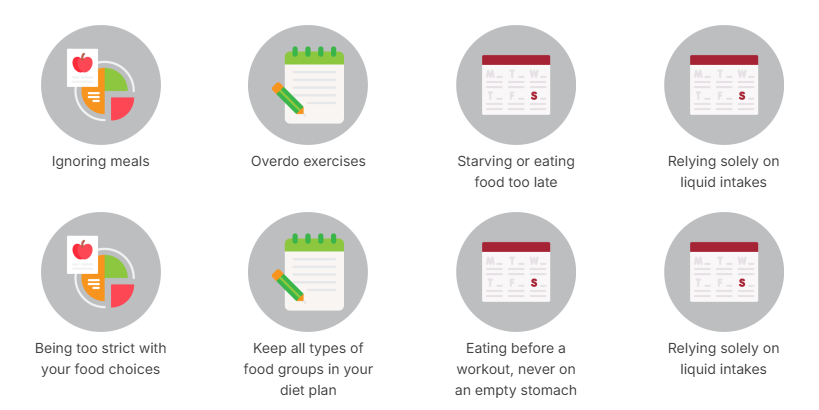
While quick weight loss may seem appealing, it often encourages unhealthy habits that can be harmful. Globally, obesity affects over 1.9 billion people, and the World Health Organization emphasizes the risks of drastic measures.
The National Institutes of Health recommend a balanced diet rich in fruits, vegetables, and lean proteins, along with smaller, more frequent meals to manage hunger and maintain stable blood sugar levels¹⁴.
Crash diets and extreme calorie restrictions may promise rapid results, but they can lead to nutrient deficiencies, fatigue, muscle loss, and digestive issues, all of which hinder sustainable weight loss. Excessive exercise without proper nutrition can weaken muscles and slow metabolism.
Extremely low-calorie intake can even trigger the body's "starvation mode," promoting fat storage rather than fat loss.
Unhealthy weight-loss practices can also affect mental health, increasing stress and the risk of eating disorders. Severely limiting food intake signals the body to conserve energy, counteracting weight-loss efforts.
To maintain overall health, it is essential to consume a balanced mix of nutrients, eat regularly to sustain energy, and consult health professionals for guidance on safe, effective weight loss. Avoid diets that eliminate entire food groups and focus on sustainable, healthy eating habits.
Regular exercise, including cardio, stretching, and strength training, supports weight management, while listening to your body's hunger and fullness cues helps maintain a healthy relationship with food. For lasting results, set realistic goals, progress gradually, and prioritize your mental well-being throughout the journey.
Chapter 5
Don't Forget Supplements
Exercise and a healthy diet are very important for weight loss, but vitamins can help you reach your goals faster. These give your body the vitamins and minerals it needs to keep your bones and muscles healthy.
You can get vitamins and minerals in general, but it's also good to get supplements such as vitamin C, and many more that are made to help your muscles, bones, and body as a whole while you lose weight.
Award-Winning Proprietary Formula
Active formula designed to support weight loss, metabolism boost, appetite curb and more.
By supplementing with Nano Singapore's advance formulated product, you'll be feeling your best every day.
Chapter 6
Understanding Realistic Weight Loss Goals
Navigating weight and health as we age requires understanding the unique challenges at each stage of life.
For teenagers and young adults (20–35), establishing healthy habits early—such as balanced eating and regular exercise—can set the foundation for lifelong health.
During middle age (35–55), metabolism naturally slows, making weight management more challenging. Maintaining muscle mass through strength training, eating nutrient-dense foods, and losing weight gradually are key strategies for staying healthy and preventing metabolic decline.
For adults 55 and older, staying active and eating a balanced diet in moderation are crucial for healthy aging. At this stage, muscle loss and slower metabolism can make weight management harder, but incorporating resistance training and maintaining adequate protein intake can help preserve muscle mass and functionality.
Scientific research highlights that maintaining a healthy weight throughout life significantly reduces the risk of cardiovascular disease, type 2 diabetes, certain cancers, and other chronic conditions¹⁵. Even modest weight loss—about 5 to 10% of body weight—can lower the risk of these illnesses, demonstrating that consistent attention to weight management at any age is beneficial.
Excess weight not only impacts personal health but also contributes to higher healthcare costs over time.
By understanding realistic goals for each life stage and taking incremental, sustainable steps, individuals can improve health outcomes, preserve muscle, and enhance overall well-being across the lifespan.
Chapter 7
A Final Word
Losing weight doesn't just change your body; it's all about changing your mind, your habits, and your life for the better. That's why everyone should know how important it is to keep their weight in check with healthy, long-lasting weight-loss methods.
Although crash diets, extreme calorie limits, and fad cleanses may seem like quick fixes, they can be harmful and cause nutrient shortages, muscle loss, and a slowdown in the metabolism.
A fair and sensible way to lose weight focuses on how important it is to eat well, exercise regularly, and take care of your mental health. It talks about the problems with extreme workout plans, missing meals, and liquid diets, focusing on how they hurt your digestion, muscle health, and mental health.
It is emphasised that weight loss methods that don't work can hurt mental health, encouraging a healthy relationship with food and body image.
Specific advice is given for young adults, middle-aged adults, and older adults, taking into account the difficulties that come up at different points in life. It shows how metabolism, hormonal changes, and changes in food can cause weight loss plateaus and gives useful tips on how to get past these problems.
This approach encourages people to keep going even when things get tough and helps them reach their long-term goals by stressing the value of making achievable goals, being consistent, and keeping a happy attitude.
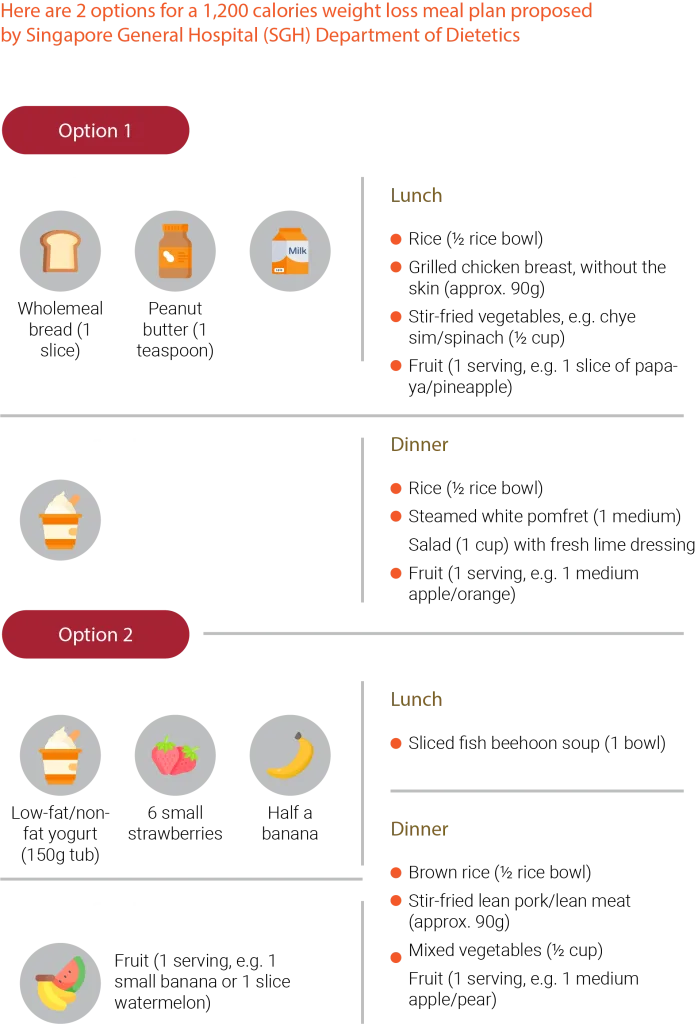
A healthy diet is very important for losing weight. Mindful eating and portion control goes into great detail about this, giving useful advice on how to control portion sizes, pick foods that are high in nutrients, and develop thoughtful eating habits.
Including sample meal plans makes it easier to see how these ideas can be used in real life. Also, taking the right supplements, including Nano Singapore, makes carefully crafted vitamins that are meant to help people lose weight, speed up their metabolism, and control their hunger.
Remember that teenagers and adults who are in the middle of their lives, along with those aged 55 and up, all have to deal with the complicated link between age and weight control. Focusing on the importance of strength training, nutrient-dense meals, and a whole-person approach to health shows that managing weight is a process that lasts a lifetime.
References
- Franz, M.J., et al., 2015. Lifestyle weight-loss intervention outcomes: a systematic review and meta-analysis of randomized controlled trials. Journal of the Academy of Nutrition and Dietetics, 115(9), pp.1447–1463.
- Hall, K.D. & Kahan, S., 2018. Maintenance of lost weight and long-term management of obesity. Medical Clinics of North America, 102(1), pp.183–197.
- Katterman, S.N., et al., 2014. Mindfulness meditation as an intervention for binge eating, emotional eating, and weight loss: a systematic review. Eating Behaviors, 15(2), pp.197–204.
- Centers for Disease Control and Prevention (CDC), 2022. Healthy Weight: Losing Weight. CDC.
- Harvard T.H. Chan School of Public Health, 2023. Obesity Prevention Source: Strategies for Success. Harvard.edu.
- Hall, K.D. and Guo, J., 2017. Obesity energetics: body weight regulation and the effects of diet composition. Gastroenterology, 152(7), pp.1718–1727.
- Bueno, N.B., de Melo, I.S.V., de Oliveira, S.L. and da Rocha Ataide, T., 2013. Very-low-carbohydrate ketogenic diet v. low-fat diet for long-term weight loss: a meta-analysis of randomised controlled trials. British Journal of Nutrition, 110(7), pp.1178–1187.