Key Messages
- Strong bones and joints keep you active and independent¹ —but bone loss starts by 30², and women may lose up to 20%³ after menopause⁴. The fix? Simple steps can protect your skeletal system⁵.
- Strength training, good posture, and smart nutrition boost mobility and cut fracture risk by up to 40%⁶. Calcium and vitamin D are must-haves for bone strength.
- Since joint pain is a leading cause of disability⁷, small shifts—like anti-inflammatory foods, daily movement, and posture care—can keep you moving strong at any age.
Chapter 1
Adults begin to experience a gradual decline in muscle mass starting between the ages of 30 and 35—a process known as age-related sarcopenia. This natural loss of muscle tissue is often slow in the early decades, but can become more pronounced with age, particularly after 60 or 70 years⁸.
Along with muscle loss can come reduced energy levels, persistent fatigue, weakness, mobility issues, and a higher risk of falls and fractures.
The National Institute on Aging has long recognized that the role of physical inactivity in the development of sarcopenia is well-documented, with studies showing that the absence of regular resistance and strength training accelerates muscle decline with age⁹.
Strength training not only helps preserve muscle mass but also improves mobility, metabolic health, and overall well-being in older adults.
It's no surprise then that incorporating strength-based exercise into your weekly routine is one of the most effective ways to support long-term musculoskeletal and overall health.
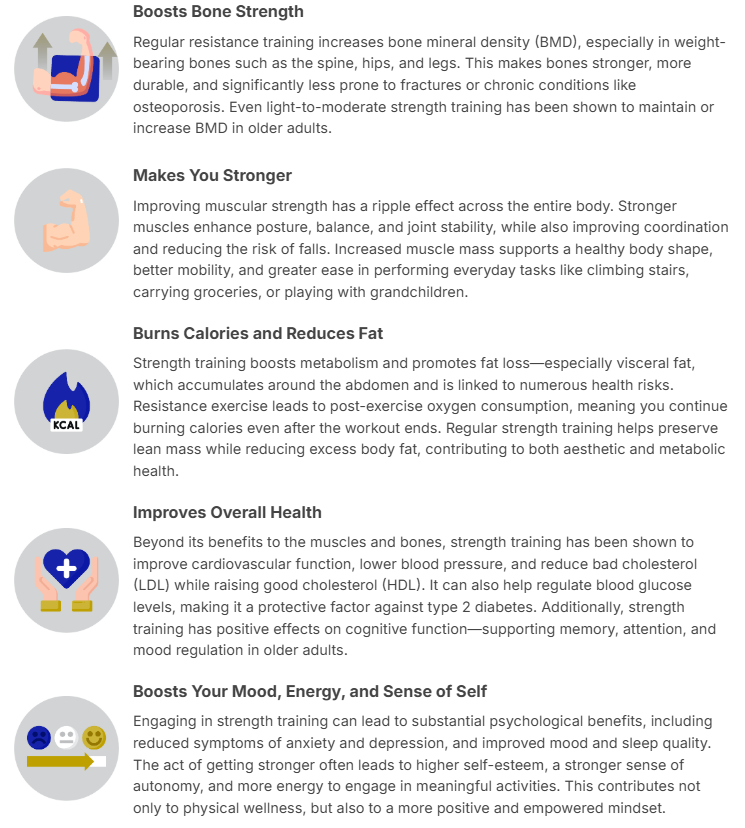
Several evidence-based benefits of strength training include:
- Boosting bone strength¹⁰
- Increasing muscle mass and making you stronger¹¹
- Burning calories and reducing fat¹²
- Improving overall health—including heart health and cognitive function—lowering bad cholesterol¹³,¹⁴
- Reducing anxiety¹⁵
- Enhancing sleep quality
8 Simple & Safe Joint-Friendly Exercise
To maintain long-term joint health, it's essential to integrate low-impact, joint-friendly movements that build strength, enhance flexibility, and improve stability.
These exercises not only increase joint lubrication and reduce stiffness but also promote neuromuscular coordination, particularly beneficial for aging adults and those with musculoskeletal concerns¹⁶.
Exercises that engage key areas like the feet, hips, spine, and shoulders play a crucial role in preserving posture, supporting body mechanics, and preventing injury.
Research shows that regular mobility training improves proprioception, enhances circulation, and can reduce symptoms of joint degeneration¹⁷.
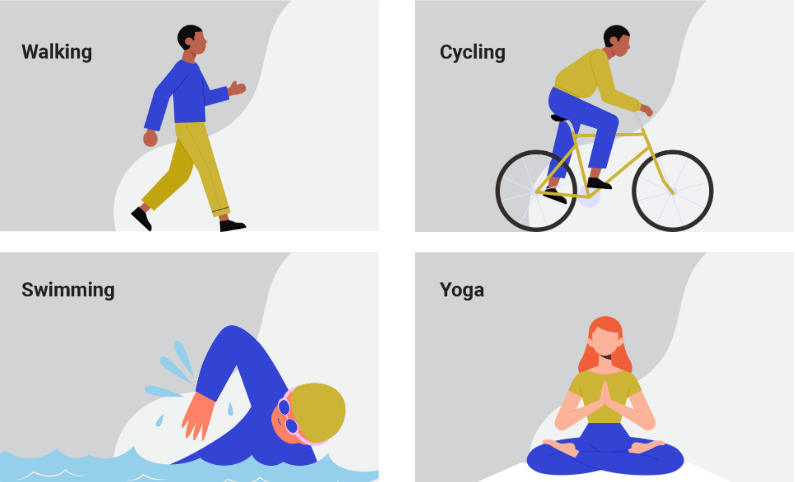
Incorporating these low-impact activities further enhances joint and muscle health:
- Swimming – Offers full-body conditioning with minimal joint strain due to water buoyancy¹⁸.
- Yoga – Builds balance, flexibility, and strength while decreasing stress and improving joint alignment¹⁹.
- Cycling – A great cardiovascular workout that strengthens the legs and hips without overloading the joints.
- Walking – A simple, accessible activity shown to increase joint lubrication and reduce inflammation markers when done regularly²⁰.
- Tai Chi – Enhances joint stability and reduces fall risk through slow, mindful movements proven to benefit older adults.
- Resistance band exercises – Provide strength training that’s low-impact and adaptable, supporting joint integrity²¹.
- Seated leg lifts – Strengthen lower body muscles while minimizing load on the knees and hips, ideal for beginners or older individuals.
- Wall push-ups – Help build upper body strength and shoulder mobility in a controlled, joint-safe way²².
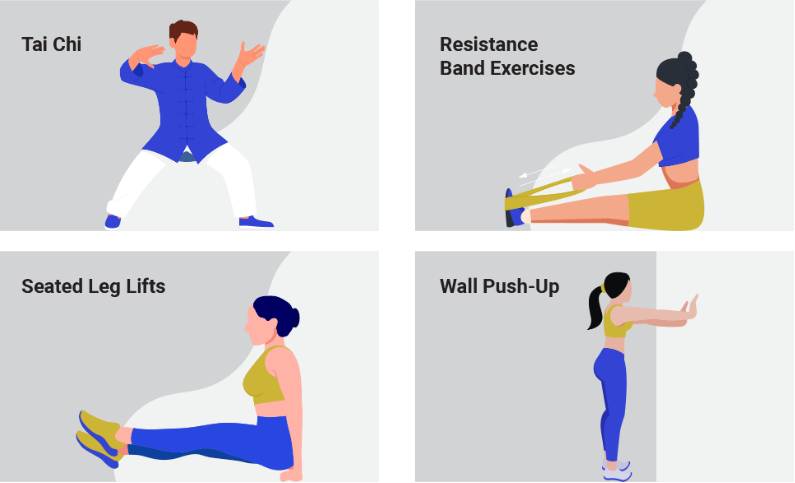
Source: manipalhospitals
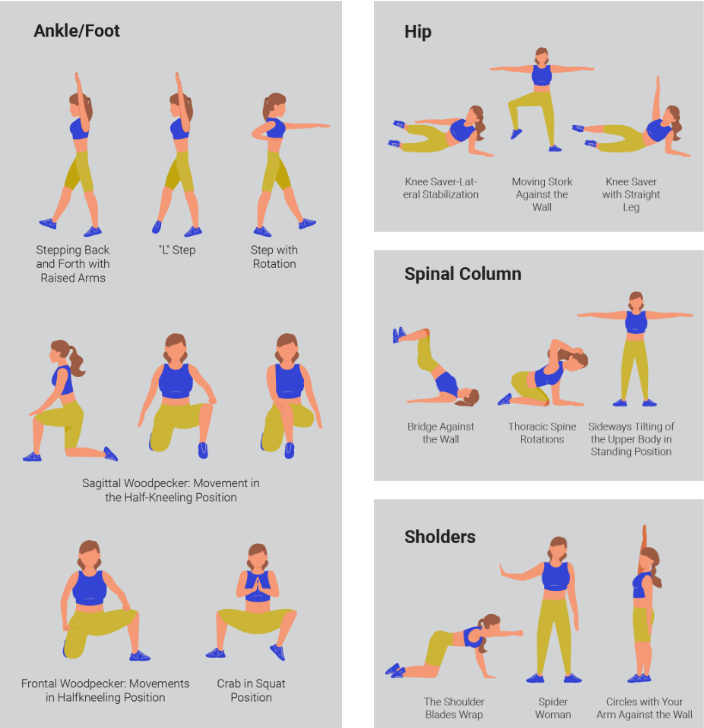
Mobility workout for feet, hips, spine, and shoulders
Integrating a combination of strength and mobility work helps build not only a stronger body, but a longer-lasting sense of independence, mental clarity, and vitality.
Examples include:
- Ankle circles – These gentle circular movements improve circulation, support ankle flexibility, and prepare joints for weight-bearing activity.
- Hip bridges – A foundational glute and core movement that activates the posterior chain while alleviating lower back stress.
- Spinal twists – These rotational stretches increase spinal mobility and relieve stiffness, supporting healthy alignment and flexibility.
- Shoulder rolls – They improve shoulder joint range and reduce muscle tension, particularly helpful for desk workers or those with poor posture.
- Dynamic stretching – Controlled movements like leg swings or arm circles that increase heart rate and joint range safely before exercise.
Source: humankinetics.com
Chapter 2
Nutrition for Strong Bones and Joint
Bone and joint health depends not only on exercise, but also significantly on dietary choices. The nutrients you consume play a pivotal role in promoting the growth, strength, and long-term health of bones and muscles.
Inadequate intake of protein, calcium, or vitamin D may accelerate muscle loss (sarcopenia) and bone demineralisation, particularly in older adults²³. These factors can increase vulnerability to fractures and functional decline.
Therefore, it's important to consider poor nutrition and lifestyle before attributing musculoskeletal issues solely to age. Below are dietary guidelines that support skeletal and muscular health can help prevent deterioration and support mobility throughout life.
These include Remember your protein²⁴˒ ²⁵, important nutrients like calcium and vitamin D²⁶ ˒ ²⁷, a balanced diet²⁸09065-4/abstract), and adequate hydration²⁹.
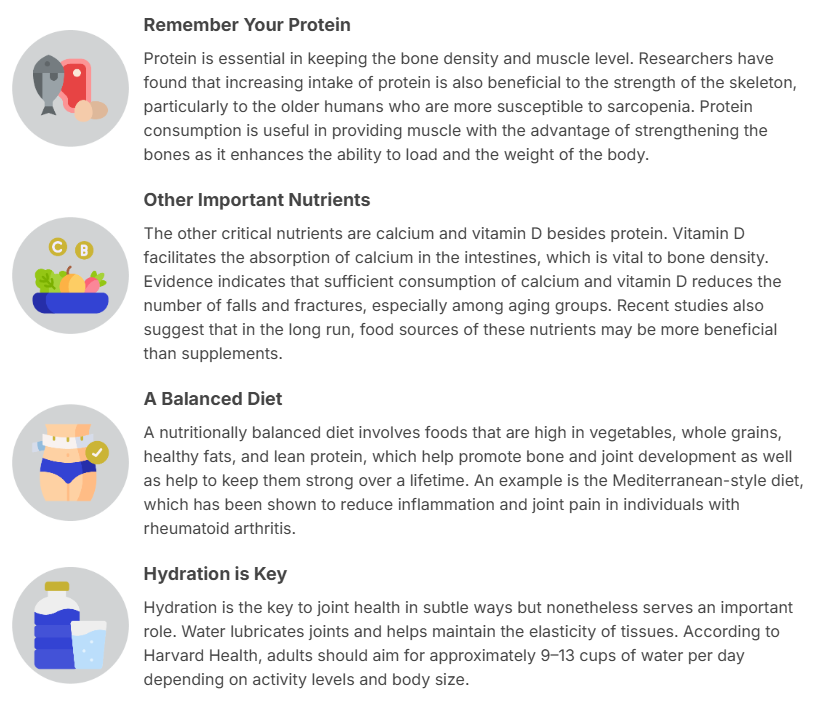
Preventing Osteoporosis: Eating For Healthy Bones
Get the right amount of calcium
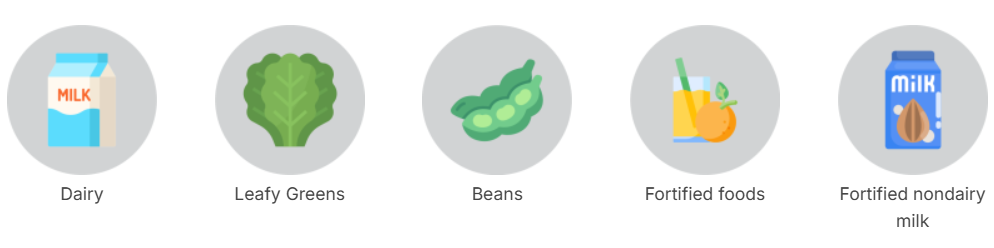
Find Vitamin D
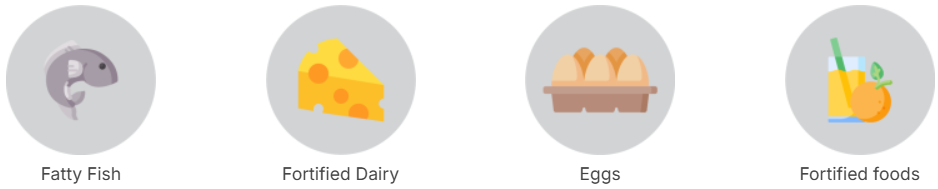
Don't forget Protein
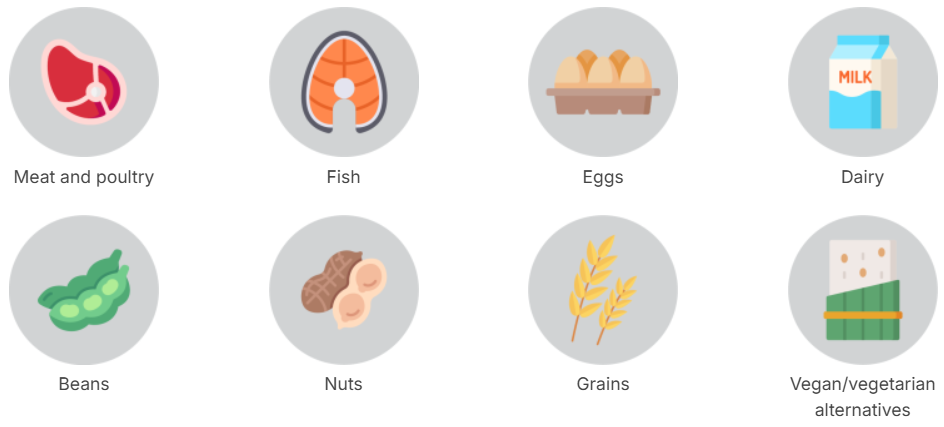
Source: hopkinsmedicine.org
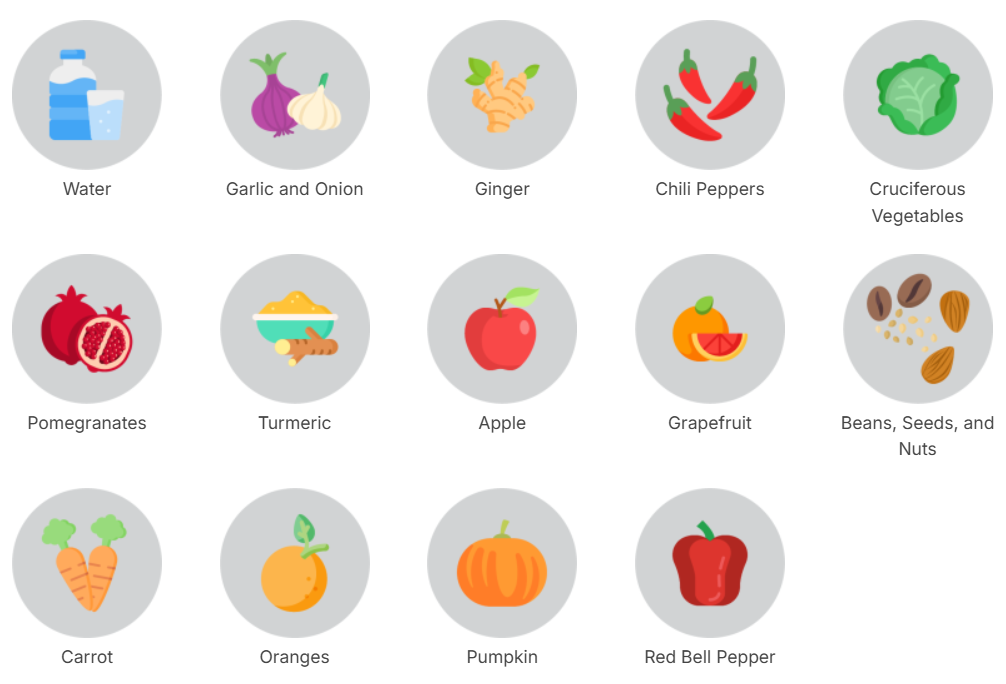
The Best Foods For Joint Health To Fight Arthritis
Chapter 3
Healthy Postures for Daily Activities
Posture refers to the way we hold our bodies while sitting, standing, walking, or lying down. According to Harvard Health Publishing, posture encompasses both static and dynamic positions—the way we maintain body alignment when stationary and how we move through space during daily activities. This means everything from brushing your teeth to bending over to pick up groceries is influenced by posture.
Poor posture can contribute to a range of musculoskeletal problems, including back and neck pain, reduced flexibility, and even breathing difficulties³⁰. Conversely, maintaining proper posture enhances the alignment of bones and joints, minimizes stress on ligaments and muscles, and contributes to better physical and mental well-being.
Why Posture Matters for Bone and Joint Health
The spine has three natural curves—cervical, thoracic, and lumbar—that should be maintained for optimal function. Poor posture, especially prolonged slouching or forward head posture, can cause the spine to lose these natural curves, leading to increased pressure on spinal discs and contributing to chronic pain or injury³¹.
Moreover, poor posture places uneven forces on bones and joints, potentially accelerating wear and tear and contributing to joint degeneration over time, including osteoarthritis and osteoporosis-related deformities³².
Good dynamic posture is vital for correct body mechanics³³, ³⁴, ³⁵.
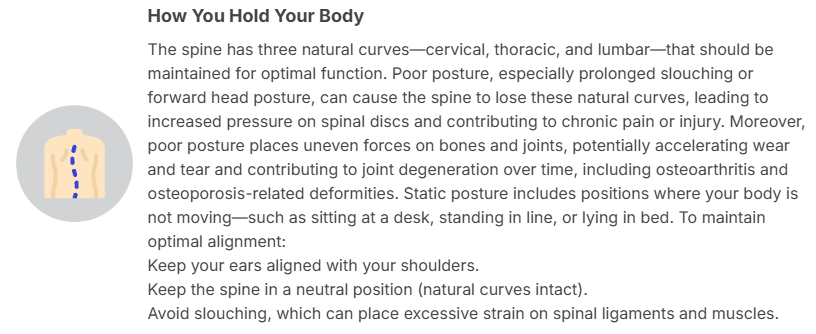
Healthy Postures For Daily Activities
Healthy postures include more than standing up straight. And yes, we mentioned that before, but we're here to expand upon that with the true steps toward this process of improving your Bones & Joints health.
The first important thing is to always stay near neutral. This is because whatever you do, neutral postures will be putting the least toll on the body and, in turn, the least stress on your skeleton.
To keep neutral while walking, for example, follow the given steps:
- Stand upright
- Keep your chin parallel to the floor. Face forward.
- Keep your arms and wrists straight as possible and to your side.
- You also need to relax. Holding your breath can interfere with the placement of the shoulders, making the entire process nearly without worth.
- When taking steps, split your weight between each step evenly, and prefer comfortable shoes instead.
Of course, these don't include postures required for other actions – for example, keeping your hands and wrist parallel to the floor, your head facing forward, and so on – but the idea of the neutral sets the basis for other daily postures as well.
In any case, to finish it off for you, let's consider a few basic tips to keep up with good posture and ease:
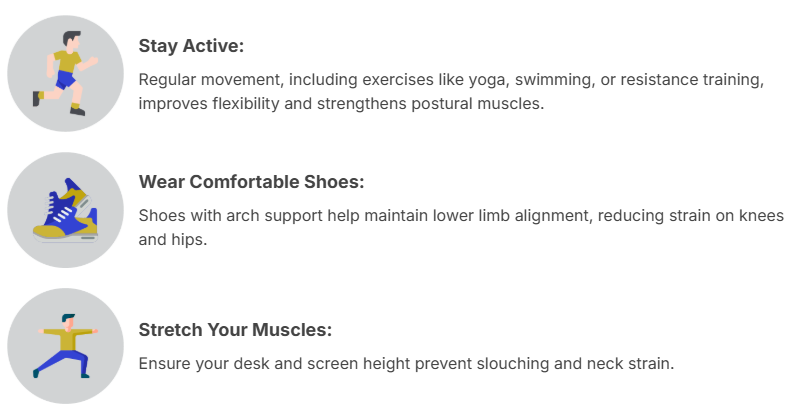
Posture and Safe Movement
Maintaining optimal posture and correct body mechanics throughout life is essential for reducing unnecessary strain on muscles and joints. These habits become even more critical with age, particularly in individuals with osteoporosis.
Good posture helps distribute weight evenly across the musculoskeletal system, preserving joint health and preventing deformities or injury³⁶.
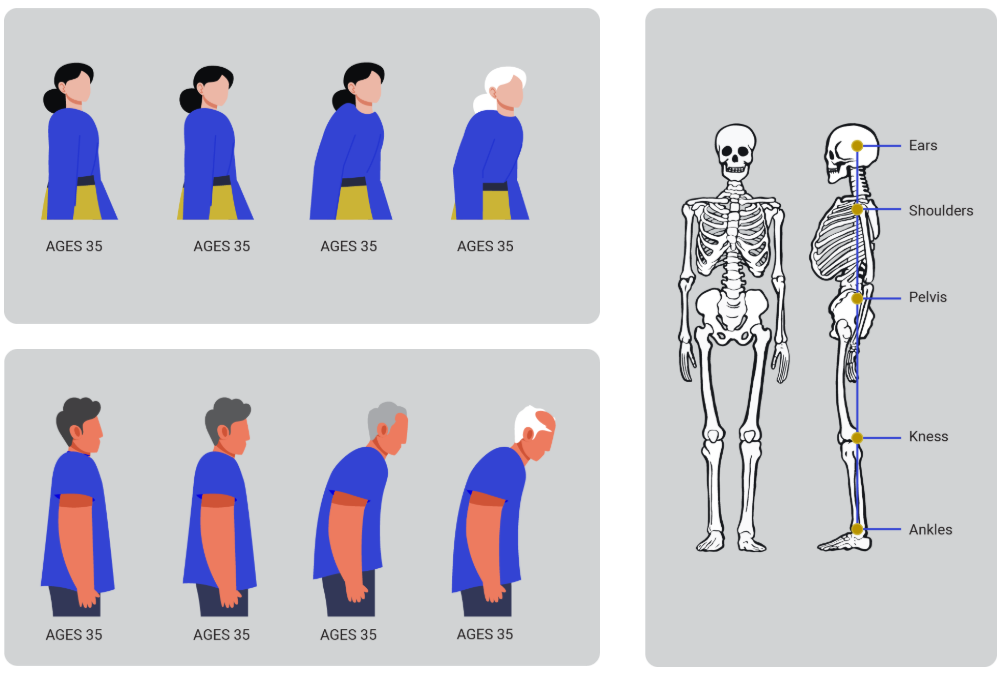
As we age, postural changes become more prominent due to natural muscle imbalances—some muscles shorten, while others weaken—affecting spinal alignment. Osteoporosis exacerbates this process by reducing bone density, particularly in the vertebrae.
As the spinal bones weaken and become brittle, vertebral compression fractures may occur, leading to height loss and kyphosis (a forward-bending curvature often referred to as a "dowager's hump")³⁷.
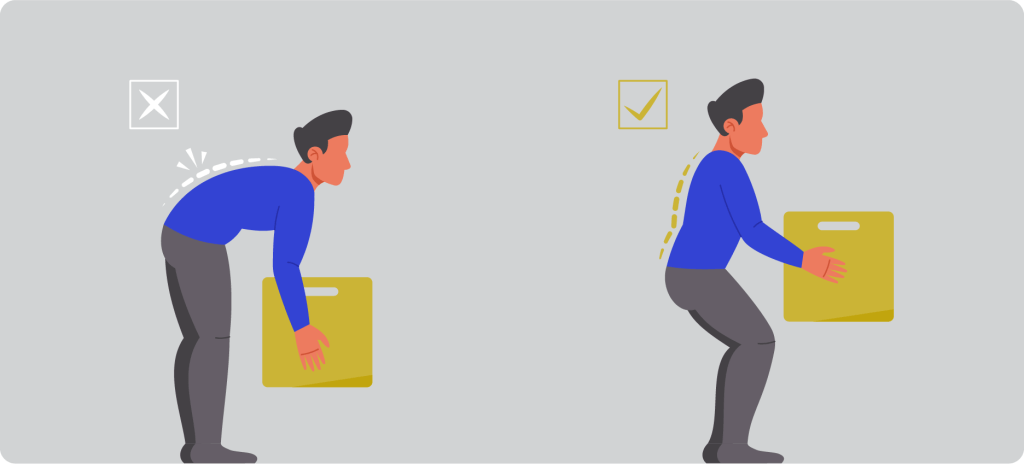
Using proper body mechanics is fundamental in protecting the spine and preventing injury. These mechanics refer to the coordinated use of body parts—especially the spine, hips, knees, and shoulders—during movement and activity.
For individuals with osteoporosis, this means making conscious adjustments to avoid placing undue stress on vulnerable bones³⁸.
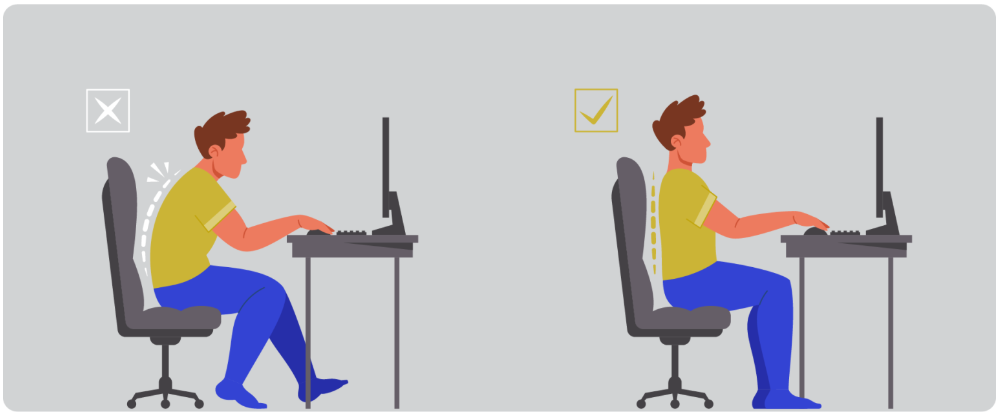
Using proper body mechanics is essential to reduce the risk of spinal injury. Proper body mechanics include:
- Bend with your hips and knees, not your back. Squatting, rather than leaning forward, reduces spinal stress.
- Maintain correct posture when sitting and standing. A neutral spine helps prevent chronic tension and misalignment.
- Avoid twisting the torso. Instead, pivot your whole body by turning your feet to change direction.
- Lift with a straight back and bent knees, keeping objects close to your body to distribute weight evenly.
- Refrain from lifting objects above shoulder height and use a step stool when necessary to reduce strain.
- Avoid repetitive or deep bending for household tasks—such as putting heavy dishes into the oven or transferring laundry from the washer to dryer.
- During physical activity, steer clear of exercises that overly flex or twist the spine, such as crunches, seated rows, or toe touches, which may increase the risk of fractures.
- Simple daily adjustments—such as standing tall, aligning the head over the shoulders, and gently engaging the core—can support skeletal health. For people with osteoporosis or at high risk, these habits may reduce falls, vertebral compression fractures, and other complications.
Chapter 4
Preventing and Managing Joint Pain
Musculoskeletal pain in the joints is a widespread issue that can significantly impact mobility, independence, and emotional well-being. Joints play a crucial role in connecting bones, allowing for movement and weight-bearing activities.
When joints are injured or inflamed, they often become tight, swollen, and painful—making even simple daily activities more challenging³⁹.
Some of the most commonly affected joints include the knees, hips, and shoulders. According to Dr. Arefa Cassoobhoy, knee pain remains one of the most prevalent musculoskeletal complaints worldwide, closely followed by hip and shoulder discomfort⁴⁰.
The Cleveland Clinic highlights that chronic joint pain, particularly in older adults, is most frequently caused by arthritis—especially osteoarthritis. This type of pain is often accompanied by swelling, stiffness, and restricted movement, ultimately affecting one's ability to perform everyday tasks⁴¹.
Importantly, joint pain is not limited to older individuals. Younger people—particularly athletes or those in physically demanding jobs—can also experience joint problems due to overuse, repetitive stress, or injury. These patterns of wear and tear can lead to early-onset arthritis or other joint-related conditions, affecting long-term joint health and performance⁴².
You can confirm symptoms of joint pain by tallying with the following:
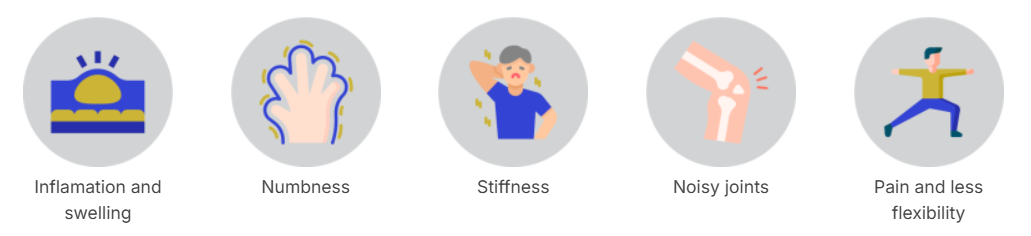
Early detection of joint problems is key to effective management. Typical signs and symptoms include:
• Swelling or inflammation • Aching or stiffness • Reduced flexibility or range of motion • Clicking, grinding, or locking • Visible deformity or asymmetry • Warmth or redness around a joint
Chronic joint pain can lead to compensatory movement patterns, which in turn cause additional stress on other joints and muscles.
In the age of technology, and with a prevailing narrative of the "hustle culture" or "sleep when you're dead" culture, more and more people are ending up in poor health because of a lack of sleep. This lack of sleep is wreaking havoc on your recovery and hormonal health.
COMMON SPORTS
Acute vs. Overuse Injuries
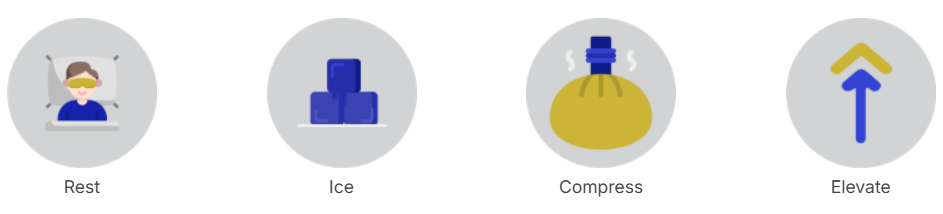
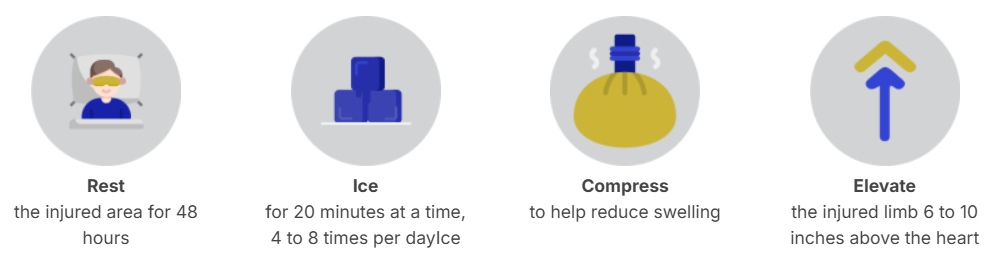
Acute injuries stem from sudden trauma, like a collision or fall. Treat with RICE:
Overuse injuries are sustained from repeated action when the body does not have time to heal.
DON'T IGNORE THESE SIGNS:
- Pain that increases with activity
- Swelling
- Decreased range of motion
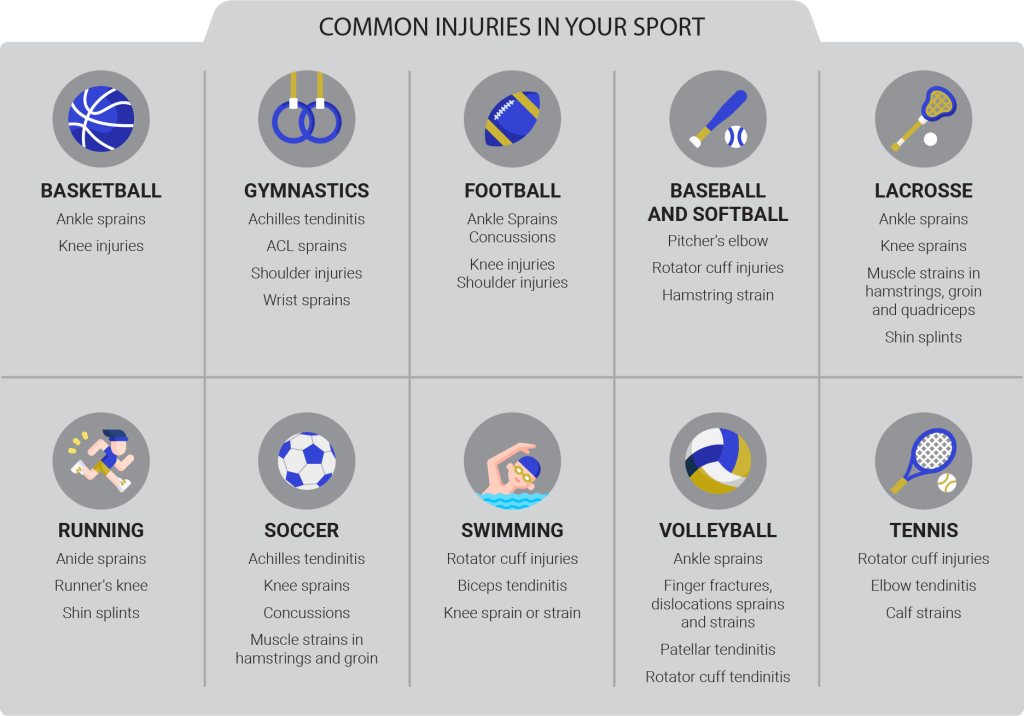
COMMON SPORTS INJURIES
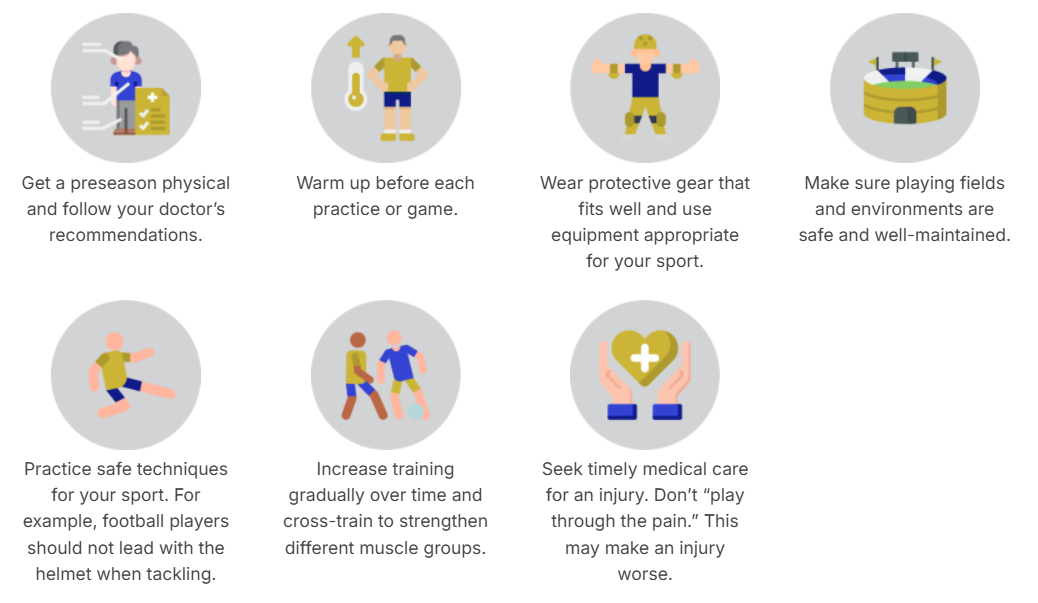
Engaging in sports is a powerful way to boost physical health, build discipline, and foster camaraderie. However, whether you're a seasoned athlete or a weekend warrior, each sport comes with its own risk of injury.
Knowing the most common injuries in your sport can help you take proactive steps to avoid them.
Injuries by Sport
Each sport tends to place unique stresses on different parts of the body. Here are some of the most frequent injuries associated with popular sports:
• Basketball: Ankle sprains, ACL tears, and jumper's knee⁴³
• Gymnastics: Achilles tendinitis, ACL sprains, wrist and shoulder overuse injuries⁴⁴
• Football: Concussions, shoulder dislocations, ankle sprains, and knee ligament injuries⁴⁵
• Baseball/Softball: Pitcher's elbow, rotator cuff injuries, and hamstring strains⁴⁶
• Lacrosse: Shin splints, muscle strains, knee and ankle sprains⁴⁷
• Running: Runner's knee (patellofemoral pain syndrome), shin splints, and plantar fasciitis⁴⁸
• Soccer: Concussions, muscle strains, Achilles tendinitis⁴⁹
• Swimming: Shoulder impingement, biceps tendinitis, and breaststroker's knee⁵⁰
• Volleyball: Patellar tendinitis (jumper's knee), finger injuries, and ankle sprains⁵¹
• Tennis: Tennis elbow (lateral epicondylitis), rotator cuff injuries, and calf strains⁵²
Most of these injuries arise from overuse, poor technique, inadequate warm-up, or unsafe playing conditions⁵³.
How to prevent sports injuries
An approach that combines lifestyle behavior, appropriate movement patterns, and dietary supplements can maintain joint health. Taking preventive actions is always better than curative ones because disorders such as chronic joint diseases like osteoarthritis are usually irreparable.
- Ergonomics and PostureKeeping a neutral position during daily activity minimizes extra stress on the joints. Over time, a lack of alignment may cause mechanical strain and inflammation⁵⁴. Joint ease can be greatly enhanced through ergonomics at work and home (e.g., using a soft chair or incorporating standing tasks).
- Anti-Inflammatory Diet and FoodsA diet typical of the Mediterranean diet — high in leafy green vegetables, berries, whole grains, oily fish, nuts, and seeds — has been demonstrated to decrease systemic inflammation, thereby contributing to joint health⁵⁵. Key nutrients include:• Vitamin D: Aids calcium absorption and supports immune homeostasis• Calcium: Essential for achieving bone mineral density• Magnesium: Assists muscle function and relaxation• Omega-3 fatty acids: Decrease stiffness and tenderness of the joints⁵⁶.
- Joint Mobility and ExerciseOne of the best ways to maintain joint health is through physical activity. Low-impact exercises engage joint muscles, increase circulation, and develop flexibility. Effective activities include swimming, walking, Pilates, and resistance training⁵⁷.Important hint: Avoid prolonged immobility. Sedentary habits cause increased rigidity and decreased stability of the synovial fluid surrounding joints.
- Stretching and Warm-UpBegin every exercise or activity that involves movement with a warm-up lasting between 5–10 minutes (e.g., brisk walking or arm circles) to enhance blood circulation to the joints. This should be followed by easy stretching to increase flexibility and range of motion. This simple habit may decrease the risk of injury exponentially⁵⁸.
- Supplements and VitaminsGlucosamine sulphate, chondroitin, and curcumin (turmeric) have evidence showing they relieve mild to moderate joint pain in some individuals and osteoarthritic patients. Omega-3 supplements can also help diminish stiffness and swelling of the joints⁵⁹. Nevertheless, individuals should consult a physician before commencing any supplement.
- Weight ManagementWeight adds extra strain to weight-bearing joints, namely the knees, hips, and spine. A mere loss of 5–10 percent of body weight can result in a tremendous reduction in joint pain and inflammation⁶⁰.
- Healthy Sleep and HormonesDuring sleep, the body heals tissues and restores the state of inflammatory markers. Chronic sleep deprivation raises cortisol (a stress hormone) that aggravates inflammation and can worsen joint pain⁶¹. The preferred amount of quality sleep per night is 7–9 hours to promote overall musculoskeletal health.
Source: hopkinsmedicine.org
ARTHRITIS
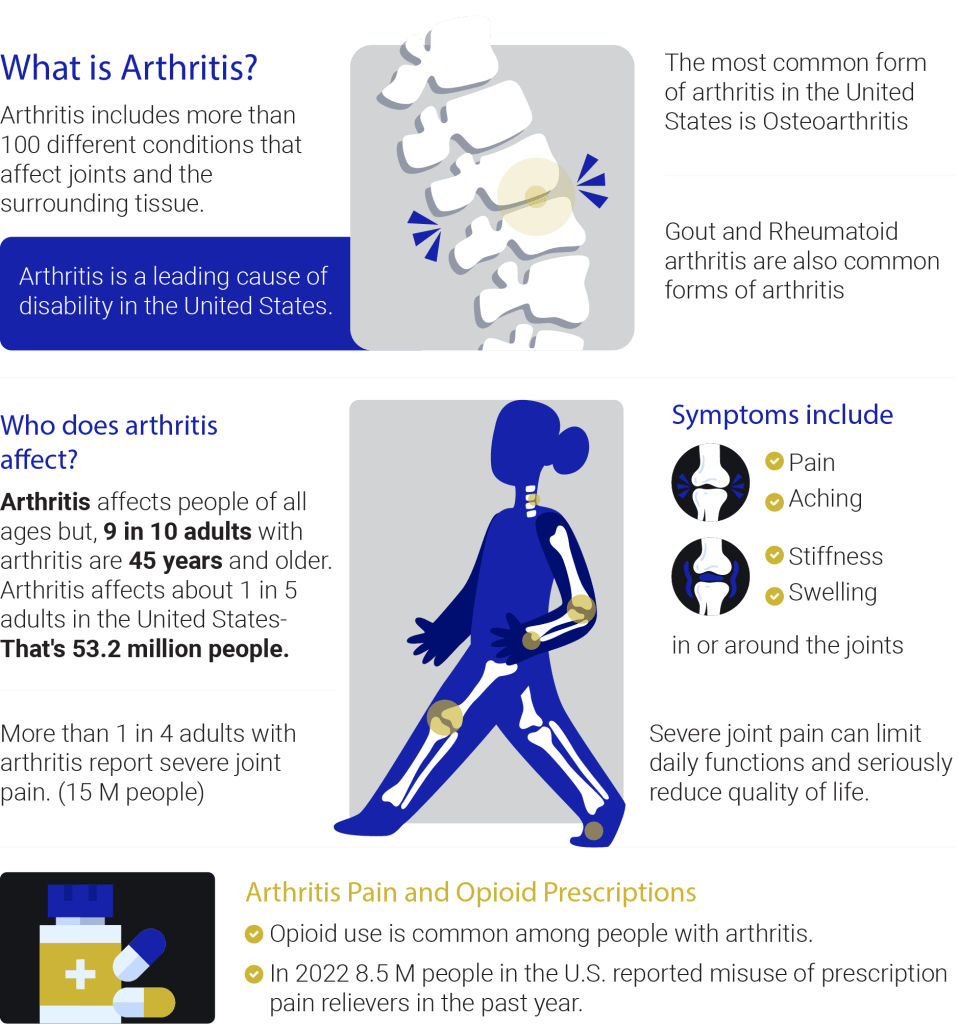
How can arthritis pain be managed without opioid prescriptions?
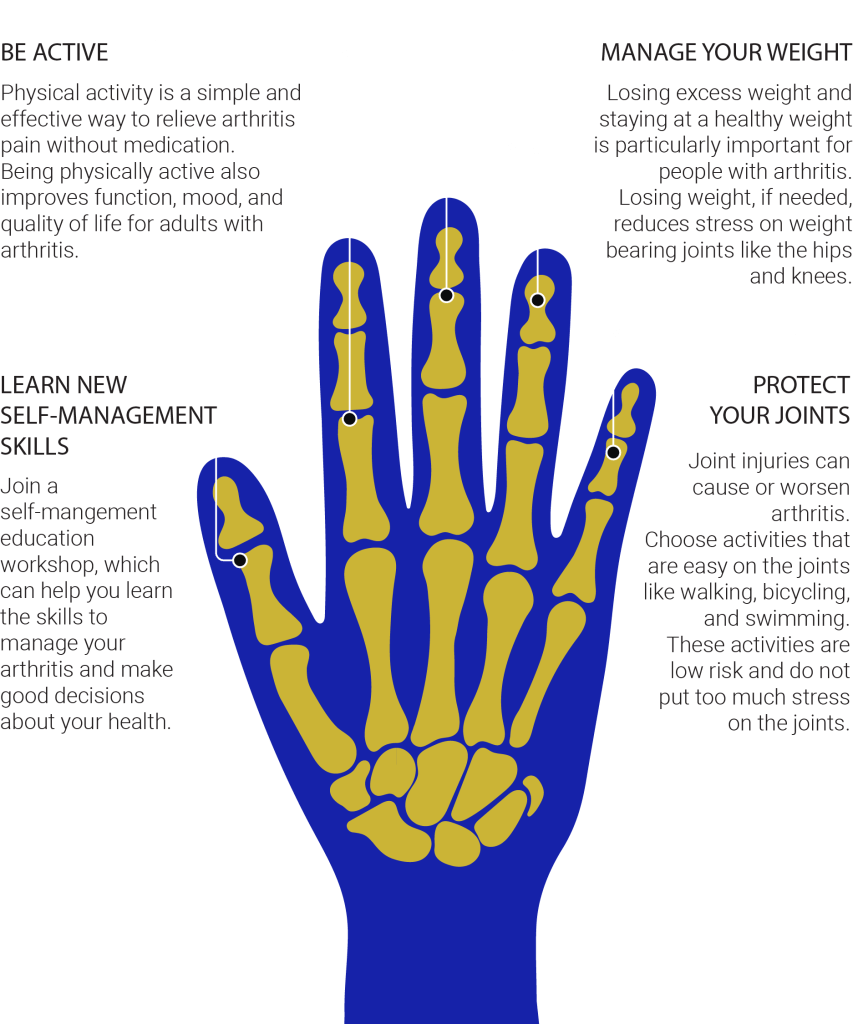
Physical Activity
- Staying physically active is crucial for managing arthritis. Contrary to the common belief that rest is better, studies show that regular, low-impact movement can reduce joint pain by up to 40%, enhance strength, and improve mental health.
Recommended Activities:
- Low-impact aerobic exercises: such as walking, swimming, or cycling
- Strength training: to support joint stability
- Flexibility and balance activities: like yoga and tai chi
- Consistency is key—even 30 minutes a day, broken into 10-minute intervals, can make a significant difference.
Weight Management
- Excess body weight places added stress on weight-bearing joints like the knees, hips, and lower back. Reducing body weight by even 5–10% can lead to marked improvements in joint pain and mobility⁶².
- Weight loss also helps to lower systemic inflammation, which is a critical factor in autoimmune types of arthritis like RA.
Joint Protection
- Small changes in daily habits can significantly protect joints over time. Strategies include:
- Using larger joints (like shoulders instead of wrists) when lifting
- Avoiding repetitive, high-impact activities
- Switching positions frequently to reduce joint stress
- Wearing supportive footwear to improve alignment and reduce strain
- These changes help minimize wear and tear, reduce pain, and preserve function.
Self-Management Education
- Evidence-based programs such as Walk With Ease and Enhance®Fitness empower people with arthritis to take control of their health. These initiatives provide structured support, pain management tools, and motivational group settings that improve both physical and psychological well-being.
Non-Opioid Pain Management
- Given the risks associated with opioid medications, experts now recommend non-opioid and non-pharmacological approaches for managing arthritis-related pain.
- Options include:
- NSAIDs and acetaminophen (used judiciously to avoid long-term side effects)
- Duloxetine, an antidepressant with pain-relieving properties
- Acupuncture and cognitive behavioral therapy (CBT), both shown to help manage chronic pain.
- Such strategies offer safer, sustainable ways to manage symptoms and improve quality of life.
MANAGING ARTHRITIS: STRIVE FOR FIVE
Source: cdc.gov
Ways To Minimize Joint Pain & Swelling
R.I.C.E. stands for rest, ice, compression, and elevation. It is a method of self-care to use right after you experience a minor injury.
R.I.C.E. is used to quickly treat pain and swelling after an acute (sudden) soft tissue injury such as a sprain or strain, or a joint dislocation.
Source: verywellhealth.com
Is the R.I.C.E. Treatment Still Recommended?
Although the R.I.C.E. method has been used for decades for musculoskeletal injuries, recent studies suggest that it may not be the most effective approach.
In fact, some researchers argue that R.I.C.E. may even be harmful and delay the healing process because it restricts blood flow to the injury, which is essential for the healing process.
Other treatment protocols that have been suggested include P.E.A.C.E. & M.E.A.T
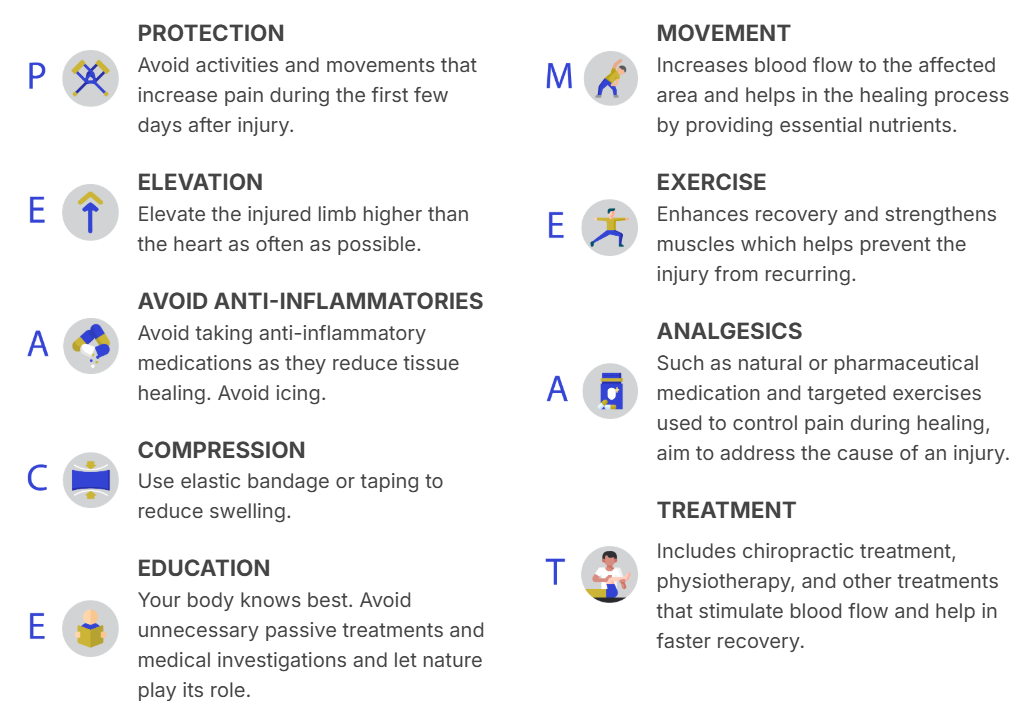
Source: *verywellhealth.com*
Chapter 5
Medical Professionals and Bones & Joints Health
The World Health Organization states that "Bones & Joints conditions often coexist with other noncommunicable diseases and increase the risk of developing cardiovas cular disease. Individuals with Bones & Joints conditions are also at higher risk of developing mental health issues."
This underscores the critical importance of monitoring your Bones & Joints health diligently, as it is an essential aspect of aging gracefully. Neglecting it could lead to long-term issues and a growing list of medical problems.
However, this doesn't mean that aging gracefully is impossible. Professor Keith Palmer and Dr. Nicola Goodson point out that with proper treatment and preventive measures, "Interventions to optimize symptom control and provide a more flexible adaptive work environment can substantially improve older people's prospects of working" even as they age.
Aging gracefully is not merely a wishful concept; it is an achievable goal. By prioritizing the health of your Bones & Joints, as supported by research and studies conducted by professionals in the field, you can actively work towards this goal.
How is low testosterone diagnosed?
"Low testosterone is often linked to — and potentially even caused by — one or more underlying health condition that a man may not even know he has," says Dr. Starke. "Low testosterone can also be caused by medications you might be taking for a health condition you already know about or a previous therapy you've received, like chemotherapy and radiation," adds Dr. Starke.
If you have signs and symptoms of low testosterone, a healthcare provider will perform a physical exam. They'll also ask questions about your medical history, medications you take or have taken, smoking history and any symptoms you currently have.
Blood tests may be ordered. To make a diagnosis, a provider will consider your specific signs, symptoms and any blood test results.
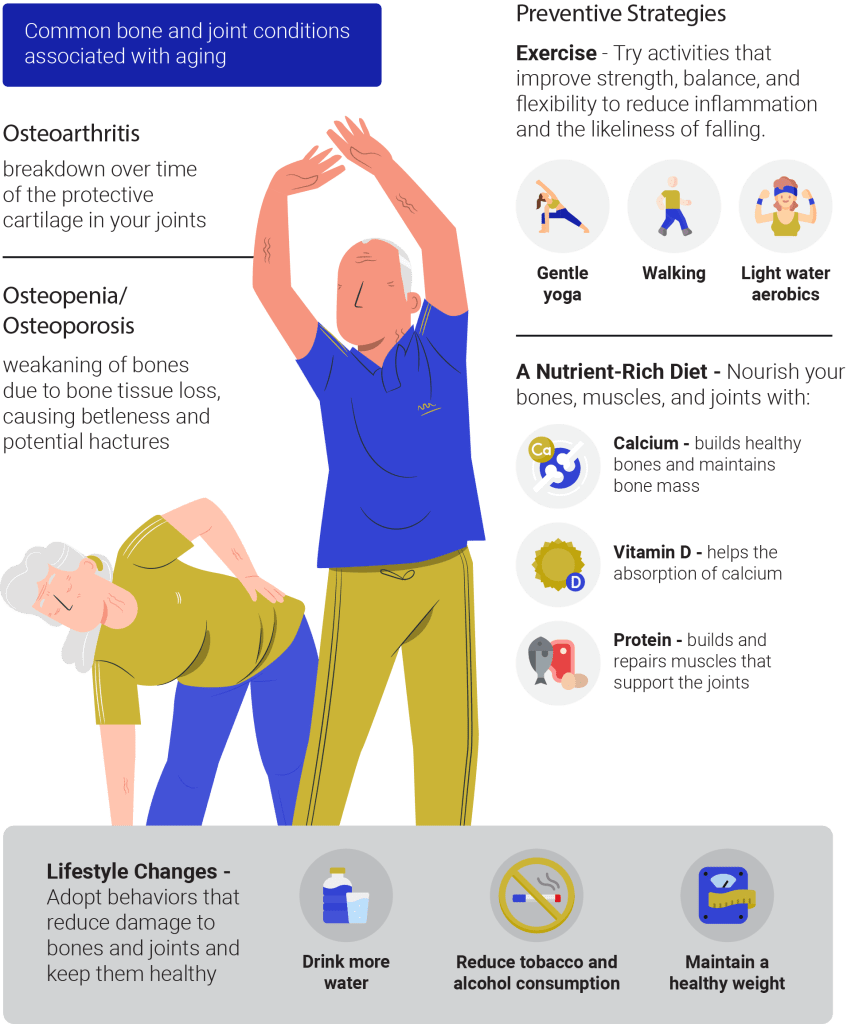
Senior Strength
How to Preserve Bone and Joint Health as You Age
Source: orthopedicsri.com
Chapter 6
Don't Forget Supplements
While maintaining regular physical exercise and a balanced diet should always be your top priorities, strategically incorporating supplements can provide valuable support to your bones and joints. These supplements supply essential vitamins and minerals that reinforce your musculoskeletal system's health and resilience.
Generic multivitamins are an option, but choosing targeted supplements—such as calcium and others specifically formulated to enhance bone and joint health—is highly recommended for optimal results.
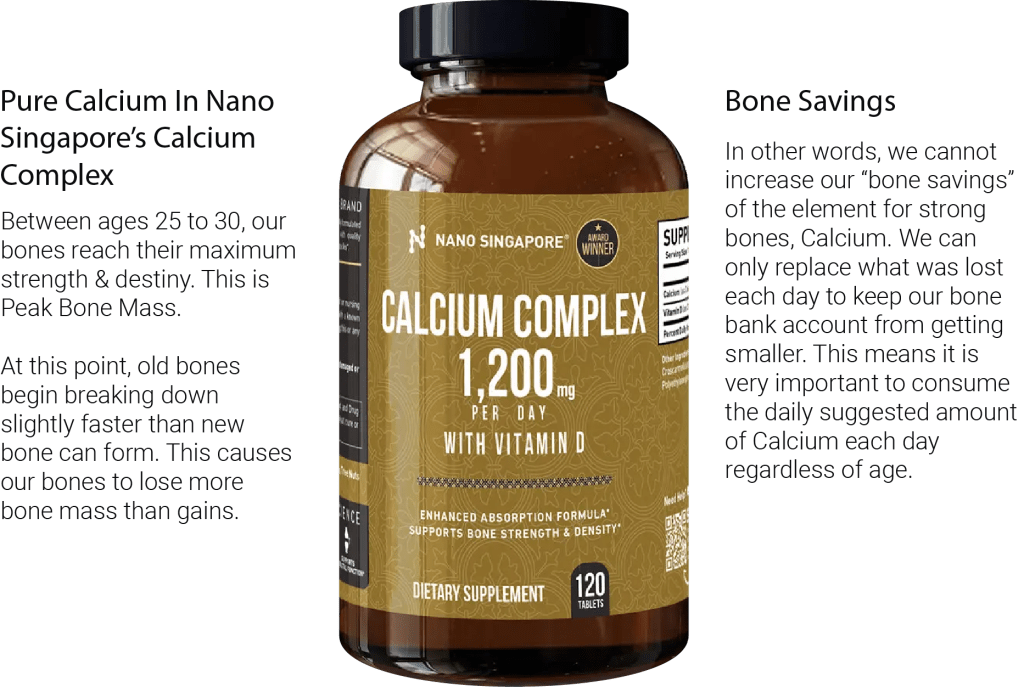
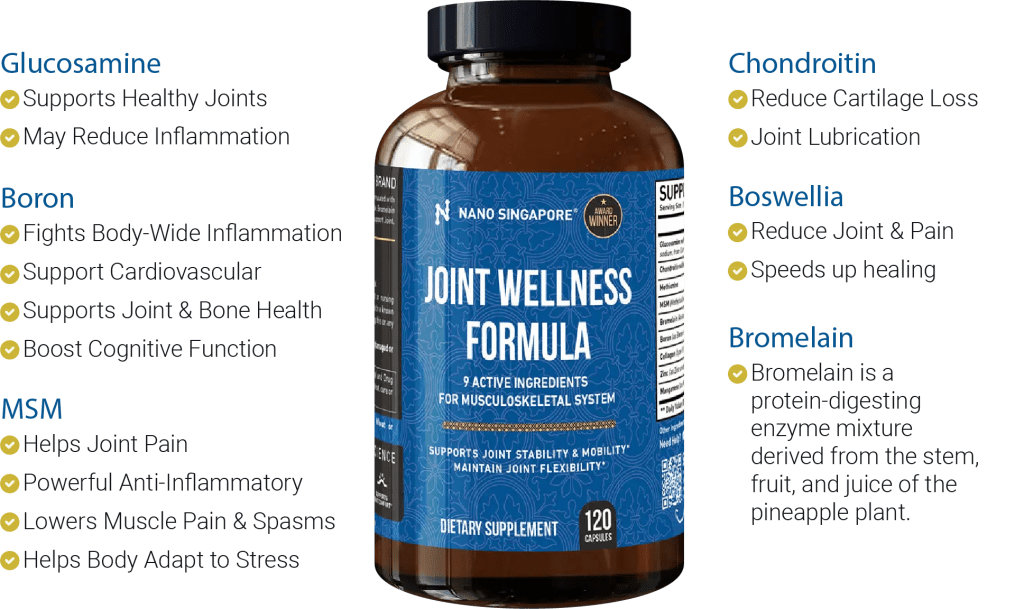
Award-Winning Proprietary Formula!
Feel like you're running on empty? Whether you're chasing goals at work, hitting the gym, or just trying to keep up with life, your body deserves support that works as hard as you do.
There are powerful, scientifically designed formulas available that not only support bone and joint integrity but also promote masculine vitality, libido, endurance, and overall men's health—providing a holistic boost to well-being. Packed with ingredients that support masculine vitality, libido, endurance, and overall health, this powerful blend is designed to help you feel your best, every day.
What's Inside?
• Calcium & Vitamin D to keep your bones strong and resilient.
• Glucosamine, MSM & Chondroitin to support joint comfort and flexibility—so you can move freely and confidently.
• Boron & Boswellia to fight inflammation and promote healing.
• Bromelain to aid digestion and recovery, naturally.
Whether you're in your 30s or beyond, this formula helps you maintain your edge—physically and mentally. With 120 easy-to-take capsules, it's a simple step toward a stronger, more vibrant you.
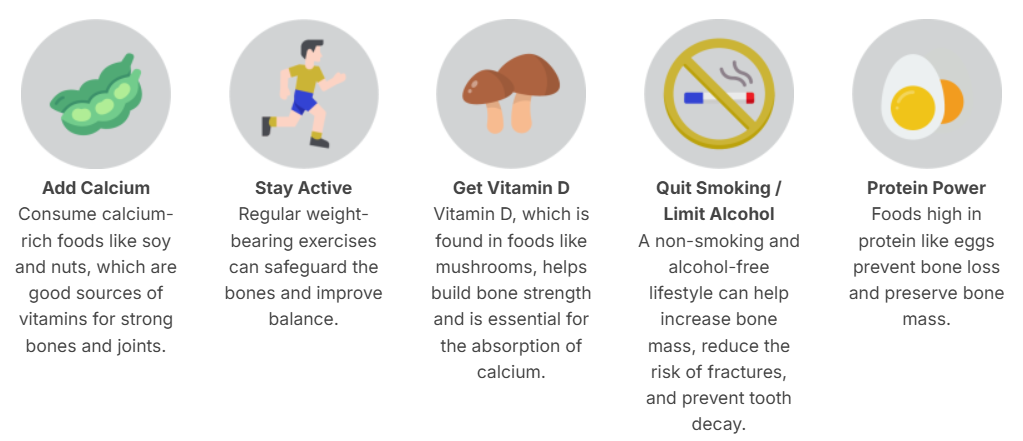
5 Natural Ways to Boost Bone Health
Chapter 7
A Final Word
Your Bones & Joints system empowers you with strength, flexibility, and grace. As we conclude this exploration of Bones & Joints health, it's crucial to recognize the profound impact that well-cared-for Bones & Joints have on your overall well-being.
Understanding this impact is essential because your muscles, joints, and bones form the foundation of your physical resilience. A robust system contributes to posture and balance, enabling you to perform daily tasks with ease.
Neglecting your Bones & Joints well-being can lead to limited mobility, increased vulnerability to injuries, and pain, ultimately diminishing your quality of life. However, by prioritizing good Bones & Joints health, you can fortify your body against the challenges of aging and modern life.
Remember, your body responds to care and attention. Nurture it with exercise, healthy dietary choices, and proper posture, and above all, prioritize your Bones & Joints health.
By doing so, you're not only investing in a physically capable body but also in a life that allows you to fully engage and appreciate every moment.
References
- Harvard Health Publishing. (2023).The best exercises for your bones. Harvard Health.
- National Institutes of Health. (2023). Osteoporosis: Peak bone mass and bone loss. National Institute of Arthritis and Musculoskeletal and Skin Diseases.
- Endocrine Society. (2022). Menopause and bone loss. Endocrine.org.
- Office on Women's Health. (2024). Menopause and your health. U.S. Department of Health and Human Services.
- Watson, S.L., Weeks, B.K., Weis, L.J., Harding, A.T., Horan, S.A. and Beck, B.R., 2015. High-intensity exercise did not cause vertebral fractures and improves spinal strength in postmenopausal women with low to very low bone mass: The LIFTMOR trial. Osteoporosis International, 26(12), pp.2569–2579.
- Pludowski, P., et al., 2018. Vitamin D supplementation guidelines. Journal of Steroid Biochemistry and Molecular Biology, 175, pp.125–135.
- Sköldstam, L., Hagfors, L. and Johansson, G. 2003. An experimental study of a Mediterranean diet intervention for patients with rheumatoid arthritis. Annals of the Rheumatic Diseases, 62(3), pp.208–214.
- Walston, J.D., 2012. Sarcopenia in older adults. Current Opinion in Rheumatology, 24(6), pp.623–627.
- Mitchell, W.K., Williams, J., Atherton, P., Larvin, M., Lund, J. and Narici, M. (2012). Sarcopenia, dynapenia, and the impact of advancing age on human skeletal muscle size and strength: a quantitative review. Frontiers in Physiology, 3, p.260.
- Watson, S.L., Weeks, B.K., Weis, L.J., Horan, S.A. and Beck, B.R., 2015. Heavy resistance training is safe and improves bone, function, and stature in postmenopausal women with low to very low bone mass: novel early findings from the LIFTMOR trial. Osteoporosis International, 26(12), pp.2889–2894.
- Liu, C.J. and Latham, N.K. (2009). Progressive resistance strength training for improving physical function in older adults. Cochrane Database of Systematic Reviews, (3), CD002759.
- Willis, L.H., Slentz, C.A., Bateman, L.A., Shields, A.T., Piner, L.W., Bales, C.W., Houmard, J.A. and Kraus, W.E. (2012). Effects of aerobic and/or resistance training on body mass and fat mass in overweight or obese adults. Journal of Applied Physiology, 113(12), pp.1831–1837.
- Strasser, B. and Schobersberger, W. (2011). Evidence for resistance training as a treatment therapy in obesity. Journal of Obesity, 2011, Article ID 482564.
- Nagamatsu, L.S., Handy, T.C., Hsu, C.L., Voss, M. and Liu-Ambrose, T. (2012). Resistance training promotes cognitive and functional brain plasticity in seniors with probable mild cognitive impairment: a 6-month randomized controlled trial. Archives of Internal Medicine, 172(8), pp.666–668.
- Gordon, B. R., McDowell, C. P., Hallgren, M., Meyer, J. D., Lyons, M., and Herring, M. P. (2018). Association of efficacy of resistance exercise training with depressive symptoms: Meta-analysis and meta-regression analysis of randomized clinical trials. JAMA Psychiatry, 75(6), pp. 566–576.
- World Health Organization. (2023). Musculoskeletal conditions. World Health Organization.
- National Institutes of Health. (2020). Joint health and mobility.
- Centers for Disease Control and Prevention (CDC). (2024). Swimming and Your Health. CDC.
- Sköldstam, L., Hagfors, L. and Johansson, G. (2003). An experimental study of a Mediterranean diet intervention for patients with rheumatoid arthritis. Annals of the Rheumatic Diseases, 62(3), pp.208–214.
- Zhao, M., Veeranki, S.P., Magnussen, C.G. and Xi, B. (2020). Recommended physical activity and all-cause and cause-specific mortality in US adults: prospective cohort study. BMJ, 370, m2031.
- Kistler-Fischbacher, M., Weeks, B.K. and Beck, B.R. (2021) 'The effect of exercise intensity on bone in postmenopausal women (part 1): a systematic review', Bone, 143, 115696.
- Harvard Health Publishing (2021). Strength and Power Training for Older Adults. Harvard Medical School.
- Granic, A., Mendonça, N., Sayer, A.A. and Hill, T.R., 2020. Dietary patterns, skeletal muscle health, and sarcopenia in older adults. Nutrients, 12(8), p.2285.
- Kamińska, M.S., Brodowski, J., Karakiewicz, B., Kózka, M. and Brodowska, A. (2023). The impact of protein intake on sarcopenia prevention and treatment in elderly populations. Nutrients, 15(4), 830.
- Darling, A.L., Millward, D.J., Torgerson, D.J., Hewitt, C.E. and Lanham-New, S.A. (2009). Dietary protein and bone health: a systematic review and meta-analysis. The American Journal of Clinical Nutrition, 90(6), pp.1674–1692.
- Weaver, C.M., Gordon, C.M., Janz, K.F., Kalkwarf, H.J., Lappe, J.M., Lewis, R., ... & Zemel, B.S. (2016). The National Osteoporosis Foundation’s position statement on peak bone mass development and lifestyle factors: a systematic review and implementation recommendations.Osteoporosis International, 27(4), 1281–1386.
- Reid, I.R. (2020). Should we prescribe calcium supplements for osteoporosis prevention?Journal of Bone and Mineral Research, 35(12), 2213–2218.
- Sköldstam, L., Hagfors, L., & Johansson, G. (2003). An experimental study of a Mediterranean diet intervention for patients with rheumatoid arthritis. Annals of the Rheumatic Diseases, 62(3), 208–214.09065-4/abstract)
- Harvard Health Publishing. (2020). How much water should you drink? Harvard Medical School.
- Mahmoud, N. F., Hassan, K. A., Abdelmajeed, S. F., Moustafa, I. M., & Silva, A. G. (2019). The relationship between forward head posture and neck pain: a systematic review and meta-analysis. Current Reviews in Musculoskeletal Medicine, 12, 562–577.
- Kendall, F.P., McCreary, E.K., Provance, P.G., Rodgers, M.M. and Romani, W.A. (2020). Muscles: Testing and Function with Posture and Pain (5th ed.). Lippincott Williams & Wilkins.
- American College of Sports Medicine (ACSM) (2020). ACSM's Guidelines for Exercise Testing and Prescription (11th ed.). Wolters Kluwer.
- Cramer, G.D., Darby, S.A. and Falan, S.L. (2022). Clinical Anatomy of the Spine, Spinal Cord, and ANS (4th ed.). Elsevier.
- Kritz, M., Cronin, J. and Hume, P., 2020. The body position and movement principles of resistance training: A brief review. Strength and Conditioning Journal, 42(1), pp.33–41.
- Norris, C.M. (2019). Back Stability: Integrating Science and Therapy (3rd ed.). Human Kinetics.
- Hedlund, M., Waling, K., Sörensen, H., Karlsson, J. and Tyni-Lenné, R., 2004. Effects of a new spinal orthosis on posture, trunk strength, and quality of life in women with postmenopausal osteoporosis: a randomized trial. Osteoporosis International, 16(12), pp.2124–2130.
- Briggs, A.M., Wrigley, T.V., Tully, E.A., Adams, P.E. and Greig, A.M., 2016. Radiographic measures of thoracic kyphosis in osteoporosis: a review of reliability and validity. Journal of Back and Musculoskeletal Rehabilitation, 29(4), pp.595–603.
- NIH (National Institutes of Health), 2023. Osteoporosis: Peak Bone Mass in Women.
- American College of Sports Medicine (ACSM), 2020. ACSM’s Guidelines for Exercise Testing and Prescription. 11th ed. Philadelphia: Wolters Kluwer.
- WebMD, 2022. The Most Common Joint Pain Locations and What They Mean.
- Cleveland Clinic, 2023. Joint Pain.
- National Institute of Arthritis and Musculoskeletal and Skin Diseases (NIAMS), 2023. Arthritis and Rheumatic Diseases.
- National Collegiate Athletic Association (NCAA), 2024. Sport-Related Illness and Injury.
- American Academy of Pediatrics (AAP), 2019. Gymnastics injury prevention. HealthyChildren.org.
- Centers for Disease Control and Prevention (CDC), 2022. Football-related injuries.
- American Orthopaedic Society for Sports Medicine (AOSSM), 2020. Common baseball injuries.
- Barber Foss, K.D., Le Cara, E., McCambridge, T., Hinton, R., Kushner, A. & Myer, G.D., 2017. Epidemiology of injuries in men's lacrosse: injury prevention implications for competition level, type of play, and player position. The Physician and Sportsmedicine, 45(3), pp.224–233.
- American Academy of Orthopaedic Surgeons (AAOS), 2019. Tips for a safe running program. OrthoInfo.
- Fédération Internationale de Football Association (FIFA), 2024. Health and Medical – Injury Prevention and Health Promotion.
- Mayo Clinic, 2021. Swimming for Better Health and to Avoid Injuries.
- American Volleyball Coaches Association (AVCA), 2025. Resources & Education – Injury Prevention in Volleyball.
- Cleveland Clinic, 2024. Tennis Elbow (Lateral Epicondylitis): Treatment & Symptoms.
- Harvard Health Publishing, 2022. Avoid Workout Injuries.
- Kendall, F.P., McCreary, E.K., Provance, P.G., Rodgers, M.M., and Romani, W.A., 2020. Muscles: Testing and Function with Posture and Pain. 5th ed. Philadelphia: Lippincott Williams & Wilkins.
- Harvard T.H. Chan School of Public Health, 2025. The Nutrition Source – Mediterranean Diet.
- Arthritis Foundation, 2021. Eating Well for Arthritis.
- American College of Sports Medicine (ACSM), 2020. ACSM's Guidelines for Exercise Testing and Prescription. 11th ed. Philadelphia: Wolters Kluwer.
- Mayo Clinic, 2022. Why Warming Up and Cooling Down Matter.
- National Center for Complementary and Integrative Health (NCCIH), 2023. Glucosamine and Chondroitin for Osteoarthritis.
- Harvard Health Publishing, 2024. Losing Weight Can Help You Lose the Pain, Too.
- Sleep Foundation, 2025. The Relationship Between Sleep and Inflammation.
- Arthritis Foundation, n.d. Weight and Joint Pain.