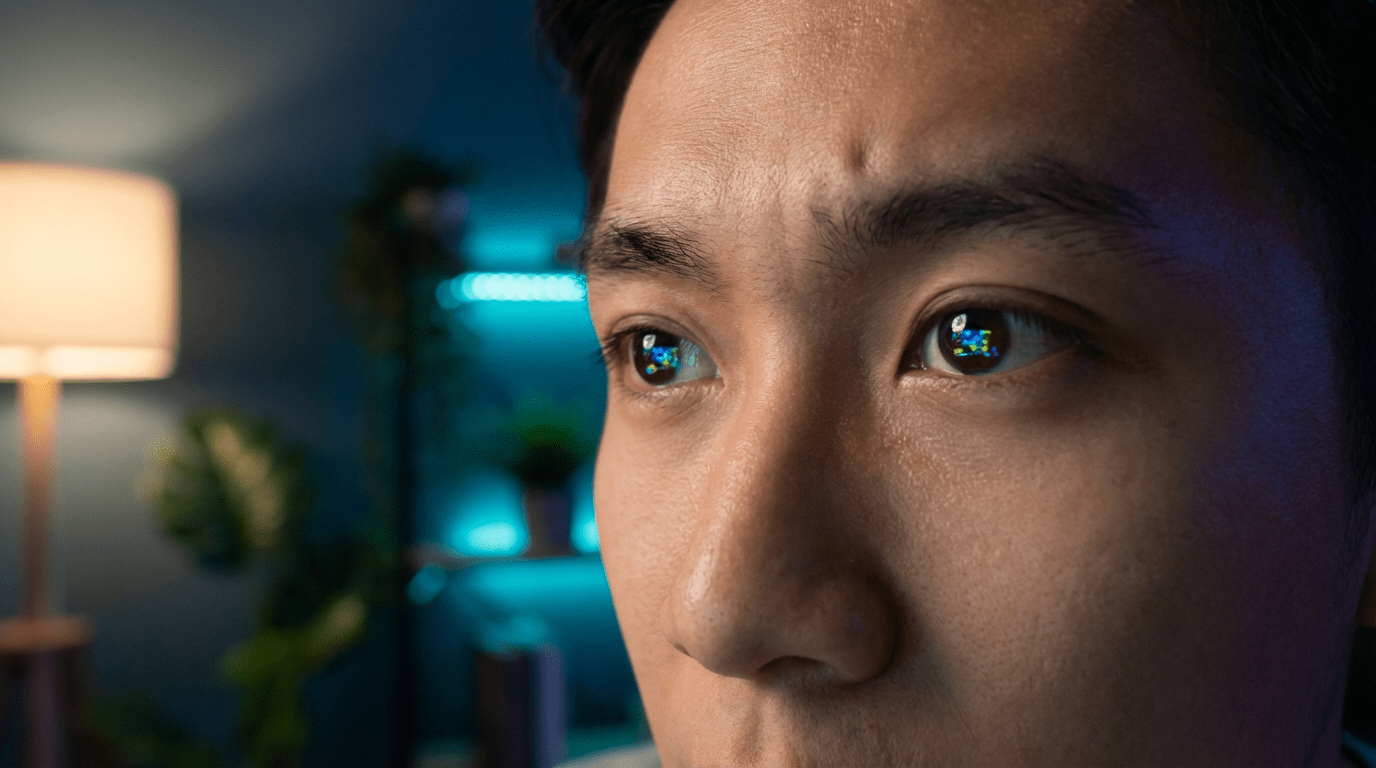
- Extended gaming sessions can lead to digital eye strain, causing headaches, blurred vision, and fatigue—but simple lifestyle changes and proper nutrition can significantly reduce these symptoms
- The 20-20-20 rule (looking at something 20 feet away for 20 seconds every 20 minutes) combined with proper screen positioning can cut eye strain by up to 50%
- Supporting your eyes with lutein and antioxidants helps protect against blue light damage and oxidative stress from hours of screen exposure
You know that feeling when you've been grinding through a raid for hours, and suddenly your eyes feel like they're made of sandpaper? Yeah, we've all been there. Whether you're chasing that next rank in competitive play or just trying to finish one more quest (it's never just one more, let's be honest), your eyes are taking a serious beating.
Here's the thing—digital eye strain isn't just annoying. It's your body's way of telling you something needs to change. The good news? You don't have to choose between your gaming passion and your eye health. With a few smart adjustments and the right support, you can game longer and feel better doing it.
Understanding Digital Eye Strain and Why Gamers Are at Risk
Let's talk about what's actually happening to your eyes during those epic gaming marathons. When you're locked into your screen, you're not just staring—you're barely blinking. Most people blink about 15-20 times per minute normally, but that drops to just 5-7 times when gaming. Less blinking means drier eyes, and dry eyes mean discomfort, redness, and that gritty feeling that makes you want to rub them constantly (don't do that, by the way).
But it goes deeper than just dry eyes. Your eye muscles are working overtime to maintain focus on a screen that's probably too close to your face. Add in the blue light exposure, the contrast between your bright screen and dark room, and the fact that you're probably hunched forward like a question mark—and you've got a recipe for serious eye fatigue.
The symptoms sneak up on you:
- Blurred vision that gets worse as the night goes on
- Headaches that start behind your eyes
- Neck and shoulder pain (your posture matters more than you think)
- Difficulty focusing after you finally log off
- Increased sensitivity to light
The 20-20-20 Rule and Screen Setup Optimization
Here's your first line of defense, and it's stupidly simple: the 20-20-20 rule. Every 20 minutes, look at something 20 feet away for 20 seconds. Set a timer if you have to. I know, I know—you're in the middle of a crucial moment. But trust me, those 20 seconds won't cost you the game, and they'll save your eyes a world of hurt.
Now let's talk about your setup, because where your screen sits matters more than you'd think:
Screen positioning basics:
- Keep your monitor about an arm's length away (20-26 inches)
- Position the top of your screen at or slightly below eye level
- Tilt your screen back 10-20 degrees to reduce glare
- Use a matte screen protector if you're dealing with reflections
Lighting matters too:
- Don't game in complete darkness (your eyes hate the contrast)
- Position your desk lamp behind your monitor, not in front
- Consider bias lighting—a soft light behind your monitor reduces eye strain significantly
- Adjust your screen brightness to match your room lighting
And here's something most gamers overlook: your screen's refresh rate and resolution. If you're still gaming on a 60Hz monitor, upgrading to 120Hz or higher isn't just about smoother gameplay—it actually reduces eye strain because there's less flicker.
Nutritional Support for Eye Health During Gaming
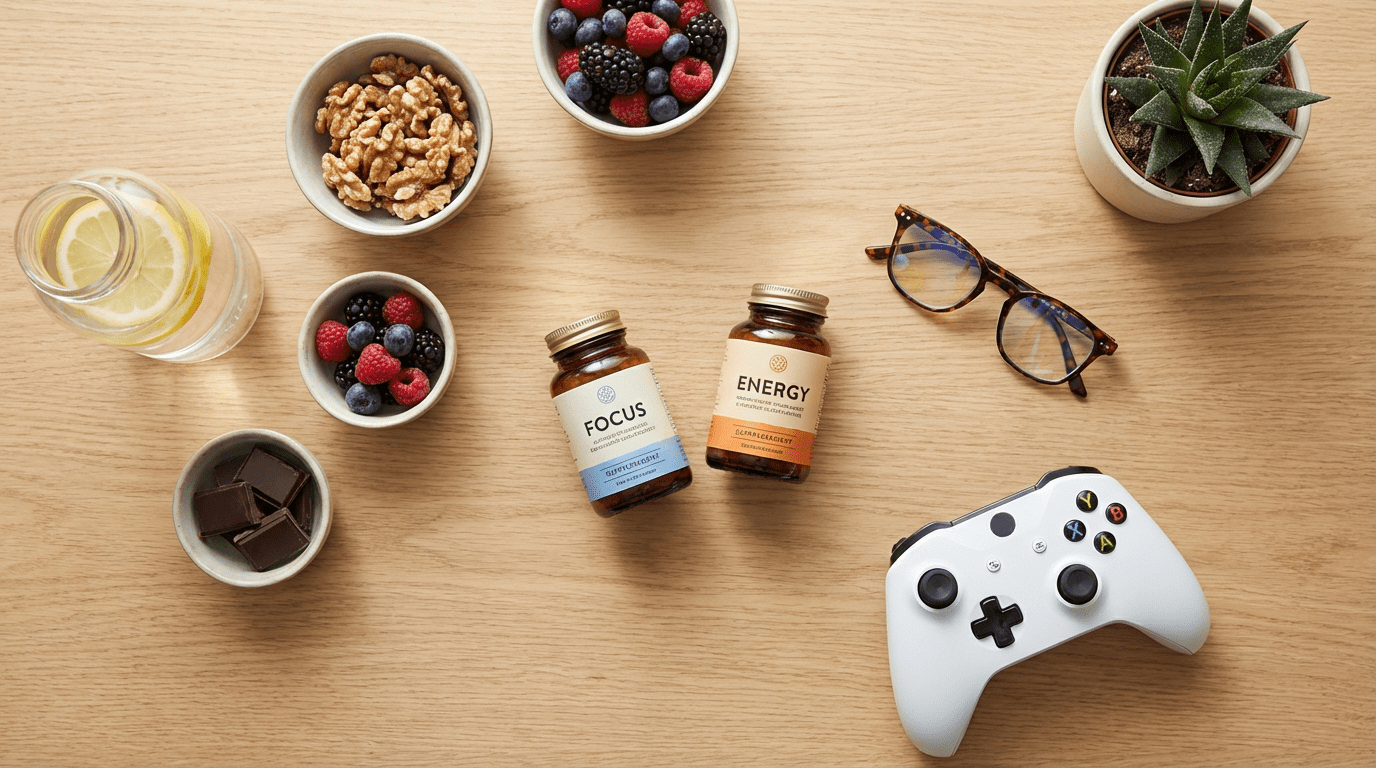
Let's be real—you can't out-supplement a terrible setup or bad habits. But supporting your eyes from the inside out? That's a game-changer (pun intended). When you're gaming for hours, you're exposing your eyes to intense blue light and forcing them to maintain constant focus. That creates oxidative stress in your eye tissues, and over time, it adds up.
Your eyes need specific nutrients to protect themselves from this kind of damage. Lutein and zeaxanthin are carotenoids that naturally accumulate in your retina and macula, acting like internal sunglasses that filter harmful blue light. Antioxidants from bilberry and grape seed extract help combat free radical damage and support healthy blood flow to your eyes.


| Feature | Nano Singapore (Premium) | Generic Competitors | The Result |
|---|---|---|---|
| Feature | Nano Singapore (Premium) | Generic Competitors | The Result |
| Ingredient Purity | Third-party tested, GMP-certified manufacturing, pharmaceutical-grade lutein and bilberry extracts from trusted suppliers | Standard ingredients with minimal testing, often lower concentrations of active compounds | Cleaner formulas with therapeutic doses mean your eyes actually get the protection they need—not just trace amounts |
| Absorption Rate (Bioavailability) | Enhanced formulations with complementary nutrients that boost absorption, optimal ratios of lutein to supporting antioxidants | Standard formulas with basic absorption, no synergistic ingredients | Your body actually absorbs and uses the lutein where it matters—in your retina and macula—for real protection |
| Award-Winning Formula | 10+ industry awards, internationally recognized quality standards, GMP-certified facilities with rigorous quality control | Generic certifications or none, minimal quality oversight | Proven excellence backed by industry recognition—you're choosing eye supplements that meet the highest standards |
| Value for Money | Premium ingredients at therapeutic doses (not just token amounts), better absorption means better results per capsule | Cheaper upfront but underdosed formulas mean you need multiple bottles to see results, if you see them at all | Better eye protection per dollar spent—premium quality delivers actual benefits for your vision, not just marketing claims |
Lifestyle Habits That Make a Difference
Supplements and screen positioning are great, but your daily habits matter just as much. Here's what actually works:
Hydration is non-negotiable. When you're focused on gaming, it's easy to forget to drink water. But dehydration makes dry eyes worse and tanks your cognitive performance. Keep a water bottle at your desk and actually use it. Aim for a sip every few minutes, not just when you're parched.
Take real breaks. I'm not talking about the 20-second eye breaks (though keep doing those). Every hour, stand up, walk around, do some stretches. Your eyes need the break, but so does your back, your neck, and your circulation. Five minutes away from the screen won't ruin your gaming session, but skipping breaks will definitely ruin your next day.
Consider blue light filtering. Most modern operating systems have built-in blue light filters (Night Shift on Mac, Night Light on Windows). Use them, especially after sunset. You can also invest in blue light filtering glasses if you prefer. The science is still out on how much they help, but many gamers swear by them.
Mind your posture. Sit back in your chair. Keep your feet flat on the floor. Don't crane your neck forward. Good posture isn't just about avoiding back pain—it affects how your eyes focus and how much strain they experience.
Blink consciously. It sounds weird, but when you're deep in a game, remind yourself to blink fully and frequently. Consider using artificial tears if your eyes feel dry—there's no shame in it, and it makes a huge difference.
Conclusion
Look, you don't have to give up gaming to protect your eyes. You just need to be smarter about how you do it. The 20-20-20 rule, proper screen setup, staying hydrated, and supporting your eyes with targeted nutrition—these aren't complicated changes, but they make a massive difference.
Your eyes are the only pair you've got, and gaming is way more fun when you're not dealing with headaches and blurred vision. Start with one or two changes from this article. Maybe it's finally adjusting your monitor height, or committing to those 20-second breaks, or adding some eye-specific nutritional support to your routine.
If you're serious about protecting your vision during gaming sessions, check out quality eye health supplements formulated with lutein and antioxidants. When you're ready to buy supplements online, choose premium formulas with therapeutic doses that actually deliver results—your eyes (and your gaming performance) will thank you.
Game on, but game smart. Your future self will appreciate it.
FAQs
- How long should I game before taking a break? Take a 5-10 minute break every hour, and follow the 20-20-20 rule (20 seconds looking 20 feet away every 20 minutes) to prevent eye strain.
- Do blue light glasses actually work for gaming? While research is mixed, many gamers report reduced eye strain with blue light glasses, especially during evening gaming sessions when combined with screen filters.
- Can lutein supplements really help with digital eye fatigue? Yes, lutein accumulates in your retina and acts as a natural filter for blue light, helping protect your eyes from oxidative damage during extended screen time.
- What's the ideal distance for my gaming monitor? Keep your monitor 20-26 inches away (about an arm's length) with the top of the screen at or slightly below eye level for optimal comfort.
- Why do my eyes feel worse after gaming in a dark room? The contrast between a bright screen and dark surroundings forces your eyes to constantly adjust, causing extra strain—always use ambient lighting when gaming.
References
- American Optometric Association. (2023). Computer Vision Syndrome. Journal of Optometry and Vision Science.
- National Eye Institute. (2024). Lutein and Zeaxanthin for Eye Health. National Institutes of Health.
- Harvard Health Publishing. (2023). Blue Light and Digital Eye Strain. Harvard Medical School.
- Mayo Clinic. (2024). Eye Strain: Symptoms and Causes. Mayo Clinic Health System.
- Healthline. (2023). Lutein and Zeaxanthin: Benefits for Eye Health. Healthline Medical Review.