- Losing 50-100 hairs daily during showering is completely normal—it's part of your hair's natural growth cycle, not a sign of balding.
- Red flags include sudden clumps of hair, visible scalp patches, or hair loss accompanied by itching and inflammation—these warrant a doctor's visit.
- Strategic nutritional support with biotin, vitamin D, and B-complex vitamins can strengthen hair follicles and reduce excessive shedding when diet alone isn't enough.
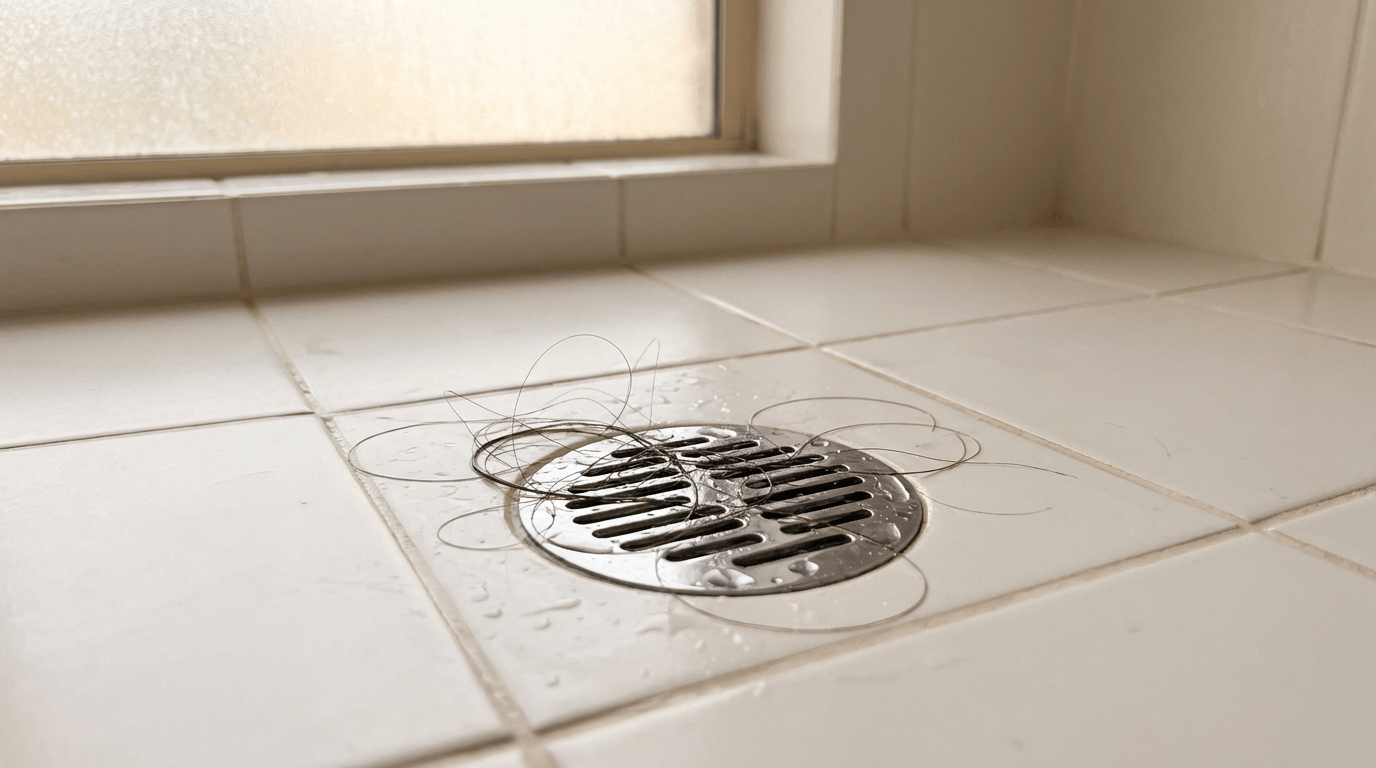
You're standing in the shower, watching what looks like a small animal's worth of hair swirl down the drain, and that familiar panic sets in. Is this normal? Am I going bald? Here's the thing—you're definitely not alone in this worry. Hair fall during showering is one of those things that can send anyone into a spiral, but the truth is, most of the time, it's completely normal. Your hair goes through natural cycles, and the shower just happens to be where you notice the shedding most. That said, there are times when hair loss signals something worth paying attention to. Let's break down when you can relax and when it's time to take action (and what kind of support actually helps).
Understanding Your Hair's Natural Shedding Cycle
Let's be honest—hair doesn't just grow forever. Each strand on your head goes through a predictable life cycle: growing (anagen phase), transitioning (catagen phase), resting (telogen phase), and eventually falling out to make room for new growth. At any given time, about 85-90% of your hair is actively growing, while the rest is chilling in the resting phase, waiting to shed.
Here's what's actually happening in your shower: those hairs you see? They were already done growing days or even weeks ago. The water and shampooing just help loosen them from your scalp. According to the American Academy of Dermatology, losing 50-100 hairs per day is totally normal. Since many of us don't brush our hair throughout the day (especially if you've got curly or textured hair), the shower becomes the collection point for all that natural shedding.
What's normal:
- 50-100 hairs per day (yes, that can look like a lot when it's all in one place)
- More shedding after skipping a few days of washing
- Seasonal increases in fall and spring
- A few extra strands during hormonal shifts (postpartum, menopause, stress periods)
Red Flags: When Hair Fall Needs Attention
You know what? Sometimes your body's trying to tell you something. While most hair shedding is no big deal, certain patterns should prompt a conversation with your healthcare provider.
Warning signs to watch for:
- Sudden dramatic increase: If you're suddenly losing way more hair than usual (like, noticeably more clumps)
- Bald patches or thinning spots: Visible scalp areas where hair used to be thick
- Hair coming out in clumps: When you can pull out multiple strands easily with gentle tugging
- Scalp changes: Redness, scaling, itching, or pain accompanying the hair loss
- Eyebrow or body hair loss: When it's not just your scalp
These could signal underlying issues like thyroid problems, nutritional deficiencies (iron, vitamin D, protein), autoimmune conditions (alopecia areata), or hormonal imbalances. A dermatologist or your primary care doctor can run blood tests to check for these conditions and recommend appropriate treatment.
Supporting Healthy Hair from the Inside Out
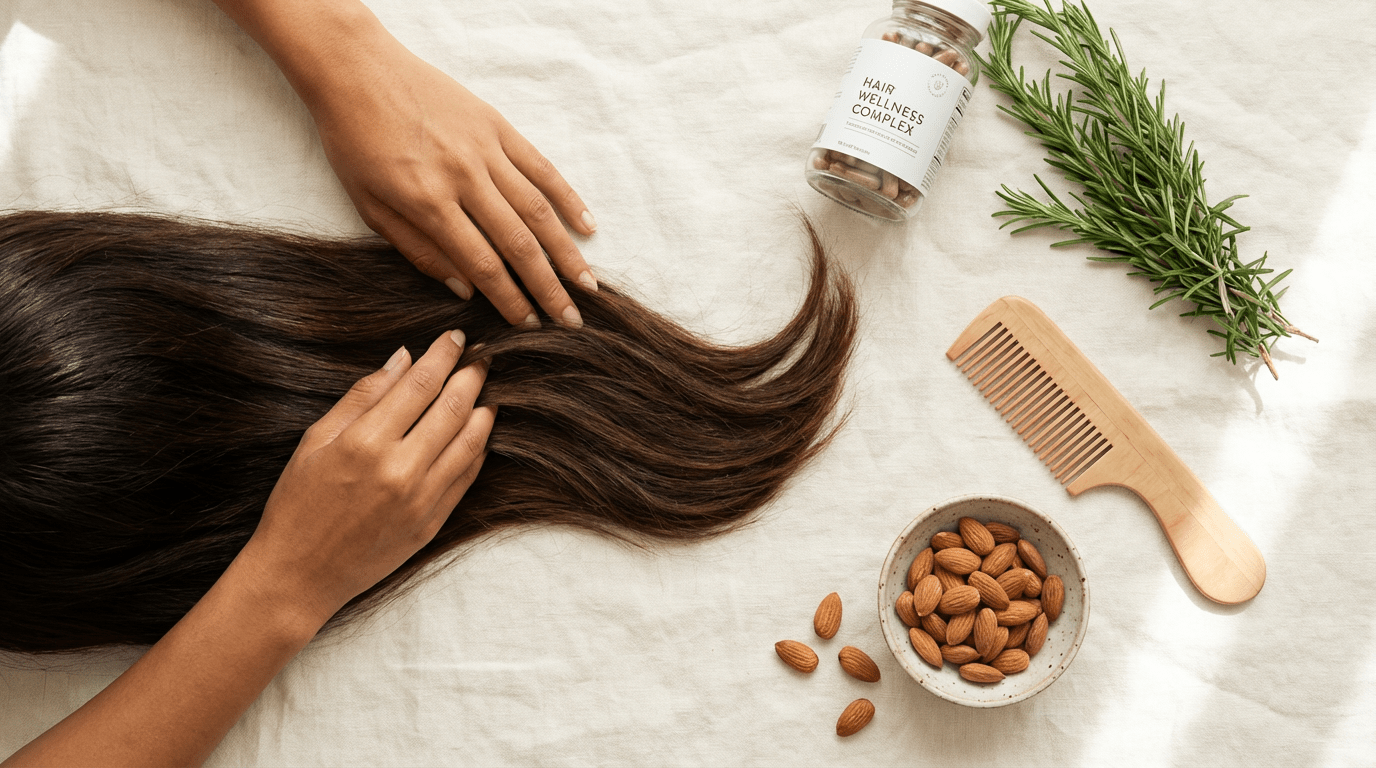
Here's where things get interesting. While you can't stop the natural hair cycle (nor would you want to—it's healthy!), you can support your hair's strength and minimize excessive shedding through proper nutrition. Truth is, your hair follicles are some of the most metabolically active cells in your body, which means they need a steady supply of nutrients to function optimally.


Don't overlook the broader B-vitamin family either. Vitamin B Complex supports overall cellular function, energy metabolism, and stress management—all of which indirectly affect hair health. When you're stressed or run down, your body prioritizes essential functions over hair growth (makes sense, right?).

| Feature | Nano Singapore (Premium) | Generic Competitors | The Result |
|---|---|---|---|
| Feature | Nano Singapore (Premium) | Generic Competitors | The Result |
| Ingredient Purity | Award-winning formulations with bioavailable forms of vitamins (10+ industry awards, GMP-certified) | Standard synthetic vitamins with lower absorption rates | Your body actually absorbs and uses the nutrients effectively |
| Vitamin D Inclusion | Hair Skin & Nails Extreme includes vitamin D specifically for follicle stimulation | Most competitors skip vitamin D or use inadequate doses | Addresses a key deficiency linked to hair loss, especially in females |
| Biotin Dosage | 900mcg aligned with HSA safety guidelines, plus keratin and coconut oil | Often mega-doses (10,000mcg+) that can interfere with lab tests | Safe, effective dosing without medical test interference |
| Comprehensive Support | Complete spectrum of hair-supporting nutrients (A, B-complex, C, D, biotin, iron, calcium, zinc) | Single-nutrient focus or incomplete formulas | Addresses multiple nutritional pathways for hair health |
| Value for Money | Premium ingredients at competitive pricing with 60-180 count bottles | Cheaper ingredients requiring higher doses or more frequent replacement | Better long-term results and cost-effectiveness |
Practical hair care tips to minimize shower shedding:
- Use lukewarm (not hot) water—heat can weaken hair shafts
- Be gentle when shampooing; massage your scalp with fingertips, not nails
- Detangle with a wide-tooth comb before showering
- Apply conditioner from mid-length to ends, not the scalp
- Pat hair dry instead of aggressive towel-rubbing
- Avoid tight hairstyles that create tension on follicles
The Stress-Hair Connection You Can't Ignore
Let's talk about something that doesn't get enough attention: stress-induced hair loss (telogen effluvium). When you go through a major stressor—illness, surgery, emotional trauma, crash dieting, even a high fever—your body can push a bunch of hair follicles into the resting phase all at once. The kicker? You won't see the shedding until 2-3 months later, which is why people often can't connect the dots.
The good news is that telogen effluvium is usually temporary. Once you address the stressor and support your body nutritionally, hair growth typically resumes within 6-9 months. This is where comprehensive nutritional support becomes particularly valuable—you're giving your follicles the building blocks they need to recover and restart the growth cycle.

Listen to Your Hair (and Your Body)
So, when should you worry about that hair in your shower drain? If you're seeing normal amounts (even if it looks like a lot), your scalp looks healthy, and there's no sudden change in pattern, you're probably fine. Hair shedding is natural, and the shower just makes it more noticeable.
But if you're experiencing red flags—sudden increases, bald patches, or scalp irritation—don't wait. See a healthcare provider to rule out underlying conditions. And whether you're dealing with normal shedding or trying to support recovery from excessive hair loss, remember that nutrition plays a huge role. Your hair follicles need consistent nutritional support to do their job.
If you're looking to buy supplements online for hair health, focus on comprehensive formulas that address multiple nutritional pathways. Quality hair and skin supplements with biotin, vitamin D, B-complex vitamins, and essential minerals can make a real difference when diet alone isn't cutting it. Just remember—supplements work best as part of an overall healthy lifestyle, not as a magic fix. Give it time (at least 2-3 months), be patient with your body, and focus on sustainable support rather than quick fixes.
FAQs
- How much hair loss in the shower is too much? Losing more than 100-150 hairs daily, especially if you notice sudden increases or visible thinning, warrants a doctor's visit to check for underlying issues.
- Can shampooing too often cause hair loss? No—shampooing doesn't cause hair loss, it just removes hairs that were already ready to fall out. Washing frequency doesn't affect your hair growth cycle.
- How long does it take for hair supplements to work? Most people need 1-3 months of consistent use to see noticeable improvements, as hair grows slowly (about half an inch per month).
- Is hair shedding worse in certain seasons? Yes—many people experience increased shedding in fall and spring due to hormonal shifts related to changing daylight hours, similar to animals' seasonal coat changes.
- Can stress really make your hair fall out? Absolutely. Major stressors can trigger telogen effluvium, pushing hair follicles into resting phase, with shedding appearing 2-3 months later. It's usually temporary.
References
- American Academy of Dermatology Association. (2024). Hair loss: Who gets and causes. Journal of the American Academy of Dermatology.
- National Institutes of Health. (2023). Office of Dietary Supplements - Biotin Fact Sheet for Health Professionals. NIH Office of Dietary Supplements.
- Almohanna, H. M., Ahmed, A. A., Tsatalis, J. P., & Tosti, A. (2019). The Role of Vitamins and Minerals in Hair Loss: A Review. Dermatology and Therapy, 9(1), 51-70.
- Guo, E. L., & Katta, R. (2017). Diet and hair loss: effects of nutrient deficiency and supplement use. Dermatology Practical & Conceptual, 7(1), 1-10.
- Harvard Health Publishing. (2023). Treating female pattern hair loss. Harvard Medical School.