

- Different Mechanisms: Melatonin is a hormone that regulates your "sleep-wake" timing (circadian rhythm), while Ashwagandha is an adaptogenic herb that helps the body manage stress and promote relaxation.
- Best Use Cases: Melatonin is ideal for short-term issues like jet lag or shift work. Ashwagandha is better suited for long-term support if your sleep problems are driven by daily stress and a "racing mind."
- Routine vs. Rescue: Melatonin is often used as a "rescue" for sleep onset, whereas an ashwagandha dietary supplement is typically taken daily to build a foundation of calm that supports better sleep quality over time.
If you've been struggling with sleep, you've probably seen two names come up over and over again: melatonin and ashwagandha. Both are popular options for people who want better rest without jumping straight to prescription sleep medication—but they actually work in very different ways.
Understanding the difference between melatonin vs ashwagandha can help you choose what's more suitable for your specific sleep issues, lifestyle, and health situation.
In this guide, we'll break down how each one works, who they may be best for, and what to consider before trying them. We'll also look at where an ashwagandha dietary supplement might fit into a broader sleep routine.
Disclaimer: This article is for general information only and does not constitute medical advice. Always consult your doctor or healthcare professional before starting any new supplement, especially if you have existing medical conditions, are pregnant or breastfeeding, or are taking medication.
What Is Melatonin?
Melatonin is a hormone that your body naturally produces in response to darkness. It helps regulate your sleep-wake cycle, also called your circadian rhythm. When it gets dark, your brain releases more melatonin to signal that it's time to wind down and prepare for sleep.
Melatonin supplements are typically synthetic versions of this hormone. They're often used for:
- Jet lag
- Shift work sleep issues
- Occasional difficulty falling asleep
- Resetting a disrupted sleep schedule
Melatonin is not a sedative. Instead, it tells your body that it's "night time" and can help you fall asleep faster in certain situations.
What Is Ashwagandha?
Ashwagandha is a traditional herb used in Ayurvedic wellness practices. It's often classified as an adaptogen—a substance believed to help the body adapt to stress.
Instead of directly pushing you to sleep, an ashwagandha dietary supplement is more often used to:
- Support stress management
- Promote a sense of calm and relaxation
- Help maintain overall wellbeing, which can indirectly support better sleep quality

At Nano Singapore, Ashwagandha Extreme is formulated as a dietary supplement designed for adults who want a convenient way to incorporate ashwagandha into their daily routine as part of their broader wellness and sleep-support habits. When you buy supplements online, choosing a trusted brand like Nano Singapore ensures you're getting a quality product backed by transparency and care.

Melatonin vs. Ashwagandha: How Do They Work Differently?
Although both are associated with sleep, they work through different pathways.
Melatonin: Supports Your Body Clock
Melatonin mainly helps with timing:
- Signals to your brain that it's time to sleep
- May help reduce the time it takes to fall asleep
- Often used for short-term situations (such as jet lag or occasional disrupted sleep)
Because it's a hormone, it's closely tied to light exposure, screen use at night, and your overall sleep routine.
Ashwagandha: Supports Stress Response and Calm
Ashwagandha is more about how your body responds to stress:
- Commonly used as an adaptogen to help the body cope with everyday stress
- May support relaxation and a calmer mood
- Often taken regularly over a period of time as part of a daily routine
Instead of directly "knocking you out," ashwagandha is often chosen by people whose sleep problems are linked to stress, racing thoughts, or a generally "wired but tired" feeling.
Which Is Better for Falling Asleep Quickly?
If your main problem is that you can't fall asleep at your target bedtime, especially after travel or irregular schedules, melatonin is often the option people consider first. It's more closely tied to sleep timing and your internal body clock.
Melatonin might be more commonly used when:
- You're dealing with jet lag
- You recently switched work shifts
- You're trying to reset a late-night sleep schedule
However, melatonin is usually recommended for short-term or occasional use, and it's important not to exceed recommended dosages. Always follow the label instructions and talk to a healthcare professional if you're unsure.
Which Is Better for Stress-Related Sleep Problems?
If you find yourself lying in bed with your mind racing, or you feel constantly stressed during the day and then struggle to wind down at night, you might be dealing with stress-related sleep issues.
In this context, many people look at ashwagandha as a way to support:
- Everyday stress management
- A calmer mood
- A more relaxed state before bedtime
An ashwagandha dietary supplement like Ashwagandha Extreme is typically taken as part of a daily routine, not just right before bed once in a while. It's more of a longer-term support option rather than a quick fix.
That said, every individual responds differently, and results can vary. It's still important to combine it with healthy sleep habits like:
- Reducing screen time before bed
- Keeping a consistent sleep schedule
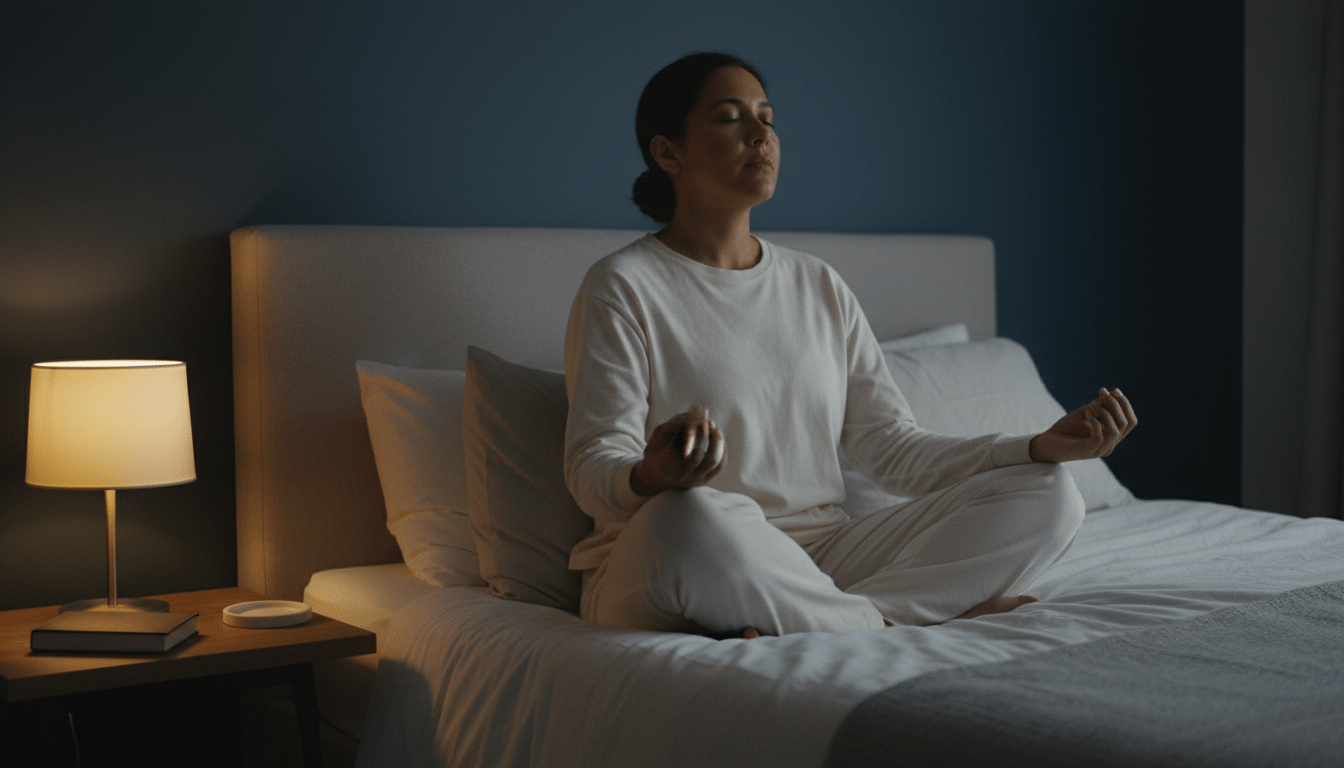
- Creating a calm, dark, and quiet sleep environment
Can You Take Melatonin and Ashwagandha Together?
Some people do choose to use both—as always, this is something you should confirm with your healthcare provider first.
Because melatonin and ashwagandha have different roles:
- Melatonin is tied to your circadian rhythm and sleep onset.
- Ashwagandha is more about managing stress and promoting calm.
In theory, they may complement one another in certain sleep routines. However:
- Everyone's body and health profile is unique
- There may be considerations if you are on other medication or have specific conditions
- Your doctor or pharmacist is the best person to advise you on combinations and dosages
Never assume that "natural" automatically means "safe for everyone in all combinations."
Possible Side Considerations
With Melatonin
Some people report:
- Grogginess the next morning
- Vivid dreams
- Headache or dizziness in some cases
These effects may depend on dosage, timing, individual sensitivity, and how often it's taken.
With Ashwagandha
Some people report:
- Digestive discomfort
- Drowsiness in some cases
- Noticing effects only after regular use over some time
Ashwagandha might not be suitable for everyone, including certain individuals with specific medical conditions or those who are pregnant or breastfeeding. Always check with your healthcare provider before use.
How to Decide: Melatonin vs Ashwagandha
When you're trying to decide between melatonin vs ashwagandha, it can help to ask yourself a few questions:
- What is my main issue? Trouble falling asleep at a consistent time? Or feeling stressed, anxious, and unable to wind down?
- Is my problem temporary or ongoing? Jet lag or a week of late nights? Or long-term stress and lifestyle factors?
- Have I looked at my sleep habits? Caffeine intake Screen use Bedtime routine Sleep environment
Sometimes adjusting lifestyle factors plus the right support can make a bigger difference than any single supplement alone.

Where an Ashwagandha Dietary Supplement Fits In
If stress and daily tension are major contributors to your sleep issues, adding something that supports calm and balance during the day can sometimes help you feel more ready for rest at night.
An ashwagandha dietary supplement like Ashwagandha Extreme may appeal to adults who:
- Want to support stress management and relaxation
- Prefer a routine-based approach rather than a one-off, "take only on bad nights" solution
- Are looking for a capsule format they can easily include in their daily regimen
Again, this should always be paired with healthy habits and professional guidance when needed. When you decide to buy supplements online, make sure you're choosing from a reputable source that provides clear ingredient information and customer support.
You can find more details about Ashwagandha Extreme—ingredients, directions for use, and customer reviews here: Ashwagandha Extreme
The Bottom Line
When comparing melatonin vs ashwagandha for sleep problems, it helps to think about the root cause of your issue:
- If you mainly struggle with sleep timing—falling asleep at the right hour or adjusting after travel—melatonin is often considered.
- If your sleep struggles are closely tied to stress, tension, and a busy mind, an ashwagandha dietary supplement may be one of the options you discuss with your healthcare provider as part of a broader routine.
Whichever you consider, use it as one piece of a larger picture that includes lifestyle changes, good sleep habits, and professional advice when needed.
FAQs
- Is melatonin or ashwagandha stronger for sleep?They work differently rather than one simply being "stronger." Melatonin is more directly tied to your body clock and sleep timing, while ashwagandha is often used to support stress management and relaxation, which can indirectly help sleep.
- Can I take ashwagandha every night?Many people take ashwagandha daily as part of their wellness routine. However, the right timing, dosage, and duration can vary by individual. Always follow the product directions and consult your healthcare provider, especially if you have any medical conditions.
- Can I use melatonin long-term?Melatonin is often used for short-term or occasional support (for example, during travel or when adjusting a sleep schedule). Long-term use is something you should discuss with a healthcare professional who knows your history.
- Is ashwagandha safe for everyone?Not necessarily. Ashwagandha may not be suitable for everyone, such as certain individuals with medical conditions or pregnant/breastfeeding women. Always check with your doctor before starting ashwagandha or any other supplement.
- Do I still need good sleep habits if I take melatonin or ashwagandha?Yes. No supplement can replace healthy sleep hygiene. Regular routines, reduced screen time, a comfortable sleep environment, and managing caffeine and stress all play a major role in sleep quality.
References
- National Center for Complementary and Integrative Health. (2023, August). Melatonin: What you need to know. U.S. Department of Health and Human Services.
- Langade, D., Kanchi, S., Salve, J., Debnath, K., & Ambegaokar, D. (2019). Efficacy and safety of Ashwagandha (Withania somnifera) root extract in insomnia and anxiety: A double-blind, randomized, placebo-controlled study. Cureus, 11(9), e5797.
- Sleep Foundation. (2023). Ashwagandha for sleep. Sleep Foundation.
- Durg, S., Dhadde, S. B., Vandal, R., Shivakumar, B. S., & Charan, C. S. (2020). A systematic review on the pharmacological and clinical aspects of Withania somnifera (Ashwagandha). Journal of Ethnopharmacology, 255, 112768.
- Mayo Clinic Staff. (2022, September 16). Melatonin side effects: What are the risks? Mayo Clinic.