

- Mental wellbeing is now one of Singapore’s biggest daily challenges, affecting adults, teens, and even children in ways most people don’t talk about openly.
- Small lifestyle adjustments—like sleep hygiene, daily routines, mindful breaks, and nutrition—can genuinely help support emotional balance.
- Safe supplementation, including options like an ashwagandha dietary supplement, may complement lifestyle changes for stress and mood support.
In recent years, something quiet yet serious has been happening beneath Singapore’s fast-paced, high-achieving culture. Many people are smiling on the outside but struggling on the inside—and they’re doing it silently.
Search data, workplace reports, and healthcare studies reveal that mental health in Singapore has become a daily challenge for more individuals than ever before.
People are feeling anxious, burnt out, emotionally drained, and exhausted. But at the same time, Singaporeans are also learning to open up, ask for help, and explore solutions that fit their lifestyle—from therapy and community support to nutrition, sleep regulation, and even natural supplements.
This article explores what’s happening, why it matters, and how everyday Singaporeans can take practical steps toward better emotional wellbeing. As always—anyone with pre-existing medical conditions should speak to a doctor before making any changes.
Why Mental Health Has Become Singapore’s Daily Battle
Our fast-paced culture comes with hidden pressure
Singapore has always been known for being efficient, ambitious, and high-performing. But that exact strength also creates intense pressure. The constant push to achieve—whether in school, work, or life—can take a toll that builds up over time.
People often keep going until they hit breaking point because they don’t want to appear “weak” or “unable to cope.” This creates a cycle of silent stress.
Technology keeps our minds switched on
Even outside office hours, our brains rarely get a break. Messages, emails, notifications, deadlines, and group chats follow us everywhere.
This digital overload causes fatigue and prevents the mind from resetting.
Singaporeans are feeling more lonely despite being surrounded by people
One of the most surprising findings in recent studies is that many adults feel isolated even when they live, work, or commute alongside millions of people. Loneliness doesn’t always look like being physically alone—sometimes it’s the lack of emotional support or meaningful connection.
Younger generations are burning out earlier
Students today face heavier academic competition and social pressure. More teens are experiencing anxiety, attention issues, body image struggles, and stress-related symptoms. This makes early mental health education crucial.
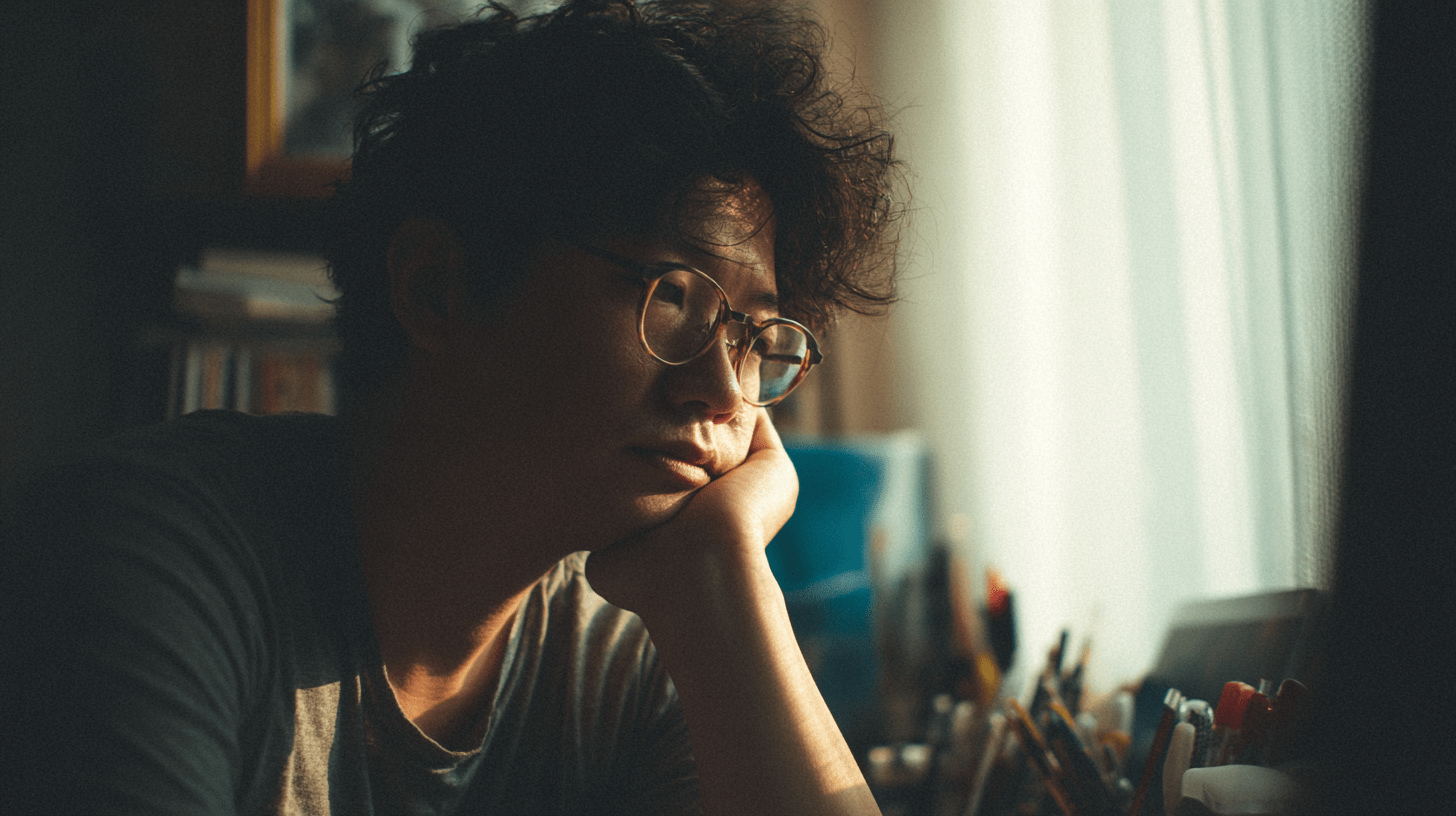
Signs Your Mental Wellbeing Needs Attention
Mental health challenges don’t always show up as breakdowns. Sometimes they appear subtly:
Emotional signs
- Feeling overwhelmed by simple tasks
- Irritable or easily upset
- Low motivation
- A general sense of emptiness or numbness
Physical signs
- Chronic fatigue
- Headaches or tight shoulders
- Upset stomach
- Trouble sleeping
Behavioral signs
- Withdrawing from people
- Losing interest in hobbies
- Difficulty focusing
- Procrastinating even on small tasks
Singaporeans often dismiss these early signs and say “I’m just tired,” yet these are the exact signals the body uses to warn us that something deeper needs attention.
What Singaporeans Can Do Today to Support Their Mental Health
Take mini breaks throughout the day
You don’t need a 2-hour break to reset your mind. Even a 3–5 minute pause can help your brain relax. Many workplace counsellors in Singapore recommend “micro-breaks” for mental relief.
Try:
- Looking away from your screen
- Deep breathing
- Standing and stretching
- Drinking water mindfully
These small actions prevent mental load from accumulating.
Practice “intentional rest”
This is different from scrolling TikTok or binge-watching shows. Intentional rest means choosing activities that truly recharge your mind.
Such as:
- Listening to calming music
- Journaling
- Talking to someone you trust
- Spending time outdoors
- Meditating or praying
When rest becomes intentional, your emotional resilience increases.
Build a predictable daily rhythm
Routine isn’t boring—it's regulating.A stable routine gives your brain a sense of structure, which reduces anxiety and helps you stay grounded.
Simple things help, like:
- Waking up and sleeping at similar times
- Regular mealtimes
- Setting a cut-off time for work
- Scheduling time for yourself
This is especially important in Singapore where days can feel rushed and unpredictable.
Nourish the body to support the mind
What you eat can influence how you feel. Research shows strong links between diet and mental wellness.
Try to include:
- Whole grains
- Leafy vegetables
- Nuts and seeds
- Oily fish
- Fermented foods like kimchi or yogurt
A nourished body supports a stable mind.
The Role of Natural Supplements in Stress & Mood Support
While lifestyle changes are essential, some people also explore natural wellness options like adaptogenic herbs to help their bodies cope with stress.

You may also consider options available from trusted local brands when you buy supplements online, but always remember:
If you have a medical condition, are pregnant, or are taking medication, consult a doctor before trying any supplement.

How to Choose Safe & Reliable Supplements in Singapore
The supplement market is huge, and not all products are equal. To choose wisely:
Buy from reputable stores or brands
Avoid unknown sellers without proper reviews or certification. When you buy supplements online, always check authenticity and customer feedback.
Look for transparency in ingredients
Quality brands clearly list:
- Ingredient source
- Serving size
- Full supplement facts
- Safety precautions
- Manufacturing standards
Avoid overpromising claims
A good supplement supports the body—it does not replace medical treatment.
Be cautious of:
- “Instant results”
- “Cure-all” claims
- Products with no customer reviews
Always check if it's suitable for your health condition
People with chronic illnesses—like thyroid issues, hypertension, anxiety disorders, or autoimmune conditions—should always consult a doctor first.
Give it time
Natural supplements support your system gradually. Consistency matters more than expecting overnight changes.
Conclusion
Mental wellness is no longer something Singaporeans can ignore. It's becoming part of our everyday reality—whether you're a student, a parent, a working adult, or a caregiver.
You don’t have to completely overhaul your life to feel better. You can start with small acts of care:
- honouring your rest
- checking in with your emotions
- nourishing your body
- speaking to someone you trust
- and exploring safe wellness tools available locally
Most importantly, you don’t have to struggle silently. Mental health is a shared journey, and support is always available.
And again—if you have any medical conditions, consult a doctor before trying new routines or supplements.
FAQs
- Is mental health in Singapore really getting worse? Recent surveys show rising levels of stress, anxiety, and burnout across different age groups. The good news is that more people are also seeking support and talking about it.
- Are natural supplements safe for mental health support? Some supplements—like ashwagandha—have studies supporting stress and sleep benefits. But they are not medical treatment. People with health conditions should consult a doctor first.
- Can I buy mental wellness supplements online in Singapore? Yes. Many reputable brands offer safe options. Just make sure to check certifications, reviews, and ingredient lists before purchasing.
- What lifestyle habits help improve mental health? Consistent sleep, outdoor time, balanced nutrition, mindful breaks, and regular routines are simple but powerful.
- How long does it take to feel improvements? It depends on the individual and the type of support used. Lifestyle changes typically show benefits within weeks, while supplements may take time and consistency.
Reference
- Chandrasekhar, K., Kapoor, J., & Anishetty, S. (2012). A prospective, randomized Double-Blind, Placebo-Controlled study of safety and efficacy of a High-Concentration Full-Spectrum extract of ashwagandha root in reducing stress and anxiety in adults. Indian Journal of Psychological Medicine, 34(3), 255–262.
- Harvard Health. (2024, April 3). Understanding the stress response.
- World Health Organization: WHO. (2025, October 8). Mental health.
- Subramaniam, M., Vaingankar, J. A., Tan, B., Abdin, E., Chang, S., Tan, Y., Samari, E., Archana, S., Chua, Y. C., Lee, J. K., Tang, C., Lee, Y. P., Chong, S. A., & Verma, S. K. (2025). Examining psychological distress among youth in Singapore: Insights from the National Youth Mental Health Study. Asian Journal of Psychiatry, 105, 104405.
- Noble, D. (2024, May 30). Can ashwagandha supplements really provide stress relief? Mayo Clinic Press.