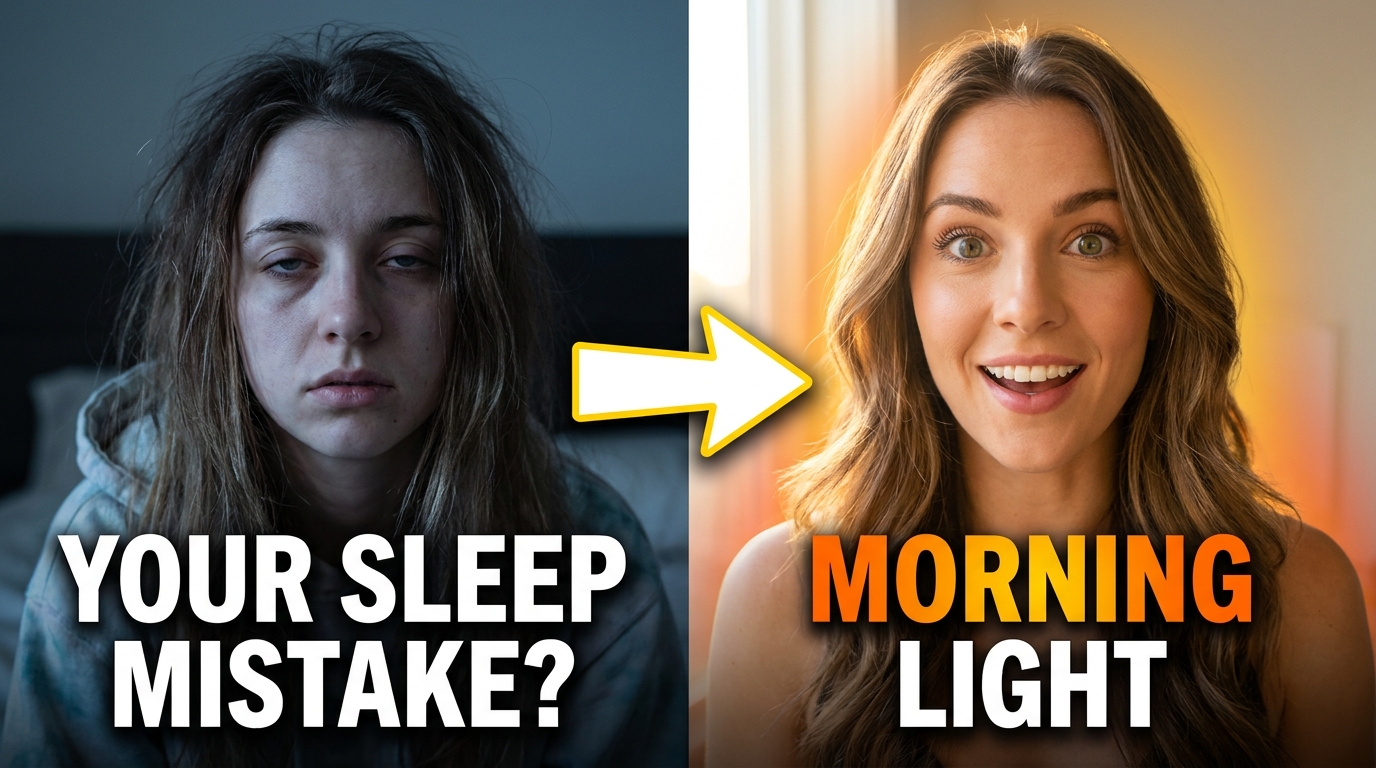

Why Are You Waking Up Tired? The Surprising Sleep Habits You Need to Change
- Uncover the hidden reasons behind waking up tired.
- Learn effective strategies to enhance your sleep quality.
- Explore how a sleep supplement can support better rest.
You wake up feeling groggy, despite spending hours in bed. This persistent fatigue affects your mood, productivity, and overall well-being. You're not alone—many individuals experience this frustrating cycle. You might blame stress, workload, or age, but the root causes often lie in overlooked habits and lifestyle choices. From poor sleep hygiene to undiagnosed sleep disorders, these factors can sabotage your rest. Even if you think you're getting enough sleep, the quality matters just as much. In this blog, we'll delve into the surprising reasons you're waking up tired and provide actionable tips to transform your sleep habits. By understanding these factors and making informed changes, you can reclaim your energy and enjoy restful nights.
The Hidden Culprit – Sleep Apnea
Understanding Sleep Apnea
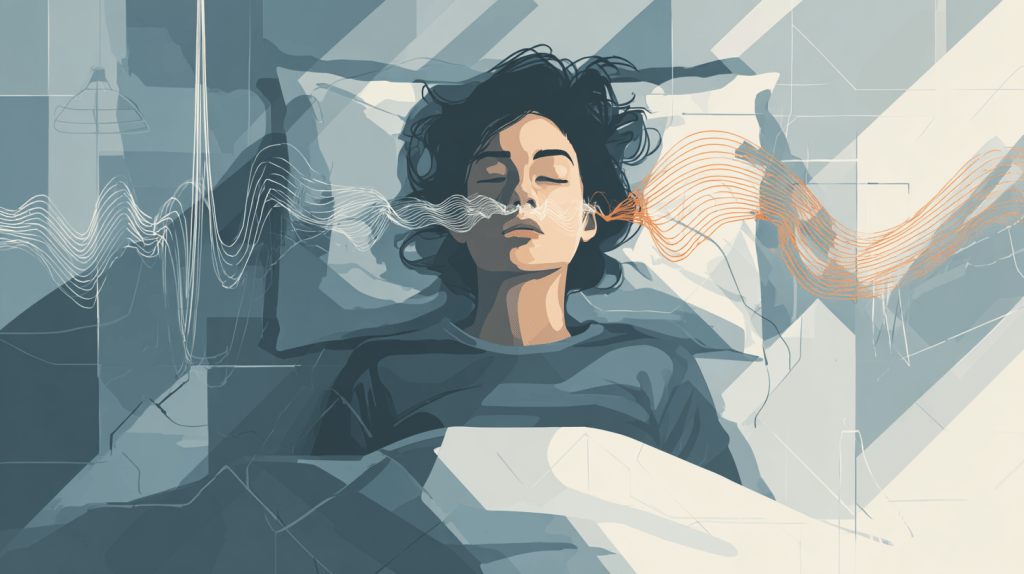
Sleep apnea is a common yet underdiagnosed condition where breathing repeatedly stops and starts during sleep.
This disrupts the sleep cycle, leading to poor rest and daytime fatigue.
Symptoms include loud snoring, choking, or gasping during sleep.
Impact on Sleep Quality
Even if you sleep for 7-9 hours, sleep apnea can prevent you from reaching restorative sleep stages.
This results in waking up tired and feeling unrested.
Over time, untreated sleep apnea can lead to serious health issues like hypertension and heart disease.
Seeking Help
If you suspect sleep apnea, consult a healthcare professional.
Diagnosis often involves a sleep study, and treatment options include CPAP therapy or lifestyle changes.
Addressing this condition can significantly improve your sleep and overall health.
The Role of Diet and Hydration
Dietary Choices Affect Sleep
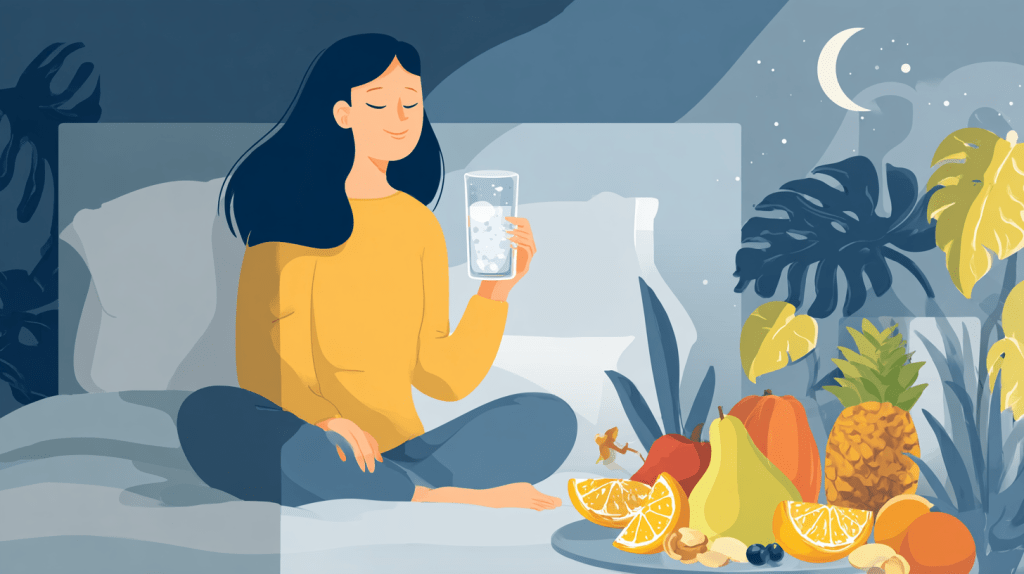
Consuming heavy meals, caffeine, or alcohol close to bedtime can disrupt sleep patterns.
These substances interfere with the body's ability to fall asleep and stay asleep, leading to poor sleep quality.
Importance of Hydration
Dehydration can cause fatigue and hinder sleep.
Drinking adequate water throughout the day ensures your body functions optimally and supports restful sleep.
Healthy Eating Habits
Incorporate a balanced diet rich in fruits, vegetables, and whole grains.
Avoid large meals and stimulants before bedtime to promote better sleep quality and wake up feeling refreshed.
The Impact of Stress and Anxiety
Stress and Sleep Disruption
Chronic stress and anxiety can lead to insomnia and poor sleep quality.
The body's heightened alertness during stressful times makes it difficult to relax and fall asleep.
Physical Effects
Stress increases the production of cortisol, a hormone that can interfere with the sleep-wake cycle.
Elevated cortisol levels at night can prevent deep sleep, leaving you feeling tired upon waking.
Managing Stress
Engage in relaxation techniques such as meditation, deep breathing exercises, or yoga.
Establishing a calming bedtime routine can signal your body that it's time to wind down and prepare for restful sleep.
The Dangers of Sleep Inertia
What Is Sleep Inertia
Sleep inertia refers to the grogginess and impaired cognitive function experienced upon waking.
This state can last from a few minutes to several hours, affecting your ability to perform daily tasks.
Causes of Sleep Inertia
Abrupt awakenings during deep sleep stages, such as slow-wave sleep, can intensify sleep inertia.
Additionally, sleep deprivation and inconsistent sleep schedules contribute to this phenomenon.
Mitigating Sleep Inertia
Maintain a consistent sleep schedule, avoid using alarm clocks that disrupt your natural sleep cycle, and ensure your sleep environment is conducive to rest.
These practices can help reduce the effects of sleep inertia.
The Benefits of Sleep Supplements
When to Consider Supplements
If lifestyle changes aren't enough to improve your sleep, supplements may offer additional support.
Look for products containing natural ingredients known to promote relaxation and sleep quality.
What to Look For
Choose supplements with ingredients like melatonin, magnesium, and ashwagandha.
These have been shown to support the body's natural sleep processes and reduce stress.
Consulting a Professional
Before starting any supplement, consult with a healthcare provider to ensure it's appropriate for your individual needs and won't interact with other medications or conditions.
Conclusion
Waking up tired isn't just a minor inconvenience—it can be a sign of underlying issues affecting your health and well-being. By understanding the factors contributing to poor sleep and making informed changes, you can improve your sleep quality and overall health. Remember, addressing sleep problems is a journey. Implementing consistent habits, managing stress, and considering natural supplements can lead to better sleep and a more energized life. If you're looking for an effective solution, you can buy supplements online to enhance your sleep quality and overall well-being.
FAQs (Frequently Asked Questions)
- Why do I wake up tired after a full night’s sleep? It could be due to poor sleep quality, sleep disorders like sleep apnea, stress, or an inconsistent sleep schedule. The quality of sleep is just as important as the quantity.
- How can I improve my sleep hygiene? Stick to a consistent sleep schedule, avoid heavy meals and stimulants before bed, and create a calming bedtime routine to improve your sleep quality.
- Can sleep supplements help me wake up less tired? Yes, natural supplements with ingredients like melatonin and ashwagandha can help improve sleep quality. Always consult a healthcare provider before using them.
- What is sleep apnea and how does it affect sleep? Sleep apnea causes breathing interruptions during sleep, preventing deep rest and leaving you tired. Seek medical advice if you suspect you have it.
- What are the benefits of ashwagandha for sleep? Ashwagandha helps reduce stress and promote relaxation, improving sleep quality. It’s available in Nano Singapore like Deep Sleep Extreme for better rest.
References
- Journal of Clinical Sleep Medicine. (2025, June 1). Journal of Clinical Sleep Medicine.
- Sarver, A. (2024, December 26). What is Sleep Apnea? SleepApnea.org.
- Santos-Longhurst, A. (2019, March 5). Why do I keep waking up tired? Healthline.
- UpJourney. (2024, September 27). Why do I wake up tired? (30+ reasons according to experts).
- Leonard, J. (2024, March 5). Causes and treatment options for waking up tired.