Key Takeaways
- Keto is the most extreme end of low-carb: very low carbohydrate, higher fat, and usually only needed if you specifically want nutritional ketosis—not just weight loss.
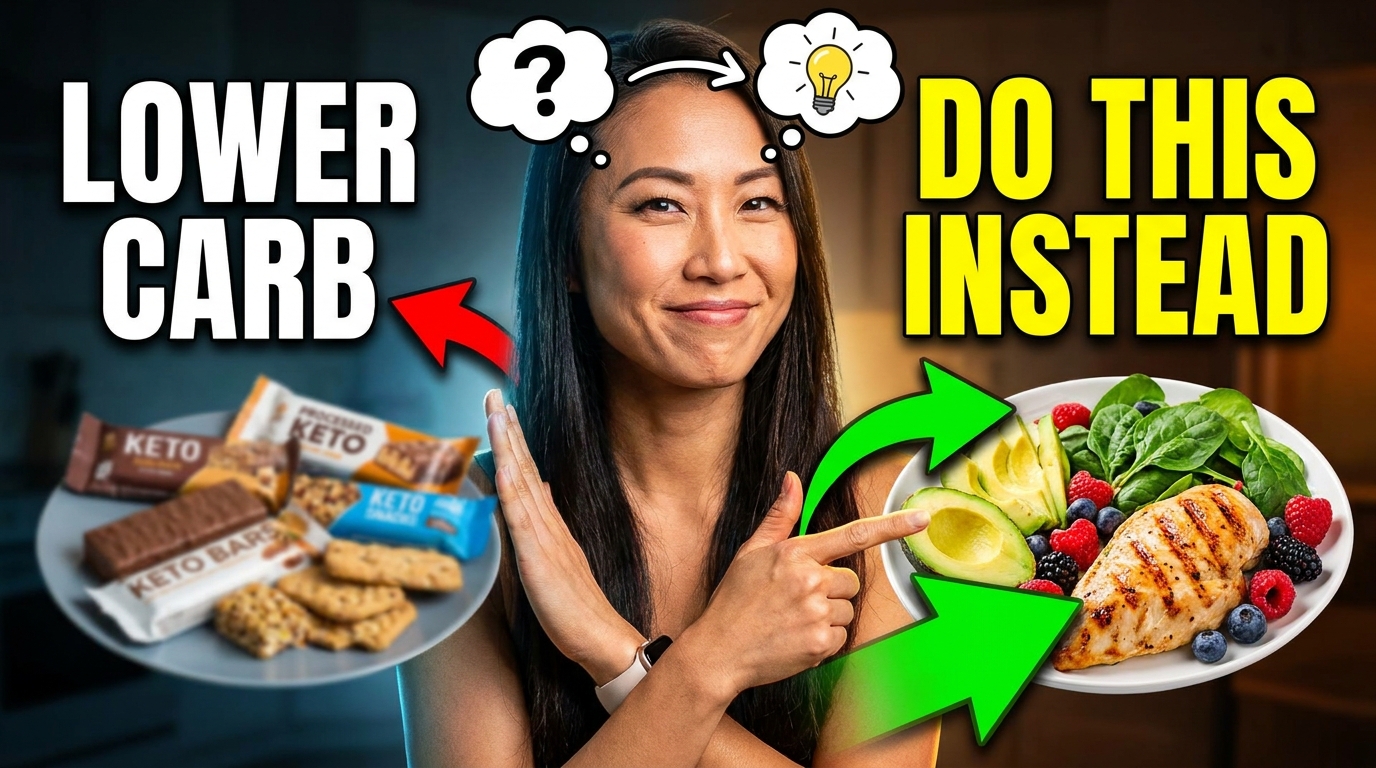
- The safest default for most people is “lower-carb, not no-carb”: shrink staples (rice/noodles), prioritise protein and veggies, and watch fibre, electrolytes, and blood lipids.
- Supplements are optional—especially “fat burners.” If you use any, treat them as supporting tools, not shortcuts, and read labels like you mean it.
Introduction
If you’ve ever told the auntie at the chicken rice stall “less rice” and then wondered, “Okay… is this basically keto now?”, you’re not alone. Keto-style eating gets talked about like it’s one clear, strict plan—either you’re “on keto” or you’re not. But real life in Singapore is messy (and delicious): rice at cai fan, noodles at bak chor mee, toast at kopitiam breakfast, and the occasional bubble tea “just this once.” So when people say they want to “go keto,” what they often really mean is:
I want to reduce carbs without feeling miserable, and I want to do it safely.
This guide covers keto diet basics in plain language—what keto is, how ketosis works, what benefits are realistic, what risks matter (especially if you’re thinking about cholesterol, diabetes risk, or fatty liver), and the most conservative ways to try lower-carb eating without going to extremes. And yes, we’ll also touch briefly on “fat burner” supplements—because you’ll definitely see them online—but with the right amount of skepticism and safety-first framing. ---
Keto diet basics: What “keto” means (and what it doesn’t)
Let’s clear up the biggest confusion first:
Definition: keto is very low-carb, higher-fat eating aimed at nutritional ketosis
A ketogenic diet is usually described as a very low-carbohydrate eating pattern that pushes your body toward making ketones and using them as a major fuel source (a state called nutritional ketosis
). That shift typically happens when carbs drop low enough—often below ~50 g/day, sometimes lower depending on the person. This is not the same thing as:
- “I’m eating less rice this week”
- “I’m avoiding sugar”
- “I’m doing portion control”
- “I’m eating more protein”
Those can all be smart changes, but they don’t automatically equal keto.
Typical macro ranges (and why the numbers can get confusing)
You’ll see keto macros described in different ways because there are different “styles” of ketogenic diets. A common popular version is something like:
- High fat
- Moderate protein
- Very low carb (often ~5–10% of calories)
But in clinical settings, you’ll also see versions with precise fat-to-protein+carb ratios (especially for epilepsy). For everyday weight management, what matters most is the practical lever: carbohydrate restriction.
Keto vs “lower-carb”: a spectrum (and why many people do better with moderate restriction)
Here’s the thing: you can get many of the practical benefits people want (better appetite control, less snacking, more stable energy) without going all the way to keto. Think of it like a dimmer switch, not an on/off button:
- Balanced: carbs included at most meals, but portions and quality matter
- Moderate low-carb: carbs reduced, protein + veg increased (often easier to sustain)
- Very low-carb / keto: carbs tightly limited to reach ketosis
If you’re eating mostly hawker food, juggling family meals, or you’re worried about LDL cholesterol, the “moderate low-carb” middle ground is often the safest starting point. ---
How ketosis works: the simple fuel switch (and why you might not need it)
If keto has a “main character,” it’s ketosis. But ketosis isn’t magic—it’s just a fuel shift.
From glucose to ketones: what changes when carbs drop
Normally, your body runs largely on glucose(from carbs) and stored carbohydrate (glycogen, mainly in liver and muscle). When carbs drop sharply: 1. You burn through circulating glucose. 2. You start using stored glycogen. 3. As glycogen runs low, your body increases fat breakdown. 4. Your liver makes ketone bodies from fatty acids. 5. Some tissues (including parts of the brain) can use ketones as an alternative fuel. That’s ketosis in a nutshell.
Why water weight often drops first (glycogen + fluid shifts)
Many people feel encouraged early on because the scale moves fast in week one. A lot of that is water. Stored glycogen binds water; when glycogen drops, you lose fluid. This is one reason people can feel lighter quickly—and also why some people feel a bit “off” (more on that later when we talk about electrolytes on keto).
What “being in ketosis” feels like—and why it’s not required for fat loss
Some people report:
- reduced appetite
- steadier energy
- fewer cravings
Others report:
- fatigue
- headaches
- constipation
- irritability (yes, it happens)
Importantly: fat loss still comes from a sustained calorie deficit over time, not from ketones themselves. Ketosis may help some people eat less without feeling hungry, but it’s not a requirement for body fat reduction. So if your real goal is weight loss or better glucose control, you can ask a more useful question than “Am I in ketosis?”:
“Can I stick to this way of eating while keeping my nutrition solid and my health markers moving in the right direction?”
Potential benefits: what seems supported (and what’s still uncertain)
Keto-style and lower-carb diets can be helpful in a few ways—just keep expectations realistic.
1) Weight loss (often early, sometimes not superior long-term)
Very low-carb diets can produce short-term weight loss, but long-term superiority over other calorie-controlled diets isn’t consistently proven. In many comparisons, differences shrink by 12 months when adherence and calories are similar. The boring truth is also the most useful: the “best” diet is often the one you can follow.
2) Blood sugar control (especially relevant for prediabetes / type 2 diabetes)
Reducing overall carbohydrate intake has strong evidence for improving glycaemia in people with diabetes or prediabetes. But if you’re on glucose-lowering medications, carb reduction can change your dose needs—sometimes quickly.
3) Hunger and cravings (the adherence advantage)
A higher-protein, lower-carb pattern can feel satisfying. For some, that makes it easier to avoid constant snacking, especially on ultra-processed carbs.
Who might not see benefits (or may feel worse)?
If your version of keto becomes:
- heavy on processed meats
- light on vegetables
- low in fibre
- high in saturated fat
- low in sleep and movement
…then it can backfire—digestive issues, poor lipid changes, low workout performance, and the kind of food fatigue that ends with a giant rebound. ---
Risks and side effects to know before you start (keto safety tips)
Keto isn’t automatically dangerous. But it is a bigger physiological change than most people expect—especially if you go from “rice every meal” to “almost no carbs” overnight.
The “keto flu”: fatigue, headache, nausea—why it happens
A classic early cluster of symptoms includes:
- headache
- fatigue
- nausea
- dizziness
- “brain fog”
- cramps
These are often linked to fluid and electrolyte shifts when carbs drop quickly (and you pee out more water and sodium). Many people can reduce symptoms by transitioning gradually and paying attention to hydration and electrolytes.
Conservative, practical fixes (not extreme hacks)
- Go gradual: reduce carbs stepwise instead of slashing to near-zero overnight
- Salt your food (unless you’ve been told to restrict sodium by your clinician)
- Hydrate consistently
- Don’t under-eat protein (more on that later)
- Sleep like it’s part of the plan (because it is)
Constipation and micronutrient gaps: where keto commonly goes wrong
This is the unsexy part of keto diet basics, but it matters. If keto pushes out:
- whole grains
- legumes
- many fruits
…and you don’t replace them with non-starchy vegetables, nuts, seeds, and other fibre sources, constipation becomes common. Micronutrients like potassium and magnesium can also get shaky if your food variety collapses. A simple rule that helps:
If your “low-carb day” has no vegetables, it’s not a low-carb day—it’s a low-nutrition day.
Cholesterol changes: LDL may rise in some people
Some people see improvements in triglycerides and HDL on lower-carb patterns. But
LDL cholesterol can rise in some individuals, especially when keto becomes a free-for-all of butter, fatty processed meats, and coconut-heavy choices. If you’re trying lower-carb because you’re worried about fatty liver or cardiometabolic risk, don’t ignore fat quality.
Heart-smarter keto-style fats tend to be:
- olive oil
- nuts and seeds
- avocado
- fatty fish
Foods to be more cautious with (especially if LDL is a concern):
- large amounts of butter, ghee, cream
- fatty cuts of processed meat
- “keto desserts” that are basically saturated fat + sweeteners
If you do try keto seriously, consider checking a lipid panel before and after (more on monitoring later).
Performance dips, sleep, and mood: adaptation varies
Some people adapt well; others feel their workouts fall apart for a while—especially high-intensity training. You might notice:
- heavier legs during runs
- less “pop” in HIIT
- irritability if carbs were a major comfort food (very normal, by the way)
This doesn’t mean you’re weak—it just means your body is adjusting fuel preference, and your total intake might be too low. ---
A safer Singapore-friendly way: start with “lower-carb, not no-carb” (plus optional supplements)
If you want something you can actually live with in Singapore, here’s my conservative recommendation:
Start with a lower-carb approach that still allows some staples—then decide later if you even need keto.
Step 1: Shrink the staple (rice/noodles/bread) before cutting it out
Instead of “no carbs,” try:
- half rice
- less noodles
- swap to smaller serving of carbs + more veg
- skip the sugar drink first (often the easiest win)
This is especially effective if your current pattern is: staple + staple (rice and sweet drink, noodles and snacks).
Step 2: Build the plate around protein + non-starchy veg
A practical target: protein at every meal, plus a real serving of vegetables. Singapore-friendly protein ideas:
- fish soup (watch the rice add-on)
- steamed chicken, roasted meats (watch sweet glazes)
- tofu, eggs, tempeh
- sashimi / grilled fish
- Greek yogurt (if it fits your tolerances)
Non-starchy veg options:
- cai xin, kailan, cabbage, spinach
- bean sprouts, cucumber, bittergourd
- mushrooms, seaweed (great for volume)
Step 3: Choose fats that support heart health (more unsaturated, less saturated)
If you’re reducing carbs, fat intake often rises by default. Make that increase intentional. Try:
- olive oil for salads / low-heat cooking
- nuts and seeds as toppings/snacks
- avocado when you can get it affordably
- fatty fish (sardines, salmon, mackerel)
And if you’re worried about cholesterol, consider monitoring LDL while you experiment. A practical, food-first way to support a heart-health direction is to include omega-3-rich fish more often. Some people also choose fish oil as a supplement; for example, Nano Singapore has an
Omega-3 Fish Oil formula that highlights EPA and DHA (the two omega-3s most often discussed for heart and triglyceride support). If you want to see how they present dosing and sourcing details, you can look at the product page for
Omega-3 Fish Oil Extreme and compare it to other brands you’re considering.
Step 4: Add fibre intentionally (because “low-carb” can quietly become “low-fibre”)
If you only remember one thing about keto safety tips, make it this:
Low-carb should not mean low-vegetable.
Easy fibre add-ons:
- chia seeds in yogurt
- ground flax in smoothies (if you do smoothies)
- nuts/seeds in salads
- extra veg sides (yes, even at hawker centres)
If you’re not doing strict keto, small portions of legumes may still fit for many people and can help fibre a lot.
Step 5: Go gradual to reduce keto-flu symptoms (hydration + electrolytes)
If you want to try a more aggressive carb reduction, consider a ramp-down:
- Week 1: remove sugar drinks + reduce staple portion
- Week 2: keep staples smaller, add more protein/veg
- Week 3: only then consider very low carb if still desired
This reduces the “hit by a truck” feeling some people get when they cut carbs abruptly. ---
Hawker-centre and kopitiam ordering: practical swaps that still taste like Singapore
You don’t need to eat like a fitness influencer to go lower-carb here. You need a few phrases and a little awareness of hidden carbs.
Rice/noodle strategies
- “less rice” or “half rice”
- “no noodles” / “no bee hoon”
- choose soup-based options more often (not always, but often)
Protein-forward picks (with watch-outs)
- fish soup (ask for more veg; consider skipping the rice)
- yong tau foo (skip noodles; pick veg/tofu/egg; be mindful with sauces)
- sliced fish / chicken dishes (watch breading and sweet sauces)
- cai fan: choose 1 protein + 2 veg, then decide if you want half rice
Hidden carbs to watch
- thick gravies (often starch-thickened)
- sweet marinades/glazes
- sweet chili sauce / ketchup-heavy sauces
- “healthy” drinks that are actually sugar bombs
Drinks: kopi/teh adjustments
- kopi/teh kosong is the simplest
- siew dai is a good stepping stone
- for bubble tea: reduce sugar level, skip toppings, keep it occasional
---
Keto vs moderate low-carb vs balanced calorie deficit: which is right for you?
This is where most people get stuck—so here’s a quick comparison to make the decision less emotional. After a short paragraph like this, I like using a simple table to “zoom out” and choose the approach that matches your health priorities and lifestyle.
| Approach | Typical carb target | Potential upsides | Best for / watch-outs |
|---|---|---|---|
| Approach | Typical carb target | Potential upsides | Best for / watch-outs |
| Ketogenic (very low-carb) | Often 20–50 g/day carbs | Appetite control for some; quick early scale drop (often water); structured rules can feel clear | Best for people who enjoy structure and can plan food. Watch-outs: “keto flu,” constipation, LDL increases in some; needs extra caution if on diabetes meds |
| Moderate low-carb (conservative) | Roughly 50–130 g/day carbs (varies) | Often easier to sustain with hawker food; can still improve glycaemia and reduce snacking; less risk of extreme restriction | Best for most Singaporeans who eat mixed cuisines. Watch-outs: progress can be slower; portion creep still matters |
| Balanced calorie deficit (flexible) | No set carb limit | Works well if protein and fibre are prioritised; fits social eating; easier micronutrient coverage | Best for people who hate restriction. Watch-outs: “liquid calories” and refined snacks can quietly block results |
| Supplement-led (“fat burner” first) | Not applicable | Minimal advantage without diet changes | Best for: honestly, almost no one as a first step. Watch-outs: stimulant side effects, interactions, inconsistent evidence; diet and habits still do the heavy lifting |
Use the table like a fit check, not a moral judgement. If you read it and feel relieved that you don’t have to do strict keto to make progress—that’s a good sign you’re choosing something sustainable. ---
How to try keto conservatively (if you still want to)
If you’re still curious about keto after trying moderate low-carb, do it like a cautious experiment:
A simple 2-week ramp-down
- Days 1–4: remove sugar drinks; reduce rice/noodles by ~⅓; add veg
- Days 5–10: reduce staples further; keep protein steady; add fats from unsaturated sources
- Days 11–14: only then attempt very low carb if you’re tolerating it (energy, digestion, mood)
What to track (real-world, not obsessive)
- energy and mood
- bowel habits (constipation is data)
- sleep
- cravings
- waist measurement or how clothes fit
Lab tests to consider (especially if you have risk factors)
- fasting lipids (LDL-C, triglycerides)
- HbA1c or fasting glucose if you’re concerned about glycaemia
And if you have diabetes (especially if using insulin or sulfonylureas), don’t do very low carb without clinician guidance—carb reduction can change medication needs and increase hypoglycaemia risk.
How to reintroduce carbs without rebound
Don’t treat “off keto” as “all the carbs.” Add back:
- fruit portions
- legumes
- whole grains in measured servings
…while keeping protein and veg strong. ---
What about “fat burner” supplements? (Optional, not necessary)
You’ll see “fat burners” marketed alongside keto plans, so let’s talk about it plainly:
You don’t need a fat burner to do keto—or to lose weight.
Evidence and safety vary wildly, and the biggest drivers are still food intake, protein, fibre, sleep, and movement. That said, some people are curious, so here’s a responsible framework.
Common risks to take seriously
Many weight-loss supplements contain stimulants (or stimulant-like compounds), and those can be associated with side effects like:
- higher heart rate
- increased blood pressure
- anxiety, jitteriness
- sleep disruption (which can increase hunger)
This is why “more” isn’t better—especially if you already drink kopi, take pre-workout, or have a stressful schedule.
A safety checklist (label reading that actually protects you)
If you’re going to buy supplements online, don’t just read the front label. Check: 1.
Active ingredients list
Avoid vague blends where you can’t see amounts. 2.
Stimulant load
If it contains caffeine, note the dose and don’t stack it with multiple caffeinated products. 3.
Drug interactions and contraindications
If you have cardiovascular risks, anxiety, insomnia, are pregnant/breastfeeding, or take medications—this matters. 4.
Quality signals
Look for transparent sourcing, clear dosing, and manufacturing quality standards (e.g., GMP).
Where Nano Singapore’s Keto Extreme fits (as an example, not a requirement)
Nano Singapore’s
Keto Extreme - 60ct is positioned as a keto/weight-management supplement and highlights ingredients like green tea, green coffee, garcinia cambogia, raspberry ketone, and caffeine. If you’re evaluating a product like this, the most important questions aren’t “Is it keto?” but:
- What’s the caffeine amount per serving (and can I tolerate it)?
- Do I have any health conditions or meds that make stimulants risky?
- Am I using this to avoid doing the food basics (protein, fibre, portions)?
In other words: supplements can be a nice-to-have for some people, but they shouldn’t be the foundation.
Better “ROI” upgrades than any fat burner
If you want changes that pay off faster than most supplement stacks:
- raise protein at meals
- add a vegetable serving
- take a 10-minute walk after meals (great for glucose response)
- sleep 30–60 minutes more consistently
They’re not glamorous, but they work. ---
Conclusion
Keto-style eating can be interesting—and for some people, genuinely helpful—but it’s also the most extreme end of low-carb. The safest way to approach it (especially with Singapore’s food culture) is usually lower-carb, not no-carb: shrink the staple, prioritise protein and vegetables, choose heart-smarter fats, and protect fibre and electrolytes so you don’t feel terrible two days in. If you have diabetes, high LDL, fatty liver concerns, or you’re on medications, treat very low-carb like a medical-level intervention: go gradual, monitor how you feel, and consider checking key labs. And if you’re browsing supplements, keep your expectations grounded—think of them as optional tools that might support consistency, not shortcuts that replace food choices. If you’d like to compare options and read labels carefully, you can always buy supplements online in a way that supports your overall plan—not distracts from it.
Frequently Asked Questions
FAQ 1
Can I do keto if I eat out most days in Singapore?
It’s possible, but strict keto is tough with hawker foods because sauces, marinades, and staples add hidden carbs. Many people do better with moderate low-carb: half rice/no noodles, more protein, and extra vegetables.
FAQ 2
Is cauliflower rice worth it?
If you like the taste and it helps you reduce rice portions without feeling deprived, it can be useful. But it’s not mandatory—“half rice + extra veg” often gets you most of the benefit with less fuss.
FAQ 3
Will keto damage my kidneys if I’m healthy?
In generally healthy people, keto isn’t automatically harmful to kidneys, but it can be risky if you already have kidney disease or other medical conditions. If you have any kidney issues (or you’re unsure), get medical advice before going very low carb.
FAQ 4
How much protein is too much on keto?
Keto is usually moderate protein, not unlimited. The right amount depends on body size, activity level, and goals. A practical starting point for many adults is to include a palm-sized portion at meals and adjust based on satiety, training, and lab markers (if relevant).
FAQ 5
Do I need ketone strips to “do keto correctly”?
Not necessarily. Ketone strips can be interesting data, but they don’t automatically predict fat loss. If your main goal is weight management or glucose control, your results (energy, appetite, measurements, and lab markers) are usually more useful than chasing a number on a strip.
References
- https://www.ncbi.nlm.nih.gov/books/NBK499830/
- https://www.health.harvard.edu/healthy-aging-and-longevity/should-you-try-the-keto-diet
- https://pmc.ncbi.nlm.nih.gov/articles/PMC7011201/
- https://ods.od.nih.gov/factsheets/WeightLoss-Consumer/
- https://jamanetwork.com/journals/jamainternalmedicine/article-abstract/409791
- https://pmc.ncbi.nlm.nih.gov/articles/PMC4428290/
- https://www.bmj.com/content/372/bmj.m4743
We at Nano Singapore Shop encourage you to consult a doctor before making any health or diet changes, especially any changes related to a specific diagnosis or condition.