

- Frequent nighttime urination in men over 40 often stems from an enlarged prostate, not bladder problems
- Natural compounds like Saw Palmetto (500mg), zinc, and lycopene can support healthy prostate function and reduce nighttime trips
- Simple lifestyle changes combined with targeted supplements deliver the best results for better sleep and urinary control
You're exhausted. For the third time tonight, you're stumbling to the bathroom. You're half-asleep and frustrated. Your partner's probably not thrilled either.
You've tried cutting back on water before bed. You've avoided that evening cup of tea. Nothing seems to work.
Here's the thing: if you're a man over 40, your bladder might not be the problem. Your prostate could be the real troublemaker. Understanding this connection might finally help you get a full night's sleep.
What's Really Happening Down There?
Your Prostate Is Growing (And That's Normal)
Most guys don't think about their prostate until it causes problems. This walnut-sized gland sits right below your bladder. It wraps around the urethra—the tube that carries urine out of your body.
As you age, your prostate grows larger. It's completely normal. Doctors call it benign prostatic hyperplasia (BPH).
The numbers tell the story:
- 50% of men in their 50s have BPH
- 90% of men in their 80s have it
How Your Prostate Affects Your Bladder
When your prostate enlarges, it squeezes the urethra. Think of it like someone stepping on a garden hose.
This creates several annoying symptoms:
- Feeling like you need to pee urgently
- Weak urine stream
- Frequent nighttime bathroom trips
- Feeling like your bladder isn't empty
Your bladder's actually working fine. It's just getting mixed signals because of the pressure from your prostate.
The frustrating part? Many men assume it's just part of getting older. They don't realize there are effective ways to manage it. You don't have to accept waking up three, four, or five times a night as your new normal.
The Science Behind Prostate Problems
Hormones Are the Hidden Culprit
Research shows that prostate enlargement links to hormonal changes. Specifically, your body converts testosterone to dihydrotestosterone (DHT). Higher DHT levels stimulate prostate tissue growth. This leads to that uncomfortable pressure on your bladder and urethra.
Natural Compounds That Help
Here's where it gets interesting. Certain natural compounds support healthy DHT levels and prostate function.
Saw Palmetto is the most well-researched option. Studies suggest it may help reduce nighttime urination frequency. It works by supporting normal prostate size and function.

Antioxidants play a crucial role too:
- Lycopene (found in tomatoes) protects prostate cells
- Selenium fights oxidative stress
- Vitamin E supports cellular health
Key minerals matter:
- Zinc is highly concentrated in prostate tissue
- It supports healthy hormone metabolism
- Vitamin D may improve prostate health outcomes
Simple Changes That Make a Real Difference
Adjust Your Diet
You don't need a complete lifestyle overhaul. Small, consistent changes work.
Foods to add:
- Tomatoes, watermelon, and pink grapefruit (rich in lycopene)
- Pumpkin seeds as a snack (zinc and beneficial fatty acids)
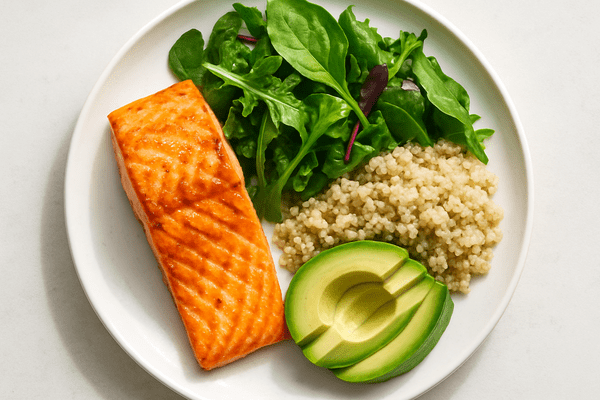
- Fatty fish like salmon twice a week (omega-3s)
- Green vegetables for overall health

Change Your Evening Routine
Timing matters:
- Stop drinking fluids 2-3 hours before bed
- Cut off caffeine by mid-afternoon
- Avoid alcohol in the evening (both irritate the bladder)
Bathroom habits:
- Empty your bladder completely before bed
- Take your time, don't rush
- Try "double voiding": pee, wait 30 seconds, then try again
Move Your Body
Exercise helps:
- Maintain a healthy weight (excess weight worsens BPH symptoms)
- Try pelvic floor exercises (they're not just for women)
- Avoid sitting for long periods
Regular movement reduces pressure on your prostate.
Consider Targeted Supplements
Many men find that nutritional support makes a noticeable difference. A comprehensive formula addresses multiple aspects of prostate health at once.
Look for products that include:
- Saw Palmetto (500mg)
- Zinc and selenium
- Vitamin D
- Lycopene
The Sunflower Lecithin Extreme can also support overall cellular health. This indirectly benefits prostate function.

Premium vs. Generic: What's the Difference?
| Feature | Nano Singapore (Premium) | Generic Competitors | The Result |
|---|---|---|---|
| Feature | Nano Singapore (Premium) | Generic Competitors | The Result |
| Ingredient Purity | GMP-certified facility with third-party testing; 500mg pharmaceutical-grade Saw Palmetto with verified potency | Standard extracts with inconsistent potency; minimal quality verification | Cleaner, more reliable formula with consistent results |
| Absorption Rate | Synergistic blend combining Saw Palmetto with pumpkin seed oil, lycopene, and minerals for enhanced absorption | Single-ingredient formulas or poorly combined nutrients | Better results with fewer capsules—ingredients work together |
| Award-Winning Formula | 10+ industry awards; internationally recognized for quality and innovation | Generic certifications or none; limited track record | Proven excellence and peace of mind |
| Value for Money | SGD 47.30 for 240 capsules (4-month supply); premium ingredients with superior bioavailability | Cheaper at SGD 20-30 but require multiple bottles for equivalent dosage | Better results per dollar—one formula replaces multiple products |
When Should You See a Doctor?
Lifestyle changes and supplements can be incredibly helpful. But don't ignore persistent symptoms.
See your doctor if you have:
- Blood in your urine
- Pain or burning during urination
- Complete inability to urinate
- Waking up more than three times per night consistently
- Symptoms that significantly impact your quality of life
Your doctor can rule out more serious conditions. They may recommend additional treatments if needed.
There's no shame in getting checked out. Prostate health is a normal part of men's wellness. It's just like heart health or joint health.

Take Control of Your Sleep Tonight
Truth is, most guys wait way too long before addressing these issues. They suffer through months or even years of disrupted sleep. They think it's just "getting old."
But you deserve better sleep. You deserve more energy. You deserve the confidence that comes with better bladder control.
Taking a proactive approach makes a real difference. Whether through diet, lifestyle changes, or targeted supplements—or all three combined—you can improve your daily life.
If you're looking for a convenient way to buy supplements online that support your needs, you'll find quality options. Look for men's health supplements backed by research and manufactured to high standards.
Your prostate health matters. Your sleep matters. And taking action today means better nights ahead.
FAQs
- How long does it take for Saw Palmetto to work? Most men notice improvements within 4-8 weeks of consistent use, though some see benefits sooner.
- Can younger men have prostate-related nighttime urination? Yes. While BPH typically affects men over 40, younger men can experience prostatitis (prostate inflammation) with similar symptoms.
- Is waking up once per night normal? Yes. Waking once per night is generally normal, especially as you age. Two or more times consistently may indicate an issue.
- Do prostate supplements interact with medications? Some can interact with blood thinners, blood pressure medications, and hormone therapies. Always consult your doctor first.
- Can diet alone improve prostate health? A healthy diet rich in lycopene, zinc, and omega-3s helps. However, many men find targeted supplements provide more concentrated support.
References
- National Institute of Diabetes and Digestive and Kidney Diseases. (2021). Prostate Enlargement (Benign Prostatic Hyperplasia). National Institutes of Health.
- Barry, M. J., et al. (2011). Effect of Increasing Doses of Saw Palmetto Extract on Lower Urinary Tract Symptoms: A Randomized Trial. Journal of the American Medical Association.
- Kristal, A. R., et al. (2010). Plasma Vitamin D and Prostate Cancer Risk: Results from the Selenium and Vitamin E Cancer Prevention Trial. Cancer Epidemiology, Biomarkers & Prevention.
- Giovannucci, E., et al. (2002). A Prospective Study of Tomato Products, Lycopene, and Prostate Cancer Risk. Journal of the National Cancer Institute.
- Urology Care Foundation. (2023). What is Benign Prostatic Hyperplasia (BPH)? American Urological Association.