- Your body switches from burning glucose to burning fat for fuel when you drastically reduce carbs, entering a metabolic state called ketosis
- Ketosis produces ketones—molecules that provide clean energy for your brain and body, often leading to improved mental clarity and sustained energy levels
- The transition to ketosis (known as "keto flu") typically lasts 3-7 days as your body adapts to using fat as its primary fuel source
You've probably heard friends rave about the keto diet—how they've lost weight, feel more energized, and can't stop talking about "being in ketosis." But what does that actually mean? What's really happening inside your body when you cut carbs and load up on fats? Let's break down the science of ketosis in a way that actually makes sense (without needing a biology degree). Whether you're keto-curious or already counting your macros, understanding what's going on under the hood can help you make smarter choices about your health.
How Your Body Normally Gets Energy
Here's the thing: your body is basically a very sophisticated engine that needs fuel to run. Under normal circumstances, that fuel comes from glucose—the sugar your body breaks down from carbohydrates. When you eat bread, pasta, rice, or even fruit, your digestive system converts those carbs into glucose, which then enters your bloodstream.
Your pancreas responds by releasing insulin, a hormone that helps shuttle that glucose into your cells where it's used for energy. Any excess glucose gets stored in your liver and muscles as glycogen (think of it as your body's short-term savings account). When those storage spots are full, the leftover glucose gets converted to fat and stored for later use.
This glucose-burning system works fine, but it's not the only way your body can generate energy. And that's where ketosis comes in.
The Metabolic Switch: Entering Ketosis
When you drastically reduce your carb intake (typically to under 50 grams per day, though some people need to go even lower), something fascinating happens. Your body runs through its glycogen stores within about 24-48 hours. Once that glucose tank is empty, your body needs to find another fuel source—and fast.
That's when your liver starts breaking down fat into molecules called ketones (specifically beta-hydroxybutyrate, acetoacetate, and acetone). This process is called ketogenesis, and it's your body's backup power system. These ketones enter your bloodstream and travel to your cells, where they're used for energy instead of glucose.
This metabolic state—where your body primarily burns fat and produces ketones for fuel—is ketosis. It's not starvation (though fasting can trigger it); it's simply your body adapting to a different fuel source.


What Happens During the Transition (The "Keto Flu")
Let's be honest: the first few days of going keto can feel rough. As your body switches from glucose to ketones, you might experience what's commonly called the "keto flu." Symptoms can include:
- Fatigue and brain fog
- Headaches
- Irritability
- Nausea
- Difficulty sleeping
- Muscle cramps
Don't worry—this isn't actually the flu, and it's temporary. These symptoms happen because your body is adjusting to a new fuel source, and you're also losing water and electrolytes as your glycogen stores deplete (glycogen holds onto water, so when it's gone, that water goes too).
Most people start feeling better within 3-7 days as their bodies become "fat-adapted." During this transition, staying hydrated and maintaining adequate electrolyte intake (sodium, potassium, magnesium) is crucial.
The Benefits: Why People Love Ketosis
Once you're fully in ketosis, many people report some pretty impressive benefits:
Sustained Energy: Unlike the blood sugar rollercoaster you get from carbs, ketones provide steady, consistent energy throughout the day. No more 3 PM crashes.
Mental Clarity: Your brain actually loves ketones. Many people experience improved focus, concentration, and cognitive function. There's a reason why MCT Oil Extreme is marketed for mental performance—those medium-chain triglycerides convert quickly into brain fuel.
Appetite Control: Fat and protein are more satiating than carbs, and ketones themselves may help suppress appetite. You might find yourself naturally eating less without feeling deprived.

Stable Blood Sugar: Without the constant influx of carbs, your blood sugar and insulin levels remain more stable, which can be particularly beneficial for people with insulin resistance or type 2 diabetes.
| Feature | Keto Diet with Quality Supplements | Standard High-Carb Diet | The Result |
|---|---|---|---|
| Feature | Keto Diet with Quality Supplements | Standard High-Carb Diet | The Result |
| Energy Source | Fat-derived ketones provide steady, sustained energy; MCT oil rapidly converts to ketones for immediate fuel | Glucose from carbs causes energy spikes and crashes throughout the day | More consistent energy levels, no afternoon slumps, better endurance |
| Mental Clarity | Ketones are a premium brain fuel; MCT Oil Extreme with C8 and C10 supports cognitive function and focus | Blood sugar fluctuations can cause brain fog and difficulty concentrating | Enhanced mental performance, sharper focus, improved productivity |
| Appetite Control | High fat and protein intake increases satiety; ketones naturally suppress hunger hormones | High-carb meals trigger insulin spikes that can increase hunger and cravings | Reduced cravings, easier portion control, less frequent eating |
| Fat Metabolism | Body becomes efficient at burning stored fat for fuel; supplements like Lean Body Formula support this process | Body primarily stores excess carbs as fat rather than burning fat stores | More effective fat loss, improved body composition, better metabolic health |
Supporting Your Keto Journey
While the keto diet itself is powerful, certain supplements can make the transition smoother and enhance your results. Beyond MCT oil, consider:
Brain and Metabolic Support: Sunflower Lecithin Extreme provides 2,400 mg of phosphatidylcholine, which supports brain function and lipid metabolism—both crucial when you're running on ketones. The added Omega-3 fish oil and Vitamin E help protect cells and support overall vitality during your metabolic shift.

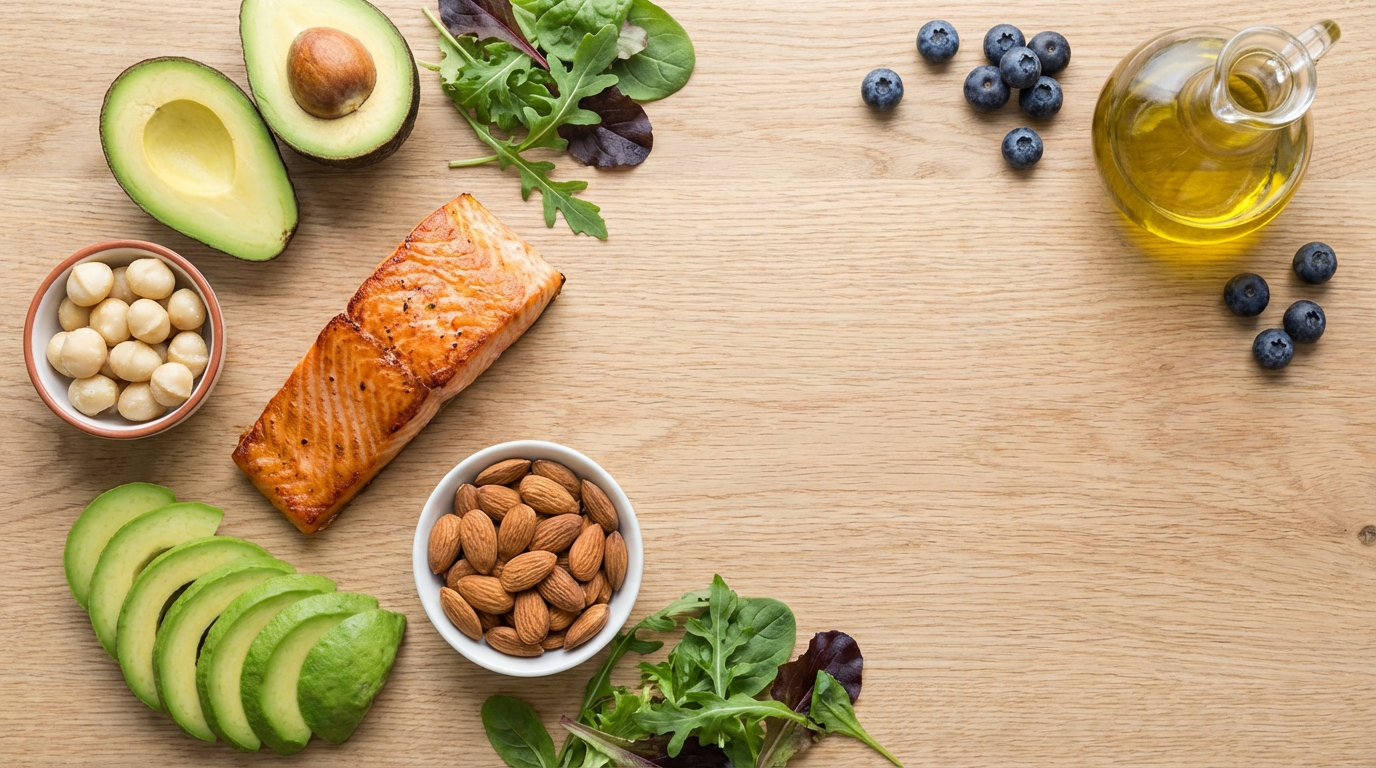
Whole Foods First: Remember, supplements are meant to complement—not replace—a well-formulated keto diet. Focus on quality fats (avocados, olive oil, nuts), adequate protein, and low-carb vegetables.
Hydration and Electrolytes: Drink plenty of water and don't skimp on salt. Your kidneys excrete more sodium in ketosis, so you actually need more than usual.

Is Ketosis Right for You?
Ketosis isn't magic, and it's not for everyone. Some people thrive on keto, while others feel better with moderate carbs. Athletes doing high-intensity training might find their performance suffers initially (though some adapt well over time). Pregnant or breastfeeding women, people with certain medical conditions, and anyone on medication should definitely consult their doctor before making major dietary changes.
The beauty of understanding ketosis is that you can make informed decisions about whether it fits your lifestyle and goals. You don't have to commit forever—some people cycle in and out of ketosis, while others make it a long-term way of eating.
If you're ready to explore ketosis, start by gradually reducing carbs rather than going cold turkey. Track how you feel, stay patient during the adaptation phase, and listen to your body. Whether you're looking to buy supplements online to support your journey or simply want to understand the science better, knowledge is power when it comes to your health. For those interested in weight management supplements or metabolic support products, there are quality options available to complement your keto lifestyle.
FAQs
- How long does it take to enter ketosis? Most people enter ketosis within 2-4 days of restricting carbs to under 50 grams daily, though it can take up to a week depending on individual metabolism and activity levels.
- Can I test if I'm in ketosis? Yes, you can use urine strips, blood ketone meters, or breath analyzers to measure ketone levels, with blood testing being the most accurate method.
- Will I lose muscle on a keto diet? Not if you eat adequate protein (0.8-1.2g per pound of lean body mass) and engage in resistance training; ketosis is actually muscle-sparing when done correctly.
- Can I exercise while in ketosis? Absolutely, though high-intensity performance may temporarily decrease during the adaptation phase; once fat-adapted, many athletes report excellent endurance and recovery.
- What happens if I eat carbs while in ketosis? A single high-carb meal will kick you out of ketosis temporarily, and it may take 1-3 days to get back in; occasional carb cycling is fine if it fits your goals.
References
- Paoli, A., et al. (2013). Beyond weight loss: a review of the therapeutic uses of very-low-carbohydrate (ketogenic) diets. European Journal of Clinical Nutrition.
- The Ketogenic Diet: clinical applications, evidence-based indications, and implementation. (2025, January 1). PubMed.
- Phinney, S. D., et al. (1983). The human metabolic response to chronic ketosis without caloric restriction. Metabolism: Clinical and Experimental.
- Burke, L. M., Ross, M. L., Garvican‐Lewis, L. A., Welvaert, M., Heikura, I. A., Forbes, S. G., Mirtschin, J. G., Cato, L. E., Strobel, N., Sharma, A. P., & Hawley, J. A. (2016). Low carbohydrate, high fat diet impairs exercise economy and negates the performance benefit from intensified training in elite race walkers. The Journal of Physiology, 595(9), 2785–2807.
- Newman, J. C., & Verdin, E. (2017). β-Hydroxybutyrate: A Signaling Metabolite. Annual Review of Nutrition.