
- Evening primrose oil contains GLA that helps balance hormones and reduce PMS symptoms like mood swings, bloating, and breast tenderness
- Omega-3 fatty acids fight inflammation and reduce prostaglandins, which can significantly decrease period cramp intensity
- B vitamins (especially B6) support neurotransmitter production and help stabilize mood during hormonal fluctuations
You know that feeling when your period's about to start and suddenly everything feels... off? Your jeans don't fit quite right, you're craving chocolate at 3 PM, and the smallest thing can make you want to cry or snap at someone. And then the cramps hit—those deep, achy waves that make you want to curl up in bed with a heating pad.
If you're nodding along, you're definitely not alone. Most women deal with some level of PMS symptoms, and honestly? It can be exhausting. But here's the thing—while periods are natural, suffering through them doesn't have to be. The right supplements can actually make a real difference in how you feel during that time of the month.
Why Do Period Cramps and Mood Swings Happen?
Before we jump into solutions, it helps to understand what's going on in your body. Period cramps happen because your uterus contracts to shed its lining. These contractions are triggered by hormone-like substances called prostaglandins—and the higher your prostaglandin levels, the more intense your cramps tend to be.
As for mood swings? That's your hormones doing their monthly dance. Estrogen and progesterone levels fluctuate throughout your cycle, and these shifts can affect serotonin (your "feel-good" neurotransmitter). Lower serotonin levels can leave you feeling irritable, anxious, or just plain blue.
The good news is that certain nutrients can help balance these hormonal fluctuations and reduce inflammation.
Evening Primrose Oil: Your Hormonal Balance Ally
Let's start with one of the most well-researched options for menstrual symptoms: evening primrose oil. This supplement contains gamma-linolenic acid (GLA)—an omega-6 fatty acid that your body converts into anti-inflammatory compounds.

- Bloating and water retention during PMS
- Breast tenderness that makes wearing a bra uncomfortable
- Unpredictable mood swings and irritability
- Hormonal balance throughout your cycle
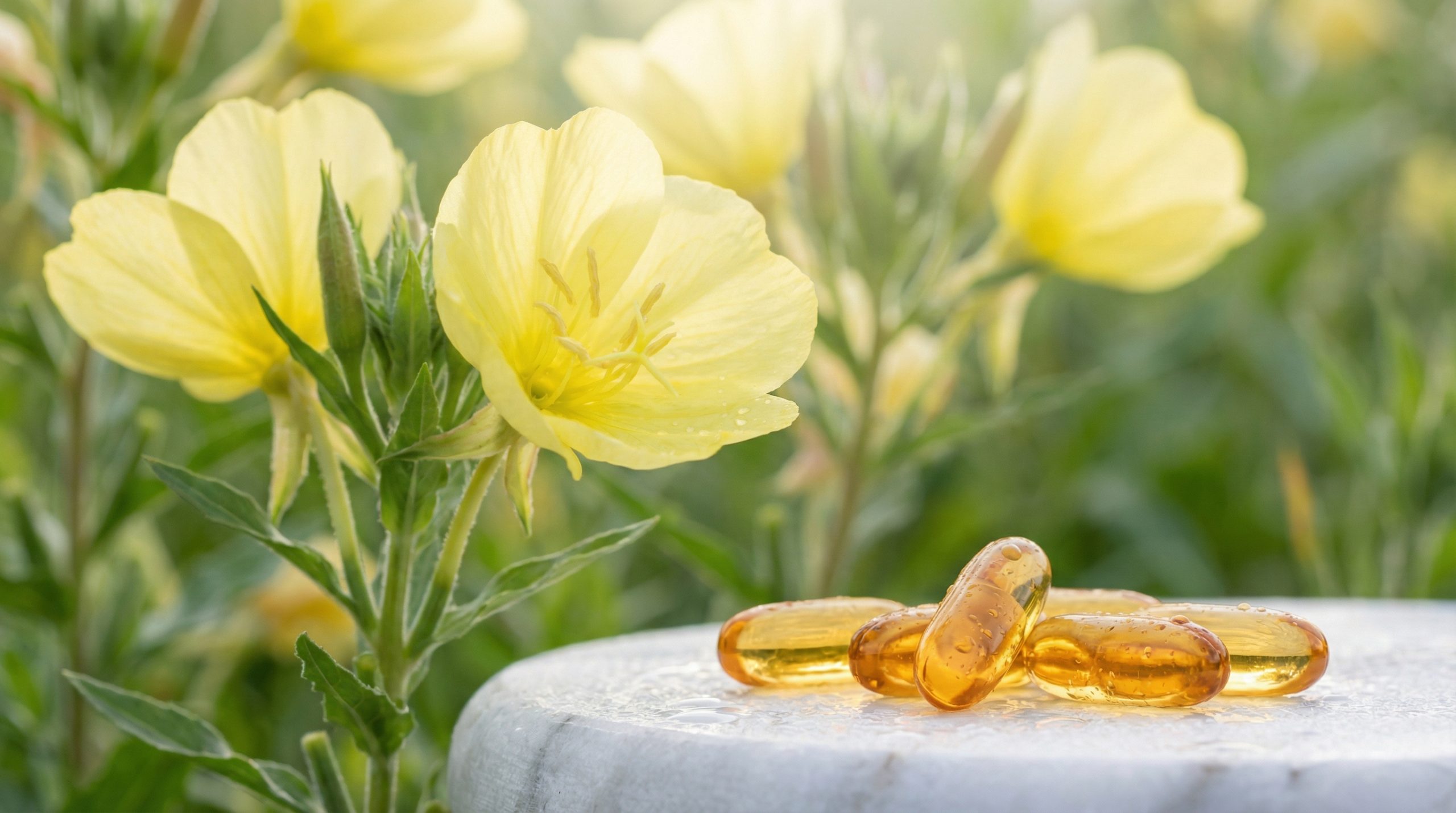
What's nice about Nano Singapore's version is that it comes in mini soft gels (easier to swallow) and packs 1000mg per serving with added vitamin E for extra antioxidant support.
The research on evening primrose oil is pretty encouraging. Some studies suggest it can help reduce PMS symptoms by supporting hormonal balance. It typically takes a few cycles to notice the full benefits, so consistency is key.
Omega-3s: Fighting Inflammation from the Inside
Here's something you might not know: omega-3 fatty acids can actually help reduce period pain. How? They work against those prostaglandins we mentioned earlier—the ones that cause your uterus to contract painfully.

Benefits for menstrual health:
- Reduces inflammation that triggers cramps
- Helps regulate prostaglandin production
- Supports brain health and mood regulation
- May decrease the intensity of period pain
Some folks swear by taking fish oil regularly throughout the month to keep inflammation levels in check, which can translate to milder cramps when your period arrives. Plus, omega-3s support brain health and mood regulation—which means they might help with those emotional ups and downs too.
B Vitamins and Comprehensive Nutritional Support
Truth is, when you're dealing with PMS, your body needs a solid nutritional foundation. B vitamins—especially B6—play a crucial role in neurotransmitter production, which affects your mood. Vitamin B6 has been studied for its potential to reduce PMS symptoms, including irritability and depression.
Rather than taking individual supplements, you might want to look into a comprehensive women's multivitamin. Vitality Formula Women's Multivitamin includes:

- B-vitamins for energy production and stress management
- Calcium and vitamin D for bone health and muscle function
- Vitamin C and zinc for immune support
- 42 fruits and vegetables for comprehensive nutritional coverage
- Biotin for healthy hair, skin, and nails
Think of it as your daily nutritional safety net—especially helpful during your period when your body's working harder and you might not be eating as well as usual.
Other Lifestyle Tips That Actually Help
Supplements work best when they're part of a bigger picture. Here are some simple changes that can make your period more bearable:
- Stay hydrated – Drink plenty of water to reduce bloating and headaches
- Move your body – Even light walking or gentle yoga can boost endorphins
- Use heat therapy – A heating pad or hot water bottle relaxes cramping muscles
- Watch your diet – Limit caffeine, alcohol, and super salty foods before your period
- Get enough sleep – Rest helps your body manage hormonal changes better

Finding What Works for You
Listen, every woman's body is different. What works amazingly for your best friend might not do much for you, and that's totally normal. It might take some trial and error to find the right combination of supplements and lifestyle changes that make your periods more manageable.
If you're dealing with severe cramps that interfere with your daily life, or if your mood swings feel overwhelming, it's worth talking to a healthcare provider. But for many women, the right nutritional support can make a noticeable difference.
Ready to Feel Better During Your Period?
You don't have to just "tough it out" every month. With the right approach—combining quality supplements with healthy lifestyle habits—you can take control of your menstrual symptoms and feel more like yourself, even during that time of the month.
If you're ready to explore natural solutions for period discomfort, you can buy supplements online and have them delivered right to your door. Start with one or two supplements that address your most bothersome symptoms, give them a few cycles to work, and pay attention to how your body responds.
FAQs
- How long does it take for supplements to help with period symptoms? Most supplements need at least 2-3 menstrual cycles to show noticeable effects. Evening primrose oil and omega-3s work by gradually reducing inflammation and balancing hormones, so consistency is important. Don't expect overnight results—give your body time to adjust.
- Can I take evening primrose oil and omega-3 together? Yes, these supplements can be taken together and may actually complement each other. Evening primrose oil provides omega-6 GLA while fish oil provides omega-3s, both supporting different aspects of hormonal balance and inflammation control. Just follow the recommended dosages on each product.
- When should I start taking supplements for PMS? You can take these supplements daily throughout your entire cycle for best results. They work by building up in your system and providing ongoing support rather than just treating symptoms when they appear. Consistent daily use is more effective than only taking them during your period.
- Are there any side effects I should know about? These supplements are generally well-tolerated, but some people may experience mild digestive upset when first starting. Taking them with food can help. Fish oil may cause fishy burps (though quality supplements minimize this). If you're on blood thinners or have a bleeding disorder, consult your doctor before taking omega-3s or evening primrose oil.
- What if supplements don't help my symptoms? A: If you've tried supplements consistently for 3-4 cycles without improvement, or if your symptoms are severe, see a healthcare provider. Conditions like endometriosis, PMDD, or hormonal imbalances may need medical treatment. Supplements are supportive, not a replacement for medical care when needed.
References
- Evening Primrose: Overview, uses, side effects, precautions, interactions, dosing and reviews. (n.d.).
- Fish oil: overview, uses, side effects, precautions, interactions, dosing and reviews. (n.d.).
- Premenstrual Syndrome (PMS). (n.d.). ACOG.
- Herbs, vitamins and minerals in the treatment of premenstrual syndrome: a systematic review. (n.d.). PubMed.
- Zafari, M., Behmanesh, F., & Mohammadi, A. A. (n.d.). Comparison of the effect of fish oil and ibuprofen on treatment of severe pain in primary dysmenorrhea.